Teen skin is busy. Hormones are shifting, schedules are packed, and emotions run high. That natural whirlwind can show up on the face as oiliness, breakouts, dull patches, or sensitivity. The good news is that skin often responds well to simple daily choices. You do not need an expensive routine or harsh products to feel confident. With a friendly focus on food, sleep, and stress, you can support clearer, calmer skin while building habits that will help for years.
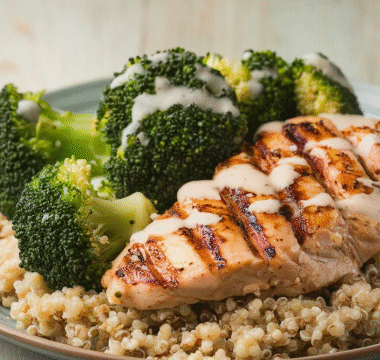
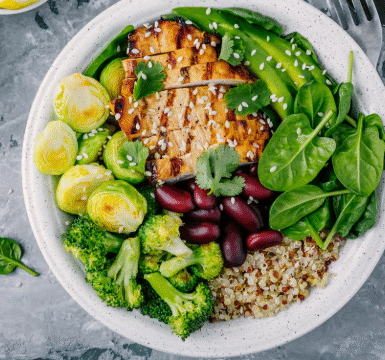
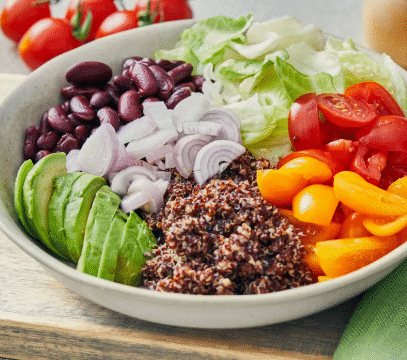
Let’s start with food, because what you eat becomes the raw material your skin uses to renew itself. Balanced meals make a noticeable difference. A plate that includes protein, some kind of fiber-rich carbohydrate, and healthy fats helps blood sugar rise and fall steadily, which can be kinder to acne-prone skin. Protein gives skin the building blocks for repair. Think of eggs at breakfast, tofu in a stir-fry, chicken in a wrap, beans in chili, or Greek yogurt after practice. Fiber from vegetables, fruit, oats, brown rice, or whole-grain bread keeps you full, feeds helpful gut bacteria, and helps manage cravings. Healthy fats from avocado, olive oil, nuts, seeds, and fish support the skin barrier so it can hold moisture better and feel less irritated.
Hydration is part of the food story too. When you are under-hydrated, the body prioritizes essential organs first, and skin can look a little depleted. A refillable water bottle you actually like using is a powerful accessory. If water gets boring, try chilled herbal tea, slices of citrus or cucumber, or diluted fruit juice. Smoothies can be skin-friendly when they include protein and fiber. A blend with frozen berries, spinach, yogurt or a dairy-free alternative, and a spoon of nut butter is a quick, balanced option before school.
Sugar and ultra-processed snack foods are easy to reach for when you are short on time, but they can lead to quick blood sugar spikes that sometimes intensify oiliness and breakouts for some people. You do not need to cut anything out completely. It helps to pair sweeter treats with protein or fiber, like a cookie with a handful of nuts or a piece of fruit with yogurt. Notice how your skin feels after different snacks and build your personal playbook. Every body is different, and paying attention to your own patterns is a smart skill.
Dairy can be a question mark for some teens. Research is mixed, and not everyone reacts the same way. If you suspect a connection between certain dairy products and your breakouts, try a short, gentle experiment rather than a strict rule. Swap a daily glass of milk for a fortified dairy-free alternative for a couple of weeks while keeping everything else consistent, and see if your skin changes. Keep calcium and vitamin D in mind, since they are important for bones. Yogurt with live cultures may be better tolerated by some, and kefir or fermented foods like kimchi can support a healthy gut, which often reflects on the skin.
Now let’s talk about sleep, the quiet superpower for teen skin. During deep sleep, your body resets hormones, repairs cells, and strengthens the skin barrier. Short nights or irregular bedtimes can throw that rhythm off, and the result may show up as more redness, slower healing, or a dull tone. Aim for a regular sleep window as best you can, even with homework and activities. A short wind-down routine helps your brain switch gears. Try dimming your room, putting your phone on night mode or across the room, and doing something low-stress like stretching, journaling, or reading a few pages. Even ten to fifteen minutes makes a difference. Keep naps earlier in the day if you need them so they do not push your bedtime too late.
Screens deserve a special mention. Scrolling right up until lights out keeps the brain alert and delays the sleepy hormones you want to kick in. If it feels impossible to power down, move the last bit of scrolling earlier and replace the final fifteen minutes with music, a podcast, or a paper book. Gentle consistency matters more than perfection; your skin loves a steady routine.
Stress is part of life, especially with tests, sports, friendships, and plans for the future. When stress runs high, the body releases hormones that can ramp up oil production and make skin more reactive. You cannot avoid stress completely, but you can steer it. Movement is one of the easiest tools. A walk after dinner, a few sets of jumping jacks, dance practice, or stretches on the floor all help shift your nervous system into a calmer state. Breathing exercises are another portable tool. Try inhaling through your nose for four counts, holding for four, exhaling for six, and pausing for two. Repeat a few rounds between classes or before a presentation to take the edge off. It is simple, free, and no one even has to notice.
Your daily schedule can also protect your skin. Skipping meals can make energy crash and cravings spike, which is stressful for the body. If mornings are rushed, prepare something the night before. Overnight oats, a hard-boiled egg with fruit, or a peanut butter and banana sandwich travel well and prevent the mid-morning snack attack. After school, a balanced snack keeps you from arriving at dinner overly hungry. Try hummus with pita and veggies, yogurt with granola, or a turkey and cheese roll-up with apple slices. These small choices smooth out energy and give your skin steady support.
A simple skincare routine ties everything together. Teen skin often does best with gentle steps rather than scrubs and strong actives. A mild cleanser, a basic moisturizer that suits your skin type, and daily sunscreen create a reliable foundation. If breakouts bother you, a spot treatment with salicylic acid or benzoyl peroxide can help, but start slow to avoid irritation. More is not better; consistency is better. Wash your face after sweating, pat dry with a clean towel, and resist the urge to pick, which can lead to marks that take longer to fade.
Think of weekends as a reset for skin and mind. Extra sleep, a breakfast you enjoy, time outside, and a little planning for the week ahead make Mondays feel easier. Choose a couple of meals or snacks you can prep in minutes, like roasted potatoes and chicken thighs for quick bowls, or a big batch of fruit salad ready in the fridge. When nutritious choices are already waiting, it is much easier to grab them, and your skin benefits from the steady routine.
If you are dealing with persistent or painful acne, eczema, or sudden changes in your skin, reach out to a healthcare professional or a dermatologist. They can offer personalized guidance and, if needed, treatments that fit your life. Asking for help is a smart move, not a failure, and good care can save you time and frustration.
Here is a quick way to remember the essentials. Feed your skin with color, crunch, and protein most of the time, and enjoy treats with balance. Guard your sleep like it is your secret skincare step, because it is. Spend a few minutes each day moving your body and breathing on purpose to help stress move through rather than settle in. Keep skincare gentle and consistent, and plan small supports like water within reach and a snack in your bag.
Teen years are full of change, and your skin will change too. That does not mean you are doing anything wrong. By focusing on the basics of food, sleep, and stress, you give your skin the stability it craves while you go after everything else you care about. Keep it simple, stay kind to yourself, and let your everyday habits do the glowing for you.
This article is for general information and is not a substitute for professional medical advice. If you have concerns about your skin or health, talk with a qualified healthcare provider.