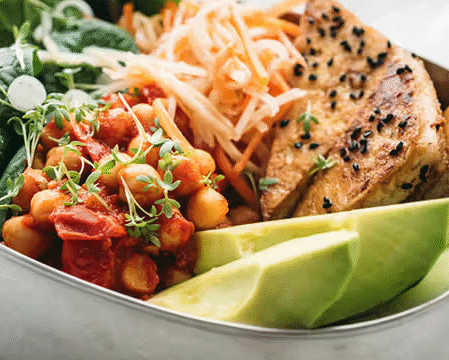
When it comes to work lunches, finding something that’s both satisfying and nutritious can be a bit of a challenge. You want a meal that fuels your afternoon productivity without weighing you down or leaving you hungry before the end of the day. High-protein salads that come in under 400 calories strike that perfect balance. They offer a refreshing way to pack in essential nutrients, keep hunger at bay, and keep you feeling energized through meetings, emails, or whatever your workday demands.
Protein plays an important role in maintaining muscle, supporting metabolism, and helping you feel full longer. Including it in your lunch, especially through salads, can be a game changer. The best part is that with the right ingredients, these salads can be colorful, flavorful, and easy to prepare. They also tend to be light, making them perfect for a quick break during a busy day.
One of the keys to building a high-protein salad under 400 calories is choosing lean protein sources. Grilled chicken breast is a classic choice. A 3-ounce portion of chicken breast provides about 25 to 30 grams of protein and is relatively low in calories. Combine this with a generous bed of leafy greens such as spinach, arugula, or mixed spring greens, and you have a nutritious base full of vitamins and minerals. Toss in some sliced cucumbers, cherry tomatoes, and shredded carrots to add crunch and flavor without adding many calories.
Adding a small handful of chickpeas or black beans is another smart way to boost the protein content while also adding fiber. Beans are fantastic plant-based protein sources, typically delivering about 7 to 9 grams of protein per half-cup serving. When combined with the chicken and vegetables, they round out the salad and help keep you full for longer stretches.
Tuna is an excellent option for a high-protein salad that is both quick and satisfying. A 3-ounce can of tuna packed in water contains around 20 grams of protein and just about 100 calories. Flake the tuna over a salad with chopped romaine lettuce, diced bell peppers, and thinly sliced red onions. A light drizzle of olive oil and lemon juice makes a simple and tasty dressing that won’t tip the calorie count. This kind of salad feels fresh and bright but also provides a solid protein boost.
For vegetarians or those wanting to reduce meat intake, hard-boiled eggs are an easy and filling addition. Each large egg offers roughly 6 grams of protein and about 70 calories. Two eggs can easily fit into your salad, along with crunchy vegetables like celery, radishes, or snap peas. Eggs add richness and a bit of creaminess to the salad, especially when paired with a tangy mustard or yogurt-based dressing. This combination keeps calories in check while making sure you have enough protein to carry you through the afternoon.
Tofu is another versatile protein that works wonderfully in salads. Firm tofu, cubed and lightly sautéed or baked, brings about 10 grams of protein per half-cup serving. It has a mild flavor that picks up spices and dressings well, allowing you to customize your salad to your tastes. Try combining tofu with shredded cabbage, grated carrots, green onions, and a splash of soy sauce or sesame dressing for an Asian-inspired lunch option that’s both satisfying and under 400 calories.
Greek yogurt-based dressings are a fantastic way to add protein while keeping calories low. Plain Greek yogurt has about 10 grams of protein per 100-gram serving and adds creaminess without the fat and calories found in many traditional dressings. Mix it with lemon juice, fresh herbs like dill or parsley, a touch of garlic, and a little olive oil to create a refreshing dressing. This not only boosts the protein content of your salad but also keeps it light and flavorful.
Quinoa, often called a supergrain, is a complete protein and a great base or topping for salads. One cup of cooked quinoa contains about 8 grams of protein and is packed with fiber and essential minerals. Combine quinoa with diced cucumbers, cherry tomatoes, and fresh parsley, then top with a small portion of grilled shrimp or chicken to keep the salad filling and protein-rich. Quinoa’s slightly nutty flavor and fluffy texture give salads an interesting twist and help keep you satisfied longer.
Edamame, or young soybeans, are a delicious and protein-packed addition to salads. Half a cup of shelled edamame delivers about 9 grams of protein and a nice dose of fiber. Toss edamame into a salad with kale or spinach, shredded beets, and a tangy vinaigrette. Edamame’s mild, slightly sweet flavor pairs well with citrus or ginger-based dressings and can easily be added to pre-made salad mixes for a quick lunch fix.
When it comes to salad dressings, it’s important to be mindful of portions. While dressings add flavor and moisture, they can also quickly add calories. Opt for homemade dressings made from healthy fats like olive oil combined with acid from vinegar or citrus. This keeps the calorie count low but helps the flavors shine. Using fresh herbs and spices can elevate the taste without relying on salt or sugar.
Preparing high-protein salads ahead of time can save valuable minutes on busy mornings. Use airtight containers to layer ingredients, starting with the dressing at the bottom, followed by harder vegetables, proteins, and leafy greens on top. When lunchtime arrives, just shake the container or toss the salad in a bowl, and you’re ready to enjoy. This method helps keep ingredients fresh and prevents leafy greens from getting soggy.
For added variety and texture, consider adding a small handful of nuts or seeds like almonds, sunflower seeds, or pumpkin seeds. They bring a satisfying crunch, healthy fats, and a bit more protein, usually around 3 to 5 grams per tablespoon. Just be sure to keep portions moderate so you don’t exceed your calorie goal.
One of the great things about high-protein salads is how adaptable they are to seasonal produce. In the summer, fresh tomatoes, cucumbers, and fresh herbs take center stage. During cooler months, roasted vegetables like sweet potatoes, Brussels sprouts, or beets add warmth and heartiness. Both approaches allow you to keep meals interesting and packed with nutrients without sacrificing protein or calorie limits.
Eating a balanced, protein-rich lunch at work can help you avoid the mid-afternoon slump that so often comes after heavy, carb-loaded meals. Protein takes longer to digest, which means it helps stabilize blood sugar levels and keeps hunger at bay. This can improve concentration, mood, and overall productivity, making your workday smoother and more enjoyable.
Finally, don’t forget to drink water with your meal. Staying hydrated supports digestion and overall energy levels. Herbal teas or infused water with lemon or cucumber slices are great non-caloric options that complement a light, healthy lunch.
Incorporating high-protein salads under 400 calories into your work lunch routine doesn’t have to feel like a chore. With a little planning and creativity, you can enjoy delicious, satisfying meals that support your health goals and keep you energized. Whether you’re cooking at home or packing ahead, these salads offer a fresh, flavorful way to power through your workday without compromise.