Living with psoriasis can feel like your skin is holding a conversation with your lifestyle. While no single food plan treats the condition, many people discover that everyday choices at the table can ease discomfort and help skin feel calmer. Think of diet as a steady teammate for your medical care, supporting your body’s natural balance. With consistency, patience, and a little curiosity, you can shape meals that nourish your skin, your mood, and your routine.
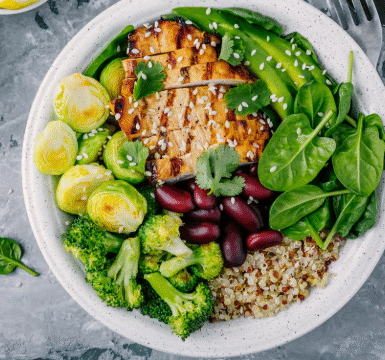
Begin with a calm plate. When flare-ups are frequent, the most helpful mindset is gentle and steady rather than drastic. Balanced meals that include colorful vegetables, quality proteins, and wholesome carbohydrates support your energy and keep blood sugar steady. This steadiness matters because big spikes and crashes can ripple into inflammation and stress. Fill half your plate with produce when you can, rotate your choices during the week, and notice how your skin responds to a wider palette of nutrients.
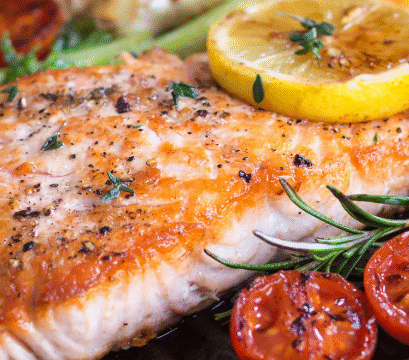
Make friends with healthy fats. Omega-3 fats, found in fish like salmon and sardines as well as in walnuts, chia seeds, and flaxseed, are often part of a skin-friendly routine. They help create meals that feel satisfying and may support a more balanced inflammatory response. Drizzle extra-virgin olive oil over roasted vegetables, toss chia into morning yogurt, or spread avocado on whole-grain toast. These are small, repeatable steps that create a supportive foundation without feeling like a strict plan.
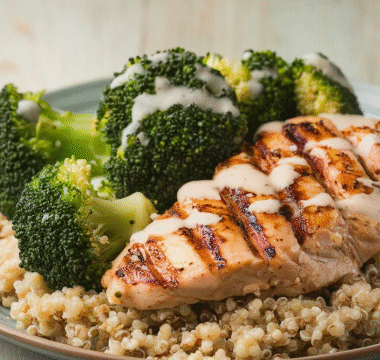
Choose gentle carbohydrates. Whole grains such as oats, brown rice, barley, and quinoa provide fiber that feeds the gut’s beneficial bacteria. A comfortable gut often pairs well with calmer skin. If gluten is a personal trigger for you, there are many naturally gluten-free options, but it is not necessary to remove gluten unless you notice a clear connection or have been advised by a clinician. Whatever grains you select, the goal is to keep meals slow-burning and steady, not to chase perfection.
Add color for calm. Deep greens, oranges, purples, and reds signal a spectrum of antioxidants and polyphenols. Berries with breakfast, tomatoes and leafy greens at lunch, and roasted carrots or sweet potatoes at dinner are simple ways to color your day. Herbs and spices bring an extra layer of support along with flavor. Ginger, turmeric, rosemary, cinnamon, and garlic can be used across cuisines and help make home cooking feel special. Allow your spices to be a joyful part of your comfort plan rather than a rigid rule.
Keep an eye on protein that treats you kindly. Skin renews itself continuously, so protein matters. Choose varied sources like fish, poultry, eggs, tofu, tempeh, lentils, and beans. If dairy is comfortable for you, cultured options such as yogurt or kefir can be soothing thanks to their live cultures. If dairy seems to coincide with skin discomfort, try a period of swapping in non-dairy alternatives and watch how your skin responds over a few weeks. The goal is not elimination for its own sake but learning what leaves you feeling at ease.
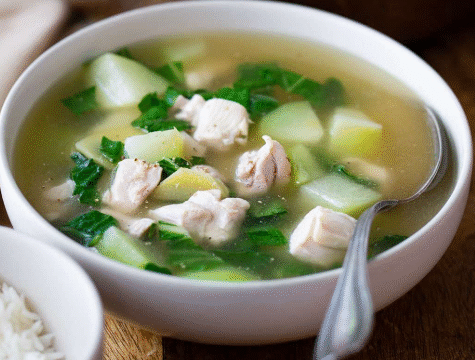
Hydration is quiet skincare. Water helps your body carry nutrients where they need to go and keeps digestion moving, which can indirectly support skin comfort. Herbal teas, infused water with citrus or cucumber, and broths can all count. Some people notice that alcohol intensifies flushing or itching. If that sounds familiar, you might experiment with a lower-alcohol routine or alcohol-free days during the week and observe whether evenings feel more comfortable.
Consider vitamin D and sunshine wisely. Many people with psoriasis watch their vitamin D status, since limited sun exposure and certain seasons can leave levels on the low side. Food sources like fatty fish, fortified milk alternatives, and egg yolks contribute, and some people use supplements under professional guidance. Sensible sun exposure may help mood and skin, but timing, sunscreen use, and your clinician’s advice should guide you. The idea is to support your body without inviting irritation.
Mind your sauces and snack habits. Restaurant meals and packaged snacks can be salty, sugary, or heavy on refined oils, all of which can leave you feeling inflamed or sluggish. Home cooking does not need to be complicated to be soothing. A pot of brown rice for the week, a tray of roasted vegetables, and a simple protein can assemble into bowls and wraps in minutes. When snacking, aim for something that pairs fiber with protein, like apple slices with peanut butter or hummus with carrot sticks, which can help you stay even-keeled between meals.
If certain foods seem suspicious, run careful experiments. Nightshade vegetables such as tomatoes, peppers, and eggplant are comfortable for many people, but a subset notice more irritation when they eat them often. The same goes for spicy dishes, alcohol, or very sugary treats. Rather than cutting everything at once, try a short, structured trial of two to three weeks, keep a simple journal of meals and symptoms, and then reintroduce the food to see if your skin reacts. This patient approach avoids unnecessary restriction and helps you learn what genuinely matters for you.
Support your gut to support your skin. A varied diet with fiber from legumes, vegetables, fruits, whole grains, and nuts feeds the beneficial bacteria that help calm the body’s stress signals. Fermented foods such as yogurt, kefir, miso, kimchi, and sauerkraut can be gentle additions if they suit your taste and digestion. If you are new to fermentation, start with small servings and build gradually. Your goal is comfort and consistency, not a dramatic makeover overnight.
Pair food with lifestyle steadiness. Sleep, stress, and movement can amplify or soften how your skin feels. Meals that are too late or too heavy may disrupt sleep, while a light, balanced dinner and a calm wind-down routine can make evenings easier. Short walks, gentle stretching, or any movement you enjoy can help shift your nervous system toward ease. When stress is high, consider keeping meals especially simple and familiar for a few days to reduce decisions and keep your energy steady.
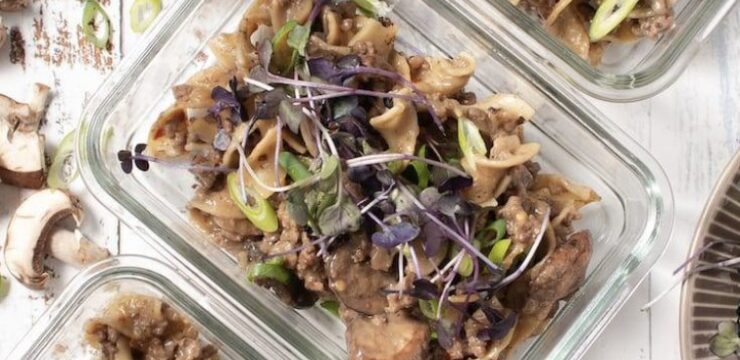
Plan for real life. Psoriasis thrives on chaos, so your meal plan should aim for reliability. If mornings are rushed, prepare overnight oats or a smoothie pack the night before. If afternoons are unpredictable, pack a small snack you trust so you are not stranded with choices that leave you feeling inflamed or jittery. On weekends, double a favorite recipe and freeze one portion for a future busy night. These small acts of care add up to fewer spikes, fewer crashes, and more comfort.
Celebrate foods you love that love you back. Cultural dishes and family favorites can often be adapted with small swaps, such as using olive oil instead of certain cooking fats, adding extra vegetables, or choosing a leaner protein. Season generously with herbs, use citrus for brightness, and finish with a handful of greens. Satisfaction is not a luxury; it is part of a sustainable plan.
Most importantly, be kind to yourself. Skin conditions can ebb and flow regardless of how carefully you eat, and that is not a failure on your part. Think of your diet as a steady hand on the shoulder of your treatment plan. If you work with a dermatologist or dietitian, share your observations from food journaling so they can tailor guidance to your needs. Over time, patterns usually emerge, and those patterns can guide you toward meals that feel peaceful and routines that feel doable.
This article is for general educational purposes and does not replace personal medical advice. If you are considering major dietary changes or supplements, especially if you take medications, consult your healthcare professional. With a gentle, curious approach and daily choices that honor your body, you can build a food routine that supports calmer days and more comfortable skin.