Eating well doesn’t have to come with a high price tag. While many people assume that high-protein diets require premium cuts of meat or expensive supplements, the truth is that there are plenty of affordable grocery staples that are both protein-rich and wallet-friendly. Whether you’re a student trying to stretch your food budget, a busy parent managing household costs, or simply looking to eat healthier without overspending, there are dozens of great choices that cost less than two dollars per serving.
High-protein foods are essential for energy, muscle maintenance, immune function, and keeping hunger at bay. But you don’t need fancy ingredients to meet your daily needs. Some of the best protein-packed options can be found in the simplest forms—grains, legumes, dairy, eggs, and canned or frozen foods that are often overlooked.
The trick is knowing what to look for when you’re walking through the aisles. You want ingredients that are versatile, long-lasting, and able to provide at least five to ten grams of protein per serving, ideally more. With smart shopping habits and a little planning, you can easily build a high-protein grocery list that fits almost any budget.
Let’s explore some of the most affordable high-protein foods you can typically buy for under two dollars, along with tips for preparing them and incorporating them into everyday meals.
Eggs are one of the most cost-effective and versatile protein sources available. A single large egg contains about six grams of high-quality protein. A dozen eggs can often be found for around $1.50, depending on location and store brand. Eggs can be scrambled, boiled, poached, or fried, making them a simple option for any meal. They can be added to salads, sandwiches, or grain bowls and are also an easy ingredient for quick stir-fries or breakfast burritos.
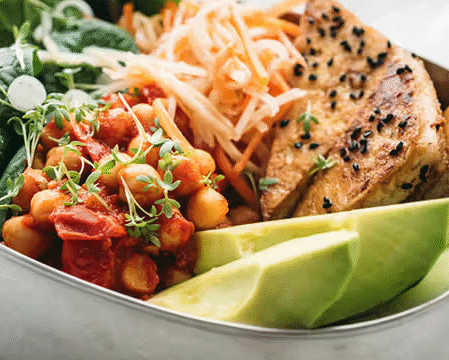
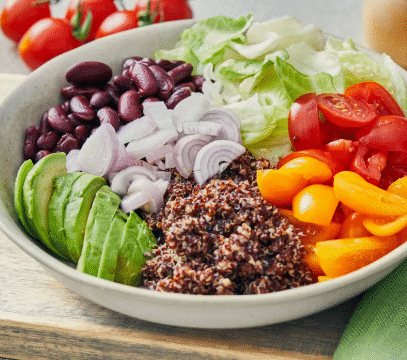
Canned beans are another budget-friendly powerhouse. Whether you prefer black beans, chickpeas, kidney beans, or pinto beans, each variety provides roughly seven to nine grams of protein per half-cup serving. A standard can usually costs around a dollar or less. Beans can be tossed into salads, simmered into soups or stews, blended into dips like hummus, or seasoned and served as a side dish. Rinsing them before eating helps reduce added sodium, making them even healthier.
Lentils are another unbeatable option when it comes to cost and nutrition. Dried lentils are often sold in bulk or in bags for just a dollar or two per pound, and they expand significantly when cooked. One cup of cooked lentils contains about 18 grams of protein, along with fiber, iron, and complex carbohydrates. They cook faster than many other legumes and can be used in soups, salads, curries, or veggie patties.
Canned tuna is a shelf-stable source of lean protein that’s quick and convenient. A typical can of light tuna in water contains over 20 grams of protein and often costs less than two dollars, especially when bought in multi-packs or during sales. Tuna can be used to make sandwiches, wraps, tuna salad, or added to pasta and grain dishes for a satisfying protein boost.
Plain Greek yogurt is another high-protein grocery staple that can be budget-friendly, especially in single-serving containers or store brands. One six-ounce serving of plain Greek yogurt contains about 15 to 18 grams of protein. It can be enjoyed on its own, mixed with fruit, blended into smoothies, or used as a topping or dressing base. Buying larger tubs instead of single portions often brings the cost below two dollars per serving.
Peanut butter is a pantry favorite that offers protein and healthy fats for a low price. Two tablespoons provide around eight grams of protein, and a standard jar lasts for many servings. Store brands or natural peanut butters are usually the most affordable. It can be spread on whole grain bread, stirred into oatmeal, added to smoothies, or paired with fruits and vegetables like apples or celery.
Tofu is another excellent and inexpensive source of protein, particularly for those following plant-based diets. A block of tofu typically costs around two dollars or less and provides 10 to 15 grams of protein per serving. Tofu is highly versatile and absorbs the flavors of whatever it’s cooked with. It can be stir-fried, grilled, baked, or crumbled into dishes as a ground meat substitute.
Cottage cheese is sometimes overlooked, but it’s a great way to get protein on a budget. One-half cup of low-fat cottage cheese contains about 13 grams of protein. It can be eaten on its own, paired with fruit, mixed into savory dishes, or even used in cooking or baking. Larger tubs offer more servings and better value for the price.
Oats may not be thought of as a high-protein food at first glance, but they provide five to six grams of protein per half-cup of dry oats, and they become even more powerful when paired with milk or yogurt. A large container of rolled oats is typically well under two dollars and lasts for many servings. Oats can be used in breakfast bowls, baked goods, or even savory recipes like veggie burgers or meatloaf.
Frozen edamame is another affordable and nutrient-rich option. One cup of shelled edamame contains around 17 grams of protein and can be found in the frozen section for around two dollars per bag. It’s easy to prepare—just steam or microwave—and can be added to salads, stir-fries, or eaten as a snack.
Pasta made from legumes, such as lentil or chickpea pasta, is becoming more widely available and often costs under two dollars per serving when bought in bulk or on sale. These pastas pack a higher protein punch than traditional wheat pasta, with some varieties offering 13 to 15 grams of protein per serving. They cook just like regular pasta and can be paired with tomato sauce, vegetables, or lean meat for a balanced meal.
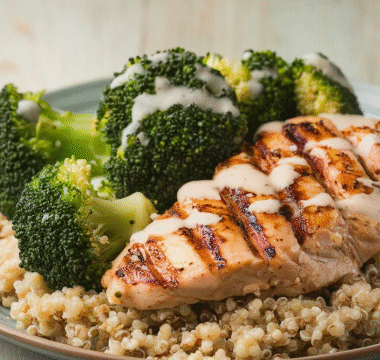
Brown rice and quinoa are both valuable additions to a high-protein grocery list. While they are primarily carbohydrates, they contain moderate amounts of protein, especially when combined with beans or lentils. Quinoa, in particular, is a complete protein and offers about eight grams per cooked cup. Both can be found affordably in bulk bins or store-brand packaging.
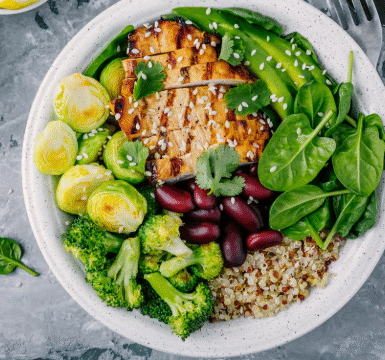
By combining several of these affordable options, it becomes easy to create meals that meet your protein needs without breaking the bank. For example, a bowl of brown rice, black beans, and sautéed tofu provides over 30 grams of protein for just a few dollars total. A breakfast of oats with peanut butter and Greek yogurt adds up quickly, both in nutrition and in value.
The key to shopping on a budget is to look for deals, buy in bulk when possible, and focus on whole foods that are minimally processed. Store brands often offer the same quality at a lower cost, and many of these staples can be stored for weeks or even months without spoiling, making them ideal for meal planning and batch cooking.
Eating high-protein meals on a tight budget is not only possible, it’s sustainable when you focus on the right staples. By choosing affordable, protein-rich items like eggs, beans, lentils, tofu, and canned fish, you can nourish your body without overspending. These ingredients are not only inexpensive, but also flexible and easy to work into countless meals.
With the right approach, anyone can build a high-protein grocery list that supports their health, fits their budget, and makes everyday cooking both satisfying and stress-free.