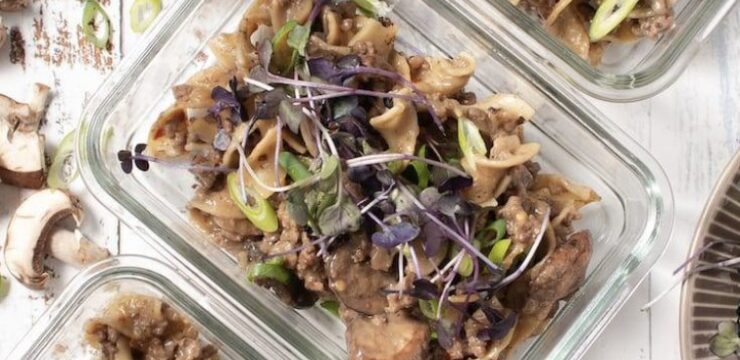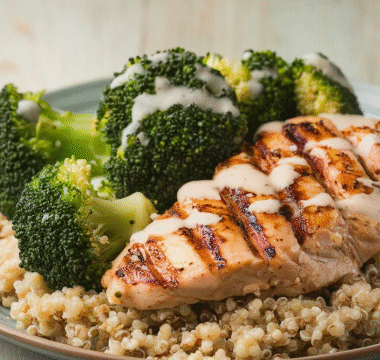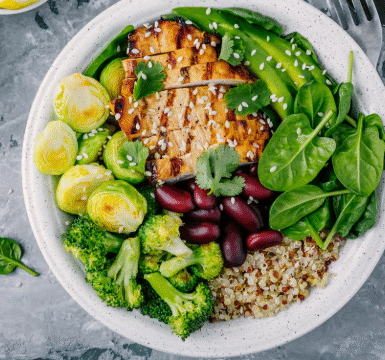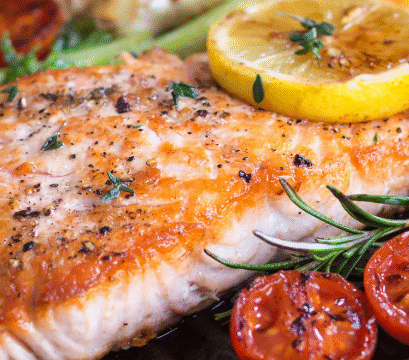
A calm, consistent complexion often starts with calm, consistent habits in the kitchen. Portion balance is not about strict rules or measuring every bite. It is a gentle practice of shaping your plate so your skin receives steady nourishment without sudden highs and lows. When you learn how to combine foods in the right proportions for your body, you help support more even energy, steadier mood, and yes, a more predictable glow. Consider this your friendly guide to balanced portions that fit real life rather than a perfect plan.
Begin with the big picture. Your skin is a living organ that responds to what your body experiences throughout the day. Large, unbalanced meals can create swings in energy and may leave you reaching for quick fixes, while tiny meals can leave you overly hungry and prone to overeating later. Portion balance sits in the middle. Think of it as setting a calm rhythm for your body. When your meals arrive in balanced amounts of protein, fiber-rich carbohydrates, and healthy fats, your system can handle nutrients at a manageable pace. Over time, that steadiness tends to show up in how your skin looks and feels.
A simple way to imagine portion balance is to picture your plate as a landscape with three friendly zones. The first zone is for colorful vegetables and some fruit. This area brings fiber, water, and protective compounds that accompany you through the day. The second zone is for protein, which supports satiety and the body’s natural repair processes. The third zone is for smart starches and healthy fats. Together, these zones form a team that helps your skin stay consistently supported rather than occasionally overwhelmed.
Vegetables deserve generosity on the plate because they deliver volume without heaviness. Leafy greens, crunchy cucumbers, roasted peppers, or simply steamed broccoli contribute texture and a sense of abundance. When you fill a generous portion of your plate with these foods, the rest of your meal can be more moderate. This approach helps you feel satisfied while still keeping your portion sizes balanced. Seasonal choices keep things exciting and can make eating well feel joyful instead of restrictive.
Protein brings structure to a meal and helps you feel grounded. Whether you prefer fish, poultry, eggs, tofu, tempeh, beans, or lentils, a palm-sized portion is a helpful starting point for many adults. The exact amount that works for you depends on activity level and personal needs, but a moderate portion usually provides enough to satisfy without crowding the plate. Protein pairs beautifully with vegetables and helps smooth out the release of energy from any starches you include.
Carbohydrates are not the enemy of a consistent complexion; the key is to choose them mindfully and to place them in a thoughtful portion. Whole grains, sweet potatoes, beans, and other fiber-rich sources deliver a slower release of energy than sugary options. If you often feel afternoon slumps, consider whether your midday plate has a balanced share of complex carbohydrates. A modest scoop of brown rice or quinoa alongside a hearty serving of vegetables and protein can be more satisfying than skipping carbs entirely, which may lead to cravings later.
Healthy fats add silkiness to your meals and can help you feel satisfied longer. Avocado slices, olive oil dressings, tahini drizzles, and a small handful of nuts or seeds are all examples of fats that support a balanced plate. The trick is to keep the amount to a small but meaningful portion. Fat is energy-dense, and a little often goes a long way in bringing comfort to a meal. When you combine fat with fiber and protein, you create a steady, friendly flow of energy that your skin may appreciate.
Hydration also plays a role in portion balance. Sometimes we reach for extra servings not because we need more food, but because we are thirsty. Keeping water, unsweetened tea, or sparkling water nearby can help you tune in to your body’s signals. If you enjoy coffee, try pairing it with a balanced breakfast rather than drinking it on an empty stomach, which can feel jarring. Even your skin’s surface sometimes looks calmer when your day includes steady sips rather than long stretches without fluids.
Meal timing is a quiet partner to portion size. Very long gaps between meals can set up a cycle of extreme hunger and then oversized portions. On the other hand, constant snacking can blur your sense of true appetite. Many people find a comfortable rhythm with three balanced meals and an optional snack if the day runs long. If your schedule is irregular, you can still aim for consistent anchors, such as a nourishing breakfast within a couple of hours of waking and a satisfying lunch that leaves you energized instead of sleepy.
Mindful plating helps you notice what portion balance looks like for you. Before eating, take a slow look at your plate and ask whether it includes color from produce, steadiness from protein, and comfort from a smart starch or healthy fat. If one element crowds out the others, adjust with a light hand. Add a handful of greens, trade a mound of rice for a smaller scoop, or drizzle a modest amount of dressing rather than pouring freely. Small shifts add up over the week and are easier to maintain than big swings.
Snacks can either maintain your balance or nudge you off course. A snack that pairs two food groups, like fruit with yogurt, vegetables with hummus, or whole-grain crackers with a little nut butter, tends to land gently. These combinations provide taste and satisfaction without turning into a miniature meal. If you prefer not to snack, a more robust lunch and dinner with balanced portions can carry you comfortably to the next meal.
Eating out does not need to break your rhythm. Many menus now offer vegetables as sides, and you can ask for dressings and sauces on the side to adjust portions more easily. If a dish arrives very large, consider savoring half and boxing the rest for later. You can also share a main dish and add a vegetable-forward appetizer. The goal is not to limit enjoyment but to shape the experience so you leave nourished and light rather than weighed down.
Portion balance can support calmer skin through steadier energy and gentler digestion, but it is not a medical treatment and everyone’s skin is unique. If you have specific health conditions or dietary needs, consider checking in with a qualified professional who can help personalize your approach. For most people, though, consistent habits around balanced plates, varied produce, and moderate portions create a friendly foundation that the skin often seems to appreciate.
A balanced kitchen routine makes portion balance effortless. Batch-cook a pot of whole grains for the week, keep washed greens and chopped vegetables at eye level in the refrigerator, and prepare a simple protein such as roasted chicken, baked tofu, or a bean salad. When the building blocks are ready, balanced plates come together in minutes, and you are less likely to over-serve any one element. Even small rituals, like setting the table and sitting down, help you feel satisfied with appropriate portions.
Finally, bring kindness to the process. Some days your appetite will be larger, some days smaller. Weather, activity, stress, and sleep can shift your needs, and that is perfectly normal. Portion balance is not about perfection but about paying attention. When you choose a plate that includes abundant vegetables, a clear portion of protein, a modest serving of complex carbohydrates, and a touch of healthy fat, you create a steady pattern your body can rely on. Over time, that reliability can be reflected in how your complexion behaves day to day. Think of each balanced meal as one more brushstroke in the calm, consistent picture you want for your skin.