Poke bowls have become a go-to meal for those who want something fresh, flavorful, and nourishing. With their roots in Hawaiian cuisine, these colorful bowls typically feature diced raw fish, rice, vegetables, and flavorful toppings. While traditionally light and nutrient-packed, poke bowls can be customized in countless ways to suit different nutritional goals—including increasing the protein content while keeping calories in check.
For anyone looking to build lean muscle, stay full longer, or manage weight, prioritizing protein is a smart strategy. At the same time, balancing your calorie intake helps support healthy energy levels and overall well-being. That’s where high-protein poke bowls under 600 calories really shine. They deliver the satisfaction of a full meal, packed with nutrients, without tipping the scale in the calorie department.
What makes poke bowls so ideal for this approach is their flexibility. You can mix and match ingredients based on what your body needs and what your taste buds crave. With a few smart choices, it’s easy to build a bowl that hits 30 grams or more of protein and still stays under the 600-calorie mark.
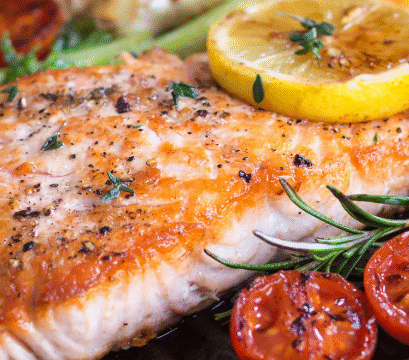
Let’s start with the protein. Traditional poke bowls usually use ahi tuna or salmon, both of which are excellent sources of lean, high-quality protein. A typical 4-ounce serving of raw ahi tuna delivers around 25 grams of protein with just over 120 calories. Salmon is slightly higher in fat, making it a bit more calorie-dense, but also rich in omega-3 fatty acids that support heart and brain health. If you’re looking to keep calories low and protein high, tuna is a great option, while salmon is a fantastic choice when you want the added benefit of healthy fats.
If you’re not into raw fish or want to try something different, there are many high-protein alternatives that still keep your bowl within the calorie goal. Cooked shrimp is one example, offering around 20 grams of protein in a 3-ounce serving and fewer than 100 calories. Grilled chicken breast, tofu, or tempeh can also be used as poke bowl bases, especially for those following plant-based diets. Edamame is another protein-packed option that works well as a mix-in, contributing roughly 17 grams of protein per cup.
The base of your poke bowl also plays a role in keeping calories in check. Traditional white rice is commonly used, but if you’re trying to stay under 600 calories, consider swapping it out or using a smaller portion. A half-cup of cooked white rice contains around 100 calories. Brown rice, cauliflower rice, or even mixed greens are great alternatives depending on your personal preferences. Cauliflower rice is especially helpful if you want to save calories for more toppings or sauces, as it’s extremely low in calories while still adding texture.
Next come the vegetables, which not only add flavor and crunch but also help increase the volume of the meal without a significant calorie load. Cucumber, shredded carrots, seaweed salad, radish, cabbage, and avocado slices are all common in poke bowls. Most raw vegetables are very low in calories but high in fiber and water, which makes your bowl more filling. Avocado, while higher in calories, provides healthy fats that can enhance satiety and offer valuable nutrients like potassium and vitamin E. If you’re watching calories closely, just use a quarter of an avocado instead of a half to get the best of both worlds.
Don’t forget about toppings and sauces. These can sometimes be sneaky sources of added calories and sugar, so it helps to be selective. A light drizzle of soy sauce, ponzu, or sesame oil goes a long way in flavor without going overboard. Sriracha, lime juice, and rice vinegar are also low-calorie ways to add bold taste. If you’re craving creamy sauces like spicy mayo, consider using a light or yogurt-based version or just a small amount to keep the calorie count manageable.
For added texture and protein, a sprinkle of sesame seeds or a small scoop of roasted chickpeas can bring something extra to your bowl. Just be mindful of quantities. While nutritious, these toppings are calorie-dense and can add up quickly. A teaspoon of sesame seeds or a tablespoon of crispy lentils provides crunch and nutrition without tipping the calorie scale too much.
High-protein poke bowls can also benefit from strategic meal prepping. If you’re making them at home, you can portion ingredients in advance, measure proteins and grains carefully, and build balanced meals that are ready to enjoy during the week. Many of the core components—like diced fish, cooked rice, chopped veggies, and sauces—can be stored separately in the fridge and combined just before serving.
A well-planned poke bowl under 600 calories typically includes around 4 ounces of lean protein, a modest portion of rice or greens, plenty of fresh vegetables, and a simple sauce or two. The combination is satisfying, colorful, and packed with flavor. Best of all, it supports both satiety and energy without leaving you feeling overly full or sluggish.
For those tracking macros or aiming for a specific goal, there are plenty of ways to tweak the ratios. For example, adding more edamame or tofu increases the protein without significantly increasing calories. Using spiralized zucchini or shredded cabbage instead of rice boosts fiber and adds volume. A squeeze of citrus or a sprinkle of chili flakes can brighten the flavor without any calorie impact at all.
Dining out? You can still enjoy a poke bowl that fits your goals by asking for sauce on the side, choosing lean proteins, and controlling your grain portion. Most poke spots now offer customization, so don’t be shy about building a bowl that works for you.
Ultimately, high-protein poke bowls under 600 calories are more than just a trend—they’re a smart, sustainable way to enjoy a meal that’s balanced, beautiful, and deeply satisfying. Whether you make them at home or pick one up on the go, the right bowl can help fuel your body and satisfy your cravings, all while supporting your health goals.
So the next time you’re looking for a quick, nourishing meal that delivers flavor and protein without overdoing the calories, consider building your perfect poke bowl. It’s a flexible, delicious way to stay full, feel good, and enjoy every bite.