If food is your daily skincare from the inside out, then how you cook is the finishing step that can either support your glow or work against it. Pan-frying and air-frying both make meals satisfyingly crisp, but they treat fats, moisture, and temperature differently. These differences matter for your skin because heat can change the quality of oils, create compounds you want to keep in check, and influence how balanced, hydrating, and nutrient-preserving a meal ends up. Think of this as a friendly kitchen tour that helps you choose methods that are kind to your taste buds and your complexion.
Let’s start with what your skin actually wants from cooked food. Skin thrives on steady antioxidants, healthy fats for a flexible barrier, protein for collagen support, minerals like zinc and selenium, and water-rich ingredients that keep you comfortably hydrated. Cooking techniques that minimize excessive oxidative stress, avoid burning, and reduce heavy, unstable oils tend to align better with those goals. It’s not that pan-frying is “bad” and air-frying is “good.” It’s more accurate to say that each method can be used in glow-friendly ways when you understand what’s happening in the pan or the basket.
Air-frying is essentially high-velocity hot air circulating around food to create crispness with little or no added oil. Because you use less oil overall, there is typically less exposure to heat-stressed fats on your plate. That can be helpful for skin, since repeatedly heating a large volume of oil, especially at high temperatures, can break down those fats and form byproducts you’d rather not overdo. Air-frying also tends to keep the surface dry and crisp while the inside stays moist, which makes it easier to love vegetables, lean proteins, and even chickpeas or tofu without drenching them. For many people, that translates to lighter, less greasy meals that are easier on digestion and more balanced for daily energy and skin calm.
Pan-frying brings a different kind of pleasure: direct contact heat, quick browning, and the chance to build flavor in the skillet. The challenge is managing oil type, amount, and temperature. When oil smokes, it signals that the fat’s structure is deteriorating, which can create off flavors and compounds you don’t need in excess. This doesn’t mean you must avoid a skillet. It simply means choosing the right fat for the job and keeping an eye on heat. A modest amount of avocado oil or light olive oil for higher-heat searing, or extra-virgin olive oil for gentler sautéing, can help you capture the best of pan-frying without going overboard. Add fresh, watery elements by finishing with tomatoes, cucumbers, citrus, or herbs to balance the plate.
Both methods trigger the Maillard reaction, which is chef-speak for the delectable browning that develops between amino acids and sugars. Maillard flavors are one reason crisp food tastes so good, but the same chemistry can also form advanced glycation end products. You will never remove these completely from cooked food, and you don’t need to. The skin-smart approach is to balance crisp textures with hydration and colorful produce. A side of lemony greens, a scoop of steamed quinoa, or a quick yogurt-herb sauce adds moisture, antioxidants, and a cooling counterpoint that keeps the whole meal friendly for your complexion.
Oil quality is a quiet hero here. For pan-frying, start with fresh oil, avoid letting it smoke, and use just enough to coat the surface. Reserve fragile oils like flax or unrefined walnut for dressings rather than the pan. For air-frying, a light spray of oil can improve texture and nutrient absorption without flooding the food. This is useful for vegetables, since a little fat helps your body absorb fat-soluble antioxidants such as beta-carotene and lycopene. In other words, a spritz on carrots, sweet potatoes, or peppers can be an inside-out beauty move, not a compromise.
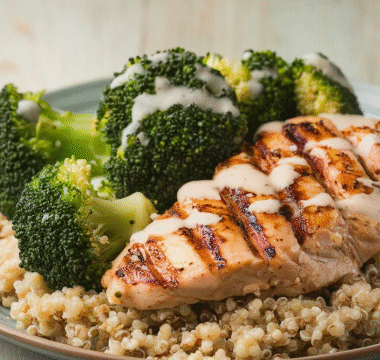
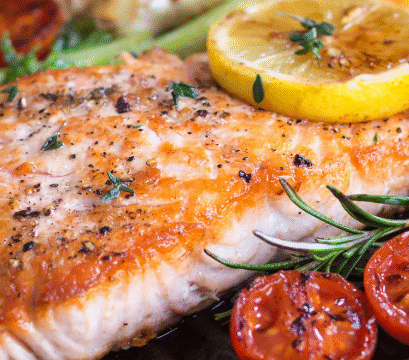
Protein is another piece of the skin puzzle. Collagen maintenance depends on daily protein plus vitamin C and a matrix of supportive nutrients. Air-frying chicken breast, salmon, or tofu can deliver crisp edges with minimal extra fat, leaving room on your plate for citrusy slaw or a tomato-cucumber salad that brings vitamin C and hydration. Pan-frying the same proteins can be equally helpful when you control the heat and avoid heavy breading. A thin, whole-grain or almond-flour coating can add crunch without turning the dish into an oil sponge. Keep the sizzle lively but not smoking, and finish with a squeeze of lemon, a handful of parsley, or a spoon of fresh salsa to brighten the profile and add antioxidant lift.
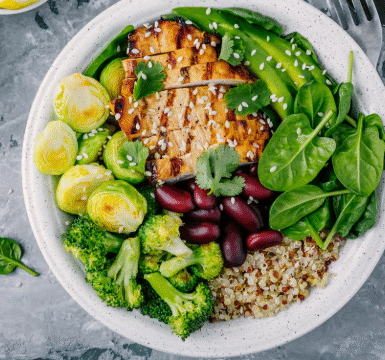
Vegetables deserve a special mention because their color signals phytonutrients your skin loves. Air-frying often makes it simple to eat more of them. Broccoli, zucchini, eggplant, and mushrooms pick up golden edges quickly in a basket, and a quick toss with olive oil, garlic powder, and paprika before cooking can bring restaurant-level flavor at home. Pan-frying shines for softer sautéed vegetables and leafy greens. A gentle heat with extra-virgin olive oil and garlic lets spinach, kale, or chard wilt into silky ribbons that mingle beautifully with beans or eggs. When greens are part of the meal, the hydration and minerals they carry help counterbalance any crisped surfaces elsewhere on the plate.
Salt and moisture management also matter for skin-aligned cooking. Air-fryers can concentrate salt on the surface, so season lightly at the start and taste after cooking. Consider layering flavor with citrus, vinegar, fresh herbs, or yogurt-based sauces so the dish tastes vibrant without relying on extra sodium. In a skillet, deglazing with a splash of water, broth, or lemon juice loosens flavorful bits while adding moisture. That tiny step helps create a glossy pan sauce instead of pushing toward scorching, and the added hydration supports an overall balanced, skin-kind meal.
What about time and consistency in a busy week? Air-frying excels at set-and-forget crisping for meal prep, especially with prepped vegetables, chickpeas, tofu cubes, or salmon. You can batch cook components for bowls and reheat them quickly, maintaining crunch without returning to heavy oil. Pan-frying is fantastic for fast, fresh dinners, especially when you want a little char on shrimp, a golden crust on halloumi, or a quick sear on zucchini ribbons. For meal prep, keep pan-fried items slightly underdone so a gentle reheat brings them to their peak without drying out.
If you’re wondering which method your skin prefers, the honest answer is that your skin prefers what keeps oils stable, vegetables abundant, proteins tender, and hydration high. Air-frying often makes this easier by minimizing oil degradation and encouraging high-veg, crisp-light plates. Pan-frying rewards attention to detail and can be just as supportive when you choose appropriate oils, mind the heat, and pair the finished dish with fresh, water-rich sides and citrusy finishes. You can even combine the two: start in the skillet for quick browning, then finish in the air-fryer to keep the surface crisp with less total oil and less time on direct high heat.
A simple way to decide in everyday life is to let the main ingredient guide you. If you crave a basket of crunchy carrots, cauliflower, or chickpeas for a salad topper, reach for the air-fryer. If you picture garlicky shrimp, silky mushrooms, or a tomato-egg scramble with herbs, pick the pan and keep the heat moderate. Either way, lean on extra-virgin olive oil for gentle cooking and dressings, use higher-heat-tolerant oils sparingly when searing, and finish with bright, raw elements that bring antioxidants and hydration to the party.
Finally, remember that your overall pattern matters more than any single technique. A week that includes colorful produce, steady protein, whole grains or legumes, and smart fats will show up on your face more reliably than chasing perfection at the stove. Use the method that helps you cook at home more often and enjoy your meals. When food is satisfying, balanced, and kind to your ingredients, it tends to be kind to your skin as well. This article is for general information and not medical advice, so if you have specific health or skin conditions, consider talking with a qualified professional. In the meantime, let flavor be your guide, let balance be your routine, and let your kitchen tools work together to support a healthy, confident glow.