When the weather turns cold, your skin often feels the change first. Drier indoor air, chilly winds, and extra layers of clothing can leave your complexion tight, dull, or easily irritated. Thoughtful meal prep can offer gentle support from the inside out while also saving time, money, and stress. The goal is comfort and consistency: warm, nourishing foods, steady hydration, and simple kitchen routines that help you eat well all week without fuss. Consider this a friendly guide rather than medical advice, and always personalize choices to your needs and preferences.
Start with the weekly plan. Cold seasons invite heartier dishes, and those are ideal for batch cooking. Before shopping, look at your calendar and set a realistic number of meals to prep, such as two soups, one pot of whole grains, and a versatile protein. Choose a theme to keep decisions easier, like Mediterranean comfort or cozy Asian-inspired broths. Planning around a few key flavors simplifies shopping, reduces food waste, and makes your meals taste coordinated rather than random. A gentle structure helps you stick to nourishing habits even when the days are short and your schedule is long.
Hydration deserves as much attention as food. When it is cold, people often forget to drink water and skin can feel the impact. To make hydration appealing, prepare a small pitcher of warmable infused water for the week. Options like sliced pear and ginger, lemon and a cinnamon stick, or plain water you enjoy sipping warm can feel soothing. Keep a thermos at your desk to encourage steady sipping throughout the day. Herbal teas can be a comforting part of your routine, but remember to balance them with regular water so you are not relying on only tea for hydration. Your skin appreciates this steady, quiet support.
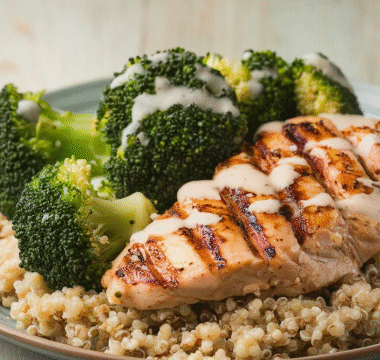
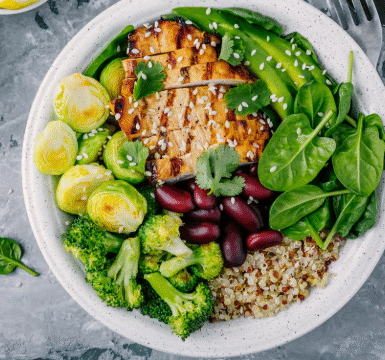
Build meals that feel substantial yet skin friendly. Think of each container as a simple formula: a generous portion of colorful plants, a moderate serving of high quality protein, and a comforting source of slow-burning carbohydrates. In cold months, cooked vegetables often feel gentler than raw. Roast trays of carrots, winter squash, onions, and mushrooms until they are caramelized and sweet. Steam cruciferous vegetables like broccoli or cauliflower until just tender so they remain easy to digest. For proteins, consider options such as lentil stews, beans simmered with aromatics, tofu baked with herbs, or poultry gently poached for moisture. For carbohydrates, choose oats, barley, brown rice, or buckwheat to add warmth and staying power.
Soups and stews are the heroes of cold-season prep. They are forgiving, budget friendly, and simple to portion. If your skin feels easily reactive in winter, keep the seasoning balanced and thoughtful. Use warming spices such as ginger and turmeric in modest amounts and pair them with soothing elements like coconut milk, olive oil, or a splash of plain yogurt at serving time if you tolerate dairy. A vegetable and bean soup with tomatoes, greens, and a drizzle of extra virgin olive oil offers comfort and valuable nutrients. A chicken and barley stew with mushrooms provides depth and a pleasing chew. A miso-forward broth with tofu and soft vegetables can feel calm and cozy on days when you want something light but warming.
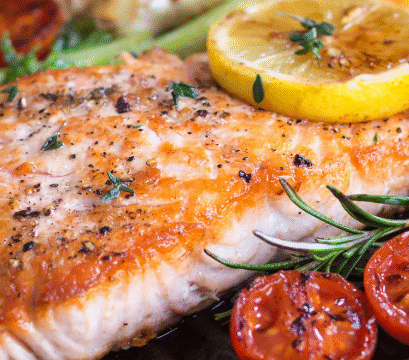
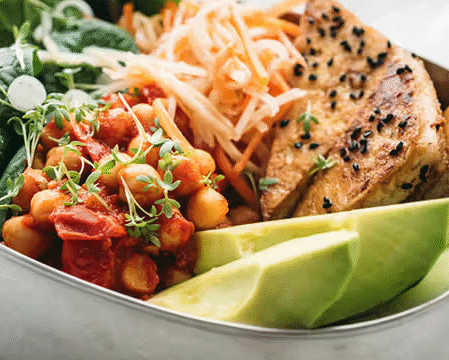
Healthy fats become especially useful in cold seasons because they help meals feel satisfying and support a soft, comfortable mouthfeel in dishes that might otherwise seem dry. Add a modest swirl of olive oil to soups just before serving, stir a spoon of tahini into warm grain bowls, or top roasted vegetables with a small handful of chopped nuts or seeds. If you enjoy fish, prepare a gentle bake of salmon or trout with lemon and herbs, then portion it with cooked greens and warm grains for balanced lunches. If you prefer plant-based meals, a chickpea and vegetable tagine with olives and a drizzle of oil can deliver a silky, soothing texture without heaviness.
Food safety is part of skin-safe meal prep too, because you want meals that are fresh, calm on the stomach, and free from unnecessary irritation. Cool cooked dishes promptly before refrigerating, store them in clean, airtight containers, and label with the date. Most cooked dishes keep well for three to four days in the fridge. If you are prepping a larger batch, freeze portions you will not eat within that window. When reheating, bring soups to a gentle simmer and warm grains and proteins to an even temperature throughout. Avoid reheating the same container multiple times; portion what you need, heat it thoroughly, and return the rest to the fridge or freezer.
Consider the textures your skin and body may appreciate in winter. Soft, moist preparations are often more appealing than crisp or crumbly foods. Overnight oats warmed on the stove with apples and a spoon of ground flax seeds can feel soothing at breakfast. For lunches, a warm grain bowl topped with roasted vegetables and a spoon of bean stew blends comfort with convenience. For dinner, a tender braise of cabbage and mushrooms over buckwheat is surprisingly elegant and gentle. These textures help meals feel cozy without relying on heavy creams or excess salt.
Seasonal produce shines in colder months and gives your plates natural variety. Choose winter squash, sweet potatoes, beets, turnips, cabbage, leeks, and leafy greens like kale or chard to build color and flavor. Roast a pan of squash cubes on the weekend and add them to salads, soups, and bowls. Slice leeks thin and sauté them slowly to coax out sweetness for stews or omelets. Keep a container of cooked greens ready, then fold a serving into your meals at the last minute so the color stays vivid and the taste remains fresh. When fruit cravings strike, pears and citrus offer brightness. A simple orange segment over a warm spinach bowl can lift the entire dish.
Make reheating a small ritual so meals taste freshly cooked. Warm soups slowly to preserve their aroma. Steam grains with a splash of water to restore tenderness rather than drying them out in a microwave. Revive roasted vegetables in a hot skillet for a few minutes to bring back their edges. Finish dishes with a fresh element right before eating, such as chopped parsley, a squeeze of lemon, a spoon of yogurt if you enjoy it, or a drizzle of oil. These simple touches help every container feel like a proper meal rather than leftovers.
Finally, be kind to your routine. Short days can leave you tired, and the best plan is the one you can keep. Choose a prep window that works for you, even if it is just one hour. Cook one pot of soup, one tray of vegetables, one pot of grains, and one protein. That small effort creates multiple combinations for the week and helps you stay consistent with skin-supportive eating. If you miss a prep day, start again the next day with a single dish. With steady hydration, warm balanced meals, and safe storage habits, your cold-season meal prep can feel like a gentle blanket: comforting, dependable, and kind to your skin.