Travel across time zones can feel exciting and disorienting at the same time, and your skin often shows it first. Dry cabin air, high sodium snacks on the go, disrupted sleep, and irregular mealtimes can leave your complexion looking dull and irritated. The good news is that a thoughtful, gentle meal plan can help you bounce back quickly. Think of this as a soothing routine for your body clock and your skin barrier, with hydrating foods, steady energy, and calm digestion at the center. This friendly guide is educational and not a substitute for medical advice, so check in with a healthcare professional if you have specific conditions or concerns.
Why jet lag shows up on your face
When your circadian rhythm is out of sync, the hormones that guide sleep, appetite, and skin repair shift out of rhythm too. Short nights can lead to more visible under-eye puffiness, and irregular meals often create energy crashes that encourage extra coffee and salty snacks. Airplane cabins are notoriously dry, which can dehydrate you from the inside out. The aim of a recovery plan is to reestablish consistent hydration, nourish your microbiome for calmer skin, and anchor mealtimes to the new time zone so your body knows when to wake, digest, and repair.
Hydration is the headline
Before thinking about recipes, commit to a simple rhythm of fluids. Start your morning with a full glass of water and repeat between meals. Include water-rich foods like cucumbers, oranges, melon, tomatoes, and leafy greens. Add an electrolyte source after long flights or sweaty walks, focusing on balanced options rather than super sweet drinks. Herbal teas such as chamomile, ginger, or peppermint can support digestion and relaxation. Moderate caffeine to the first part of the day only and pair it with food to avoid jitters and dryness.
A gentle day one plan
Your first full day in the new time zone should prioritize easy digestion and steady energy. Begin with a breakfast that’s light, hydrating, and rich in vitamin C and healthy fats. A fruit and yogurt bowl with kiwi, berries, and a spoon of ground flax can be a refreshing start. The vitamin C supports collagen formation, while the flax contributes omega-3 fats that help calm skin. If you prefer savory, consider soft scrambled eggs with chopped spinach and a side of sliced tomato and avocado. Keep portions comfortable and stop at satisfied, not stuffed, to reduce bloating and fluid retention.
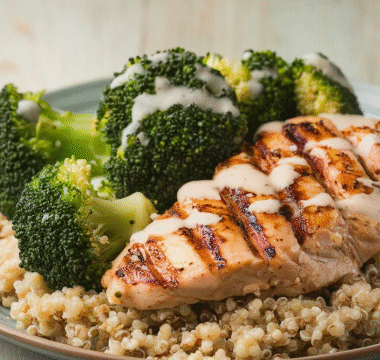
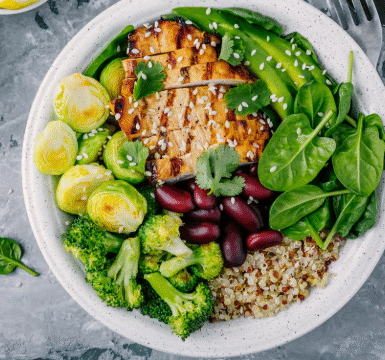
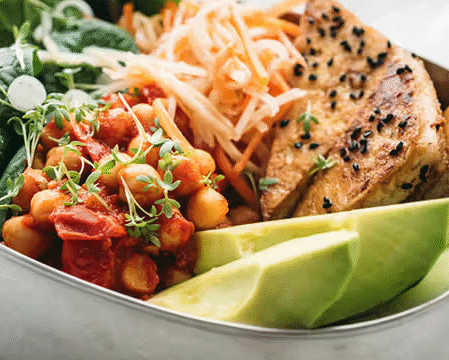
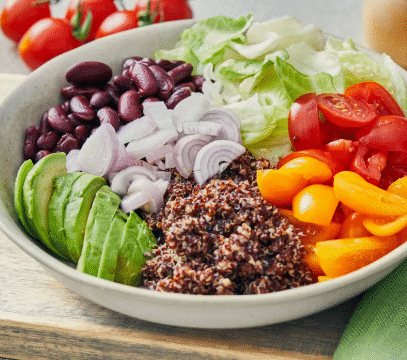
At midday, aim for a balanced plate with color and crunch. A quinoa and chickpea bowl tossed with cucumbers, cherry tomatoes, herbs, and a lemon-olive oil dressing gives you protein, fiber, and polyphenols that support a healthy gut and a bright complexion. If you are dining out, look for grilled fish or tofu with steamed vegetables and a baked potato or rice. Season with citrus and herbs before reaching for extra salt. For an afternoon refresh, choose a snack that hydrates and stabilizes blood sugar like sliced melon with a handful of pistachios or plain kefir with pineapple.
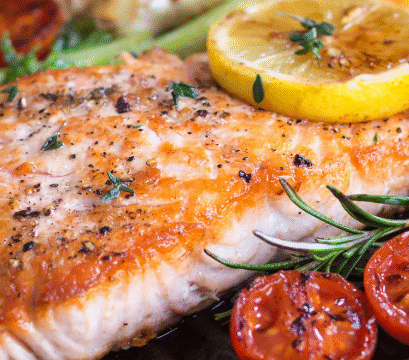
Dinner should be earlier rather than later to encourage sleep. Go for calming tryptophan-containing proteins such as turkey or lentils, plus magnesium-rich greens and a complex carbohydrate that releases energy slowly. A simple plate might be roasted salmon with lemon, a side of sautéed zucchini, and brown rice. If you are vegetarian, try a lentil and mushroom ragù over whole-grain pasta with a leafy green salad. Finish with warm herbal tea and keep dessert modest and fruit forward. The goal is to let your body drift toward local bedtime without a heavy digestive load.
Optional pre-bed routine from the kitchen
If you tend to wake at odd hours after a long flight, a small, carb-leaning snack about an hour before bed can help. Think a ripe banana, a small bowl of oats made with milk, or a warm cup of milk with a pinch of cinnamon. This is not a second dinner, just a nudge toward sleep while keeping your skin’s overnight repair cycle humming.
Day two: reinforce rhythm
By the second day, you are teaching your body to trust the new schedule. Keep breakfast at a consistent local time. A smoothie can be a quick solution if you wake up with a sluggish appetite. Blend leafy greens, frozen mango, plain yogurt or a non-dairy alternative with added protein, and a squeeze of lime. This delivers hydration, electrolytes, protein for tissue repair, and antioxidants for glow. Lunch can be a hearty salad with grains, seeds, and a lean protein. Consider a farro salad with grilled chicken or marinated tofu, greens, roasted peppers, and a spoon of pumpkin seeds for zinc, which supports skin repair. In the afternoon, swap sugary treats for a square of dark chocolate and a tangerine or a small container of edamame. Dinner can be a cozy vegetable-forward soup with beans and a side of whole-grain toast or a rice bowl with sautéed greens, ginger, and sesame. Keep seasoning bright and light to avoid waking puffy.
Smart travel staples for your kitchenette or hotel room
If you have limited cooking access, choose items that assemble easily. Plain yogurt or kefir, fresh fruit, bagged salad greens, cherry tomatoes, canned beans, pre-cooked grains, avocado, and a small bottle of extra virgin olive oil can create countless combinations in minutes. Packets of plain oats, nut butter, and herbal tea can smooth out early mornings when restaurants are closed. These basics encourage you to eat on a regular clock without relying on high sodium convenience snacks that show up on your face the next day.
Care for your gut to calm your skin
Travel can temporarily disrupt the microbiome, which can influence skin clarity and sensitivity. Help your gut with gentle fiber, fermented foods, and consistent mealtimes. Include sources like bananas, oats, beans, cooked apples, and fermented yogurt or kimchi if you tolerate it. Start small if new to ferments and listen to your body. The aim is comfort, not challenge. Pair fiber with fluids to avoid sluggish digestion, especially after long flights.
Salt, sugar, and alcohol with intention
There is room for treats on a trip, but make them enjoyable by being deliberate. If you love a local dessert, savor it slowly after a balanced meal. If you enjoy a glass of wine or beer, plan it with dinner, drink water alongside it, and avoid alcohol close to bedtime while you are re-syncing your sleep. Choose savory snacks with a lower sodium load such as unsalted nuts or hummus with vegetables rather than chips. These tiny choices reduce morning puffiness and help your skin show your best travel memories.
Morning light and meal timing
Your plate is only part of the story. Morning daylight is a powerful nudge for your internal clock. Eat breakfast in the local morning and try to get outside for a short walk. This combination tells your brain that it is daytime here, which, in turn, spaces your hunger cues and sleep signals more predictably. Keep dinners within two to three hours of bedtime for the first few nights to encourage deeper rest and better skin recovery.
A sample one-day recovery menu
Morning begins with water, then a bowl of Greek yogurt topped with sliced kiwi, blueberries, and ground flax. Midmorning, enjoy green tea if you like caffeine, or switch to mint tea if you are sensitive. Lunch features a quinoa and chickpea salad with cucumbers, tomatoes, parsley, lemon, and olive oil, plus a wedge of orange. Afternoon brings melon with pistachios. Dinner is roasted salmon, brown rice, and sautéed zucchini with a squeeze of lemon. If needed, a small bowl of warm oats before bed completes the day.
Progress over perfection
Jet lag is temporary. If you find yourself eating out of rhythm on day one, start fresh the next meal. Each glass of water, each colorful plate, and each step in the morning light helps your body adjust. Within a couple of days, your skin typically looks more supple, color returns to your cheeks, and that travel-worn feeling fades. Keep your routine kind, consistent, and flexible, and let food be your friendly co-pilot as you glide back into your glow.