If you have ever woken up with puffy cheeks after a salty dinner, you have felt how sodium can influence the way your skin looks. Sodium itself is not the villain; your body needs it for fluid balance and nerve function. The challenge appears when daily intake climbs higher than your body can comfortably handle, often from hidden salt in restaurant meals, packaged snacks, and sauces. That excess pulls water into the spaces between cells, which can translate into a swollen feeling in your hands, a tighter ring on your finger, or a pillow-pressed look in your face. The good news is that smart choices throughout the day can help you feel balanced again.
Bloat is usually a temporary shift in fluid and gas, and sodium is one piece of that puzzle. When sodium rises, your body holds on to water to keep the ratio of fluids in a safe range. This protective response can show up as under-eye puffiness, a softer jawline, or an overall “puffy” look. It is not the same as weight gain from body fat, even though the scale may fluctuate. As your intake normalizes and your fluids rebalance, the puffiness tends to ease. Understanding this mechanism helps you respond calmly rather than chasing quick fixes.
Hydration is the first gentle step toward feeling better. Drinking water may sound counterintuitive when you feel puffy, but fluids help your kidneys do their job. Sipping water consistently through the day supports natural balance so your body does not feel the need to cling to every drop. Many people find it helpful to start the morning with a glass of water, pace refills with meals, and add an extra glass after a salty lunch or dinner. Herbal teas without added sweeteners can count toward your fluids as well and create a soothing break during busy workdays.
Potassium-rich foods offer another friendly nudge toward equilibrium. Potassium helps counterbalance sodium’s effects by supporting normal fluid movement inside cells. Think of fresh produce and whole foods that fit your daily routine. A snack of a banana with plain yogurt, a salad with leafy greens and chickpeas, a side of roasted squash, or a bowl of fruit after a saltier meal can be a simple way to bring potassium to the table. You do not need anything extreme; steady, everyday choices usually make the biggest difference. If you have a medical condition that limits potassium, follow your healthcare provider’s guidance.
Magnesium and calcium play background roles in maintaining a steady rhythm in muscles and nerves, which can influence how comfortable your body feels when bloat strikes. Whole grains, nuts, seeds, and leafy greens supply a gentle mix of minerals without added sodium. A small handful of unsalted almonds, overnight oats with chia, or a simple spinach omelet can fit into a normal week without feeling like a special diet. Approaching these foods as supportive additions rather than strict rules keeps your routine enjoyable and sustainable.
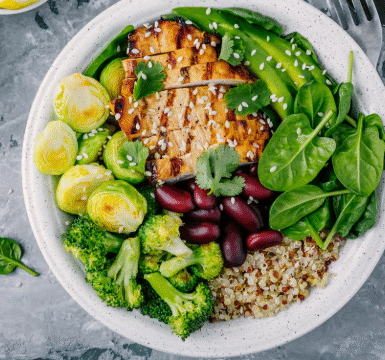
Fiber also deserves attention. When a salty meal arrives alongside low fiber intake, you may feel both water retention and sluggish digestion. Bringing fiber into the picture through vegetables, beans, lentils, berries, and whole grains helps keep the digestive process moving, which can ease the feeling of fullness and pressure. If fiber is new for you, increase gradually and pair it with water to stay comfortable. A grain bowl at lunch with greens, quinoa, and a protein, or a simple stew with beans and vegetables, provides a balanced base that supports both skin and digestion.
Salt often hides in places you might not expect, and awareness helps you choose what works for you. Bread, breakfast cereals, sauces, condiments, soups, and even some plant-based meat alternatives can carry more sodium than their fresh counterparts. Reading the nutrition panel and noticing the sodium per serving is a useful habit. When cooking at home, you can lean on acidity, aromatics, and texture to create satisfying flavor without as much salt. Lemon juice, a splash of vinegar, garlic, ginger, herbs, and a crunchy garnish can make a dish feel complete. When eating out, simple requests such as sauce on the side or choosing grilled options over heavily seasoned ones can soften the sodium load without sacrificing enjoyment.
It also helps to consider timing. If a photoshoot, event, or important meeting is on your calendar, plan a few days of balanced, home-cooked meals that use gentle seasoning and plenty of produce. Keep alcohol modest because it can both dehydrate and encourage a salty snack habit. Aim for steady sleep, since short nights can exaggerate morning puffiness by influencing hormones that manage fluids. None of this needs to be perfect. Even two or three calmer days can help your skin look more rested and your body feel more at ease.
Topical care can complement your inside-out approach. A clean, fragrance-free moisturizer helps your skin barrier hold water in the right place, and a cool compress under the eyes in the morning can calm the look of puffiness. If your skin tends to look tired after salty dinners, consider washing your face before bed and propping your head slightly on the pillow to discourage fluid from settling. These are simple habits that pair well with the dietary steps above. If you have persistent swelling, pain, or sudden changes, seek a professional evaluation to rule out underlying issues.
It is also worth addressing a common myth: salt does not directly cause acne. Breakouts are complex and influenced by genetics, hormones, products, and habits. However, when a salty pattern leads to frequent fluid shifts, you may notice your skin looks dull or makeup sits differently. By focusing on overall balance—adequate fluids, steady minerals, and whole foods—you support the conditions for skin to appear smoother and more vibrant. Think of sodium not as an enemy but as an ingredient to place intentionally within a bigger picture.
Finding your personal balance is about patterns over time, not perfection. If you enjoy ramen on Friday, let Saturday lean toward hydrating, potassium-rich meals and a long walk. If a busy week pushes you toward takeout, keep a few low-sodium staples at home—frozen vegetables, unsalted nuts, plain yogurt, whole grains—so you can assemble a quick, supportive plate. Small, steady choices will bring your system back into harmony. Your skin often reflects that internal steadiness with less puffiness and a more rested look.
This article is for general information and is not a substitute for personalized medical advice. If you have kidney, heart, or blood pressure concerns, or if you take medications that influence fluid balance, consult your healthcare professional for guidance tailored to you. With a friendly focus on hydration, mineral balance, and everyday cooking habits, you can enjoy food you love while keeping sodium in check, easing bloat, and helping your skin look calm and refreshed.