If your spice cabinet has been sitting quietly in the kitchen, it’s time to let it shine. Spices add flavor, color, and aroma, and many are also linked with nutrients and plant compounds that can support overall wellness, including the look and feel of your skin. A thoughtful refresh does not require fancy equipment or rare ingredients. With a few smart swaps and everyday habits, you can build a skin-friendly routine that starts at the stove, tastes wonderful, and fits into real life.
Begin with a clean slate. Pull everything off the shelf, check dates, and give jars a sniff. Spices don’t spoil the way fresh food does, but they do lose their punch over time. When aroma is faint, flavor and potential benefits are usually fading as well. This simple reset helps you notice what you actually use and what deserves a second chance in your cooking. Keep a note on your phone of gaps to fill and blends you want to try; this prevents impulse buying and keeps your cabinet tidy.
Turmeric often takes center stage in conversations about glow. Its golden color comes from curcuminoids, compounds widely discussed for their antioxidant and calming properties. While it’s not a medical treatment, adding turmeric to everyday dishes can be a delicious habit. Stir a pinch into scrambled eggs, whisk it into salad dressings, or make a cozy evening drink with warm milk of your choice, a little honey, and a dusting of turmeric and cinnamon. For better flavor and kitchen chemistry, pair turmeric with a crack of black pepper and a touch of healthy fat, like olive oil or coconut milk, which can help its compounds blend into your meal.
Ginger brings gentle heat and bright zing to both sweet and savory recipes. In the kitchen, grated fresh ginger can perk up stir-fries and broths, while ground ginger adds warmth to oatmeal or banana bread. Many people enjoy ginger tea as an after-dinner ritual that feels soothing and helps them slow down. That small pause is part of the beauty routine too. When digestion feels comfortable and your evening wind-down is consistent, your skin often shows it the next morning.
Cinnamon is another pantry hero. You’ll find two main types at the store: cassia and Ceylon. Ceylon has a softer, almost citrusy character, while cassia is bolder. Whichever you choose, cinnamon brings a dessert-like aroma to breakfast bowls, fruit compotes, and coffee. Using spices for natural sweetness can help you rely less on added sugar. Balanced meals and steady energy support the habits—hydration, sleep, and regular meals—that keep skin looking calm and bright.
Paprika and chili powders deserve a spot in a skin-friendly cabinet for a different reason. When you dial up flavor with spices, you can keep dishes exciting while still cooking with plenty of vegetables, legumes, whole grains, and lean proteins. Paprika lends smoky depth to roasted chickpeas and sheet-pan veggies. A mild chili powder makes bean soups inviting without overwhelming heat. The more appealing your everyday meals, the easier it becomes to stick with nourishing patterns.
Earthy cumin and coriander belong together like close friends. Cumin adds warmth and a savory backbone; coriander brings floral, lemony notes. Together they transform lentils, roasted carrots, and yogurt sauces. When you enjoy plant-rich meals, you naturally bring more fiber and diverse phytochemicals to the table. A happy gut often correlates with a calmer complexion, and these spices are an easy gateway to that style of eating.
Fragrant herbs like rosemary, thyme, and oregano provide more than aroma. They’re naturally rich in polyphenols and can make simple dishes taste like they came from a restaurant kitchen. Toss them into olive oil with garlic for an instant marinade, or sprinkle dried oregano over tomatoes and cucumbers with a splash of vinegar. When salads, grains, and lean proteins taste vibrant, you’ll reach for them more often, which helps your skin-supportive habits become second nature.
Cardamom is your secret for elegance. A tiny pinch in coffee, cocoa, or rice pudding adds a sophisticated note that feels special without much effort. Cloves, nutmeg, and allspice play similar roles in colder months, enhancing baked apples, stews, and porridges. These warming spices make cozy comfort foods satisfying, which can help you slow down at mealtimes. More mindful eating often means better digestion and less of the fast, stressed snacking that can leave skin looking dull.
Storage matters more than people think. Light, heat, and air are the enemies of freshness. Keep spices in a cool cabinet away from the oven. Clear jars look pretty, but opaque containers protect fragile flavors. If clear jars are your style, tuck them behind a cabinet door. Buy smaller amounts more often and label lids with the month and year you opened them. When a spice loses its scent, it’s time to compost or discard it and refresh your supply.
Whole spices are a fun upgrade when you’re ready. Whole cumin, coriander, and peppercorns can be toasted in a dry pan for one minute until fragrant, then ground with a mortar and pestle or a small electric grinder. This quick step releases vivid aroma that makes simple meals feel gourmet. Freshly ground spices can be more potent in both flavor and color, which means you may use less and still get a bolder result.
Ready-to-use blends help on busy days. A mild curry powder makes vegetables and chickpeas weeknight-friendly. A Mediterranean blend with oregano, basil, and garlic turns olive oil and lemon into a fast dressing. A pumpkin pie spice mix brightens yogurt, smoothies, and baked pears. When blends are on hand, you can build a balanced plate without measuring five different jars while the pan threatens to burn.
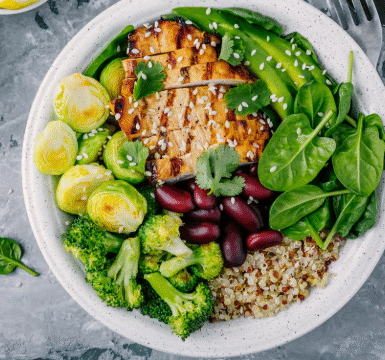
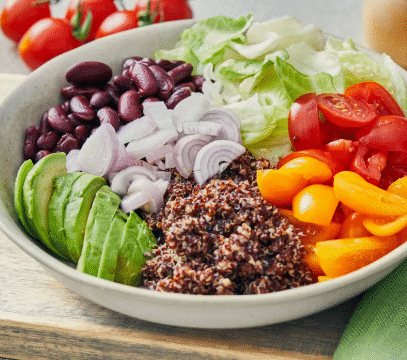
Consider a few gentle pairings that feel good and taste great. In the morning, cinnamon and cardamom in your coffee or oatmeal create a café vibe at home and invite you to add fiber-rich fruit and nuts. For lunch, cumin and coriander can make a simple quinoa bowl with roasted vegetables and a spoon of yogurt feel complete. At dinner, thyme and rosemary in a sheet-pan meal make vegetables caramelize beautifully alongside chicken or tofu. In the evening, a turmeric-ginger warm milk feels like a soft landing after a long day, and that nightly ritual can help support the kind of consistent sleep that often shows up as clearer, happier skin.
Hydration still comes first. Spices are flavor tools, not magic wands, and they work best when the rest of your routine supports them. Keep water nearby throughout the day, enjoy colorful produce, include a source of protein in each meal, and use healthy fats like olive oil, avocado, or nuts. Spices make these basics delicious, which is exactly what helps habits stick.
As with any food, pay attention to your body’s signals. If a spice feels too strong, start with a small pinch and increase slowly. If you have a known allergy or sensitivity, skip that ingredient. Some spices can interact with certain medications or health conditions, so if you have questions about your personal situation, a healthcare professional can offer guidance tailored to you. This article is for general information and enjoyable cooking ideas only.
A spice cabinet makeover is more than a kitchen chore. It’s an invitation to build tiny, daily moments that support your well-being and help your skin look its best from the inside out. Each time you lift a lid and breathe in cardamom or thyme, you’re reminded that care can be simple. Choose a few staples you love, rotate them through easy meals, and let flavor lead you toward a routine that is colorful, balanced, and kind to your skin. Over time, the collection of small, tasty choices adds up to a glow that feels natural—because it grew from meals you genuinely enjoy.