Collagen is the sturdy scaffolding that helps your skin look smooth, your joints feel supported, and your hair and nails stay resilient. Your body makes collagen on its own, but it relies on the raw materials you provide through food. That is why high-protein meals matter: they deliver amino acids such as glycine, proline, and hydroxyproline, while the supporting cast of vitamin C, copper, zinc, and antioxidants helps your cells stitch those building blocks together. With a thoughtful approach, everyday meals can be both protein-rich and collagen-savvy without feeling complicated or restrictive.
A helpful place to begin is understanding how protein becomes collagen. When you eat protein, your body breaks it down into amino acids, then reassembles those pieces into new proteins, collagen included. Glycine and proline play starring roles in this process. Foods like poultry, fish, eggs, dairy, tofu, tempeh, beans, and lentils all provide protein, while ingredients such as bone-in meats, gelatin, and bone broth are naturally rich in collagen-like components. Vitamin C from produce like citrus, bell peppers, strawberries, and leafy greens is essential because your body uses it to help form the strong triple-helix structure characteristic of collagen. Minerals like copper and zinc, found in nuts, seeds, legumes, and seafood, support enzymes involved in collagen synthesis. When you mix these elements in one meal, you create a powerful inside-out recipe for strength and glow.
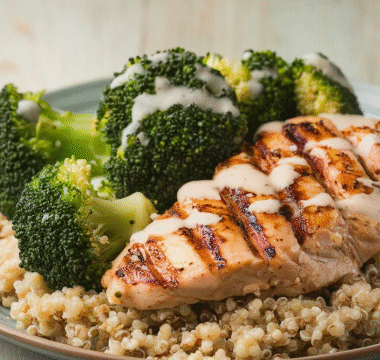
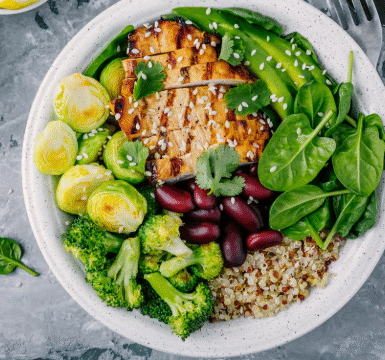
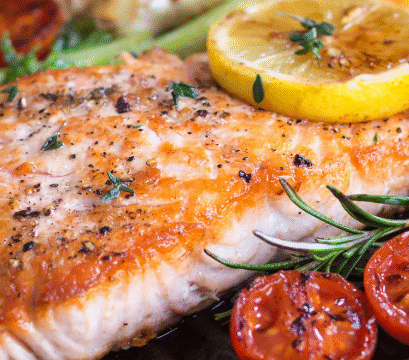
A satisfying example is a citrus herb chicken with quinoa and roasted peppers. The chicken offers complete protein and the amino acids your body needs, while the lemon or orange zest adds vitamin C to support collagen formation. Quinoa contributes additional protein and fiber, and colorful peppers deliver more vitamin C plus protective plant compounds. If you prefer fish, try a baked salmon with a side of mashed white beans and a simple tomato-cucumber salad. Salmon brings high-quality protein along with omega-3 fats that support overall wellness. White beans add extra protein and minerals, and the fresh salad supplies vitamin C and hydration to round out the plate.
Eggs deserve a special mention. The whites provide protein, and the yolks contain nutrients that support overall skin and connective tissue health. A simple meal could be soft-scrambled eggs with sautéed spinach, cherry tomatoes, and a spoonful of plain Greek yogurt on the side. The yogurt adds more protein and calcium, the spinach contributes vitamin C and copper, and the tomatoes bring additional vitamin C. This combination is quick to prepare on busy mornings yet feels complete and purposeful.
For plant-forward eaters, protein variety is key. A tofu and tempeh stir-fry with broccoli, snap peas, and a ginger-lime sauce checks many boxes. Tofu and tempeh together offer a full range of amino acids. Broccoli and snap peas add vitamin C, while a sprinkle of sesame seeds provides copper and zinc. The ginger-lime sauce not only brightens flavor but also adds a bit of vitamin C from the lime. Serve it over brown rice or high-protein noodles for a hearty, satisfying bowl that supports your body’s natural collagen work.
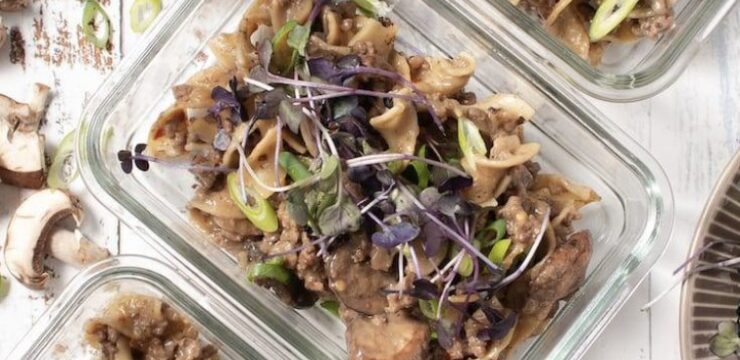
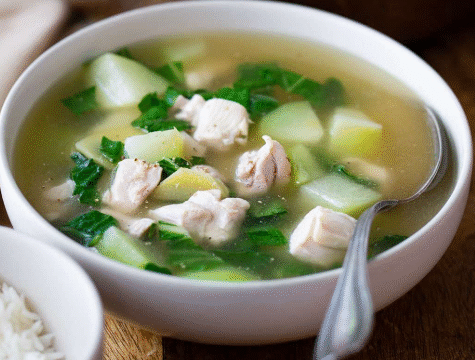
Soups and stews are another easy path to collagen-smart eating. If you enjoy bone broth, you can use it as the base for a slow-simmered vegetable and chicken soup. Add carrots, celery, onions, kale, and a handful of cannellini beans, then finish with fresh parsley and a squeeze of lemon before serving. The broth contributes collagen-like peptides, the chicken and beans boost protein, and the lemon and herbs add vitamin C and polyphenols. If you prefer a vegetarian route, make a lentil and mushroom stew and swirl in a dollop of yogurt right before eating. Mushrooms contribute savory depth, lentils bring protein and minerals, and the yogurt elevates total protein and creates a creamy texture without heavy ingredients.
Snacks can play a role, too. A bowl of cottage cheese topped with sliced strawberries and crushed almonds turns into a compact, collagen-friendly mini-meal. Cottage cheese supplies casein and whey proteins, strawberries deliver vitamin C, and almonds offer supportive minerals and healthy fats. You can achieve something similar with Greek yogurt, kiwi, and a spoon of pumpkin seeds. If you prefer savory snacks, consider hummus with bell pepper strips or edamame sprinkled with sea salt and lemon.
Texture and flavor matter when you are building a routine you can stick to. Think about small finishing touches that naturally enhance collagen support. A bright salsa of diced tomatoes, red onion, cilantro, and lime can transform grilled fish or tofu. A spoon of chimichurri made with parsley and lemon can wake up a steak, tempeh, or roasted mushrooms. Even a quick side of massaged kale with orange segments adds vitamin C and fiber while making the plate feel lively and fresh.
Hydration is another quiet hero. Collagen holds water like a sponge, so staying well hydrated helps your skin and connective tissues feel their best. Alongside protein-rich meals, sip water, infused water with citrus, or unsweetened tea throughout the day. If you like warm drinks, a cup of green tea or ginger tea pairs well with high-protein lunches and dinners and brings helpful antioxidants.
Meal prep makes all of this easier. Cook a batch of chicken breasts or tofu slabs at the start of the week with a simple seasoning like garlic, black pepper, and lemon zest. Prepare a pot of quinoa or farro and wash a variety of colorful vegetables. Keep citrus fruits on hand for quick vitamin C boosts, along with canned beans, yogurt, cottage cheese, and eggs for reliable protein. With these building blocks ready, you can assemble balanced meals in minutes without sacrificing flavor or nutrition.
It is helpful to remember that collagen support is a long game. One meal will not change everything overnight, but consistent, enjoyable eating patterns can add up. Focus on protein at each meal, include something fresh and colorful, and sprinkle in nuts, seeds, or legumes for minerals. When you feel like changing the routine, explore new herbs and marinades to keep your taste buds engaged. Smoked paprika and orange with chicken, miso and ginger with cod or tofu, rosemary and lemon with eggs and potatoes, or za’atar and yogurt with chickpeas are simple shifts that keep high-protein, collagen-savvy meals exciting.
If you are considering collagen powders or supplements, it is reasonable to approach them thoughtfully. Many people prefer building a food-first foundation and then deciding whether a supplement fits their goals and budget. If you have a health condition, allergies, or questions about your protein needs, it is always a good idea to talk with a qualified healthcare professional who can offer personalized guidance.
Bringing it all together, high-protein meals that support collagen are delicious, flexible, and practical for busy days. Pair complete proteins with vitamin C-rich produce, add mineral-dense ingredients like seeds and legumes, and flavor generously with citrus and herbs. Keep your fridge stocked with a few versatile staples and your water bottle close. Over time, this friendly, balanced approach supports your body’s natural collagen production from the inside out while making every plate something you look forward to.
This article is for general information and educational purposes only and is not medical or dietary advice. It does not replace guidance from a qualified healthcare professional, and individual needs can vary based on age, health status, activity level, and personal preferences.