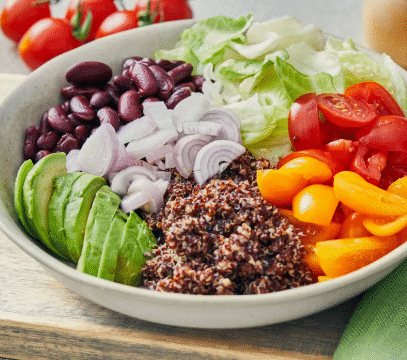
A quick grocery list for skin-loving meals can be simple, affordable, and easy to remember. The trick is to think in gentle categories rather than endless items, so you can walk through the store with confidence and fill your basket with food that supports a calm, hydrated glow. This guide keeps things friendly and doable for busy days, while avoiding lofty promises. It is not medical advice, just practical ideas to help you build a nourishing routine.
Start with color you can see from across the aisle. Bright produce brings water, vitamin C, natural antioxidants, and fiber that help your body feel balanced. Reach for a mix of berries, citrus, leafy greens, tomatoes, cucumbers, carrots, sweet potatoes, avocados, and bell peppers. If fresh is costly or out of season, frozen options are just fine. A bag of frozen blueberries, a medley of peppers, or spinach you can toss into soups and omelets will make weekday meals faster without losing the plant power your skin appreciates.
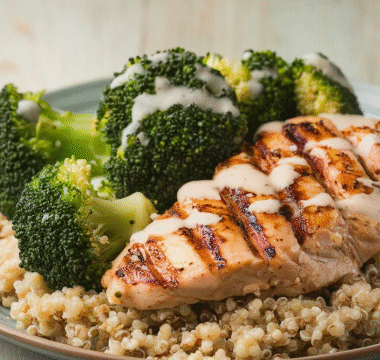
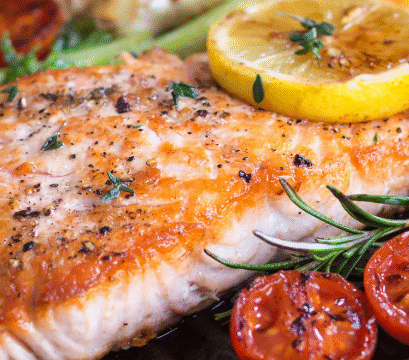
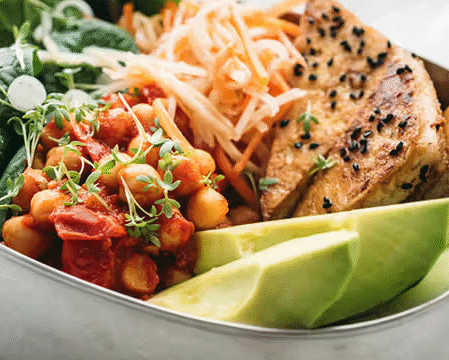
Balance color with clean protein. Protein gives structure to meals and helps you feel satisfied, which can reduce the urge to graze on ultra-processed snacks. Choose what fits your preferences and budget. Eggs are versatile and quick. Skinless chicken thighs roast beautifully for the week. Canned fish like salmon or sardines bring protein along with omega-3 fats that pair wonderfully with greens and grains. If you prefer plant-based, tofu, tempeh, and canned beans such as chickpeas, black beans, or lentils are affordable anchors for bowls and stews. Rotisserie chicken on busy nights is a practical shortcut; remove the skin, shred the meat, and add it to salads or wraps.
Invite healthy fats to the table for moisture and satisfaction. Your grocery cart only needs a few of these to transform a simple meal. Extra-virgin olive oil is lovely for dressings and low-to-medium heat cooking. Avocados add creamy texture to bowls and toast. Nuts and seeds bring crunch and a gentle dose of vitamin E, zinc, and other nutrients. Almonds, walnuts, pumpkin seeds, chia seeds, and ground flaxseed are easy to sprinkle into yogurt, oatmeal, salads, or smoothies. If you cook with a neutral oil, consider avocado oil for higher heat, then keep olive oil for finishing and flavor.
Choose steady, slow-digesting carbohydrates that play nicely with energy levels. Whole grains such as oats, brown rice, quinoa, and whole-grain pasta provide fiber that helps support a comfortable gut rhythm. Your skin benefits indirectly when you feel steady and nourished rather than spiking and crashing. Keep a loaf of true whole-grain bread on hand for quick breakfasts and sandwich lunches. Tortillas made with whole grains or corn can turn last night’s veggies into this morning’s breakfast wrap.
Add fermented or cultured foods to round out your list when available. Plain yogurt with live cultures, kefir, kimchi, sauerkraut, miso, and tempeh bring tang and depth to your meals. You only need a small amount, but these add-ons can make a simple bowl feel special while giving your menu variety. If you choose yogurt, go unsweetened and add your own fruit and a drizzle of honey to keep the sugar gentle.
Now visit the herb and spice rack. Flavor is your best friend when you are building habits that last. Fresh herbs like cilantro, basil, mint, and parsley turn a quiet dish into something bright. Dry spices such as turmeric, cumin, paprika, cinnamon, garlic powder, onion powder, oregano, and black pepper help you cook quickly without reaching for heavy sauces. A squeeze of lemon or lime at the end of cooking adds a sparkling finish and pairs well with olive oil and a pinch of salt.
Do not forget simple hydration. Plain water is still the star, but there are fun ways to keep it interesting. Pick up tea bags for green tea, chamomile, peppermint, or rooibos. Add a small bag of lemons or limes for light infusions. If you enjoy sparkling water, choose the unsweetened kind so the habit stays easy on your routine. Soups and brothy meals also contribute to hydration; a low-sodium boxed broth can help you assemble a quick soup after work with leftover vegetables and protein.
Stock a smart pantry that makes everything else faster. Keep canned tomatoes for sauces and stews, canned beans for last-minute bowls, and a small selection of vinegars like apple cider, balsamic, or rice vinegar to build dressings. Dijon mustard, tahini, and natural nut butter turn into creamy sauces with only water and lemon. Honey adds delicate sweetness when you want balance without relying on heavy syrups. A jar of capers or olives can deliver a burst of flavor when dinner needs personality.
With these categories in your head, a weekly shop becomes wonderfully short. Picture a basket with one or two leafy greens, two to three colorful vegetables, two fruits you truly enjoy, one protein to cook and one ready-to-eat protein, a whole grain you like, one or two healthy fat toppers, a fermented item, and a small handful of flavor boosters. That is it. You are building meals, not chasing perfection. This pattern covers breakfasts, lunches, snacks, and dinners with minimal stress.
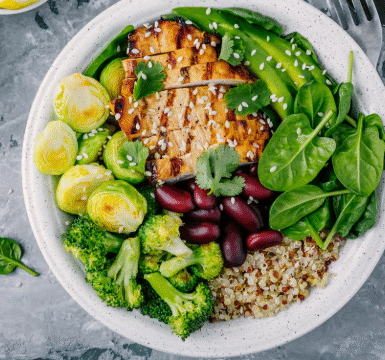
Here is how those ingredients might come together in real life. Breakfast can be oats cooked with water or milk, folded with chia seeds, cinnamon, and a spoon of yogurt, then topped with berries. Lunch can be a grain bowl of brown rice or quinoa layered with cucumbers, tomatoes, shredded rotisserie chicken or chickpeas, a few avocado slices, and a lemon-olive oil dressing. An afternoon snack might be an apple with peanut butter, or yogurt with ground flaxseed and a drizzle of honey. Dinner can be sheet-pan roasted vegetables, seasoned with garlic and paprika, plus tofu or salmon baked alongside. Finish with a bright herb and a squeeze of citrus. Leftovers become tomorrow’s lunch with almost no effort.
If you are cooking for the week, think of time in clusters. Roast a tray of sweet potatoes and carrots while simmering a pot of rice. Hard-boil a few eggs and rinse a can of chickpeas. Chop cucumbers and bell peppers, then store them in clear containers so you remember to use them. Whisk a quick dressing by shaking olive oil, lemon, Dijon, and a pinch of salt in a small jar. These small moves on a quiet evening save you from last-minute takeout and keep your skin-friendly plan on track.
Budget matters, and there are easy ways to keep costs gentle. Buy seasonal produce because it is often fresher and cheaper. Choose store brands for basics like oats, rice, and frozen vegetables. Plan two or three repeating meals rather than seven different ones. Canned and frozen staples are your allies, not your compromises. A single bag of brown rice, a dozen eggs, a large tub of plain yogurt, and a sack of oranges can anchor many days of calm eating.
Consistency is kinder than intensity. You do not need a perfect list to support your skin; you just need a dependable pattern that fits your routine. As you shop each week, notice what you actually finish and what lingers. Adjust your list to your own tastes, your cultural comfort foods, and your schedule. If you travel or work late, choose more ready-to-eat items like pre-washed greens, canned fish, precooked grains, and cut fruit. If you love to cook, try a new herb or spice each week to keep things fun.
Finally, keep your expectations realistic and gentle. Food is one part of a bigger picture that includes sleep, movement, stress management, and skincare basics. A colorful, balanced grocery basket can support how you feel from the inside while making weeknights simpler. Start small, repeat what works, and celebrate the meals you actually enjoy. If you have specific health concerns or allergies, consider checking with a qualified professional for personalized guidance. For everyday life, this quick approach to shopping sets you up for skin-loving meals that feel easy, bright, and delicious.