Athletes and runners ask a lot of their bodies, and the skin is part of the story. Sweat, sun, friction, and frequent showers can leave skin feeling stressed just when you want it to look calm and resilient. Inside-out skincare means you support your skin from the kitchen, the water bottle, and your daily routines, not just from what you put on top. With a few smart habits, you can nourish your complexion while you train hard and recover well.
Why training shows up on your skin
Your skin is an active, living barrier that responds to heat, sweat, UV exposure, and the fuel you choose. Long runs and intense sessions increase evaporative water loss, which can make skin feel tight. Sweat and sunscreen can mingle on the surface and clog pores if they aren’t washed away. Repeated chafing can irritate the barrier. None of this is a reason to train less; it simply means building a routine that gives your skin the same thoughtful care you give your workouts.
Hydration that actually helps your skin
Water is the foundation, but timing matters. Aim for steady sipping through the day rather than a single big chug before a run. If your sessions last longer than an hour or take place in heat or humidity, consider adding electrolytes from foods or a light beverage to replace sodium and potassium lost in sweat. Fruits with high water content, such as oranges and watermelon, pair hydration with skin-friendly vitamin C. After training, keep fluids going for a few hours to support the skin’s natural recovery. Well-hydrated skin looks smoother because the barrier holds on to moisture more effectively.
Carbs, protein, and healthy fats for a calm complexion
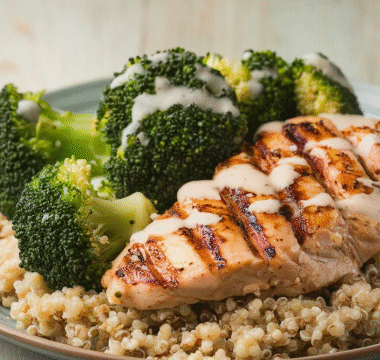
Performance nutrition and skin nutrition can live on the same plate. Carbohydrates help you train and recover; choosing mostly slow-digesting options like oats, quinoa, brown rice, and sweet potatoes can support steady energy without the spikes and crashes that some people notice on their skin. Protein gives your body the building blocks it needs for muscle and for the collagen found in skin. Think eggs, fish, tofu, Greek yogurt, lentils, and lean meats. Healthy fats from olive oil, avocado, nuts, and seeds add vitamin E and support the skin’s moisture barrier. Small amounts spread through the day can keep your meals satisfying and your skin more comfortable.
Collagen-support nutrients without the hype
Your body makes its own collagen, and it needs a team of nutrients to do it well. Vitamin C from citrus, berries, and bell peppers plays a central role. Copper and zinc from seeds, beans, seafood, and whole grains also contribute to normal connective tissue. You may see claims about single miracle ingredients; in real life, a balanced diet is the quiet hero that helps your skin look strong and feel supple.
Antioxidants for sun, sweat, and city life
Training outdoors is wonderful, and it can increase exposure to UV light and urban pollution. Colorful plant foods bring antioxidants that help the body manage everyday oxidative stress. Tomatoes and tomato paste provide lycopene; carrots and leafy greens bring beta-carotene; berries offer anthocyanins. Tea and cocoa provide polyphenols that many athletes enjoy in simple routines, like a mug of green tea after a run. There’s no need to chase perfect; think of variety across your week rather than the pressure to eat every color in every meal.
Omega-3s for balanced comfort
Fatty fish such as salmon, sardines, and mackerel supply omega-3s that support general wellness. Plant options include chia, flax, and walnuts. Many athletes find these foods help them feel satisfied after training, which can indirectly support skin by reducing the temptation to rely on ultra-processed snacks. If you do enjoy packaged options, try to pair them with fruit or yogurt to keep balance on your side.
The gentle gut–skin connection
Your gut and skin communicate in subtle ways, and many people notice their complexion feels clearer when their digestion is regular and comfortable. Fermented foods such as yogurt, kefir, kimchi, and sauerkraut can be an easy add to a training diet. Fiber from oats, beans, fruits, and vegetables keeps things moving. Hydration and a little magnesium from foods like pumpkin seeds, spinach, and dark chocolate can round out a gut-friendly routine. The goal isn’t perfection; it’s consistency.
Pre-run, mid-run, and post-run choices
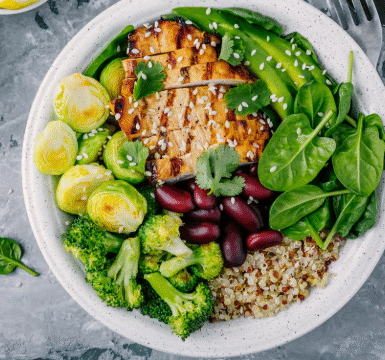
Before a run, choose a light meal or snack that you know sits well. Banana with yogurt, toast with nut butter, or a small bowl of oatmeal are popular because they are gentle and reliable. During longer runs, simple carbs that you have practiced with can prevent the kind of depletion that leaves skin and body feeling drained later. After you finish, look for a balanced plate within an hour or two: a source of protein for repair, carbs to replenish, and produce for vitamins and hydration. A rice bowl with grilled salmon and greens, or lentils with roasted vegetables and olive oil, are practical examples you can adapt to your taste.
Sweat-smart cleansing without over-stripping
After training, rinse sweat and sunscreen with lukewarm water and a mild, fragrance-free cleanser. Hot water and harsh scrubs can remove too much of the skin’s natural oils, which may lead to dryness or a compensatory increase in oil for some skin types. Pat dry, then apply a simple moisturizer while skin is slightly damp. In the morning or before outdoor sessions, a broad-spectrum sunscreen is your best friend. Reapply as directed, especially for long runs or midday training. If you’re prone to chafing, apply a protective balm in high-friction areas before you head out, and change out of damp clothing soon after workouts to keep the skin surface comfortable.
Barrier care on busy training weeks
On heavy mileage weeks, reduce the number of new products you test. A streamlined routine helps you identify what truly supports your skin. Cleanse gently, moisturize, protect from the sun, and save exfoliation for an easy day, using a mild product that your skin already tolerates well. If you shave, do so after a shower when hair is soft, and use a soothing lotion afterward. For those who wear makeup, look for non-comedogenic labels and remove makeup before training whenever possible.
Sleep, stress, and schedule
Recovery is visible on your skin. Consistent sleep supports the body’s nightly repair rhythms, including processes that help the barrier function well. If evening training leaves you wired, consider a cooldown ritual that signals bedtime, such as a warm shower, light snack with protein and complex carbs, and a few minutes of relaxed breathing. Managing everyday stress with short walks, gentle stretching, or journaling can also show up as a calmer-looking complexion over time.
Race week and travel
Travel, early wake-ups, and new climates can nudge skin off its routine. Pack travel sizes of your go-to cleanser, moisturizer, sunscreen, and a lip balm. Drink water on travel days and add a piece of fruit or yogurt for easy hydration and vitamin C. If the air is dry, a thicker nighttime moisturizer can help your skin feel settled. Keep meals familiar before a race to avoid digestive surprises that can affect how you feel on the start line.
A simple day on the plate
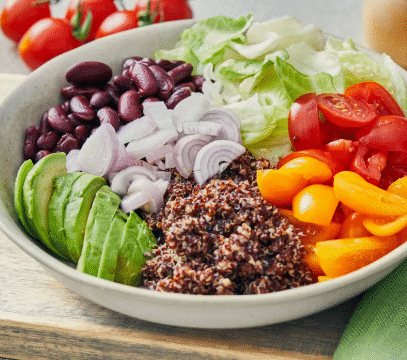
Breakfast might be overnight oats made with milk or yogurt, topped with berries and chia. Lunch could be a quinoa and roasted vegetable bowl with chickpeas and olive oil. An afternoon snack might be an orange and a handful of almonds. Dinner could be baked salmon or tofu with sweet potato and sautéed greens. Through the day, sip water and add electrolytes around longer or hotter workouts. This is just one example; your preferences and traditions matter, and the best plan is the one you enjoy and repeat.
Building a routine you can trust
The most skin-friendly routine is the one you stick with. Aim for meals built around whole foods, steady hydration, sun protection, and gentle cleansing. Notice how your skin feels in different seasons, and adjust your routine as your training changes. Keep a simple note in your phone about what works, from snacks that settle well to the moisturizer that never stings after a sweaty session. Over time, these small observations add up to a calm, confident, athlete-ready glow.
Friendly reminder
This article is for general, educational purposes only and isn’t a substitute for professional advice. If you have specific skin conditions, allergies, or health questions, consider checking with a qualified healthcare professional or dermatologist.