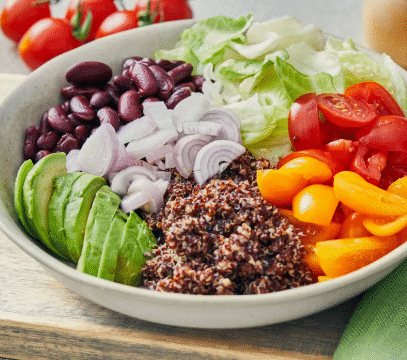
A well-planned pescatarian approach can feel like a gentle daily ritual for your skin. Centered on seafood, plants, and good fats, it offers a steady stream of nutrients that are commonly linked with a calm, hydrated, and resilient complexion. Think of it as a friendly framework rather than a strict rulebook: colorful produce, quality seafood a few times a week, whole grains, legumes, nuts, seeds, and olive oil. With a little planning, these plates come together quickly and taste fresh, bright, and satisfying.
Why seafood shows up so often in skin-friendly menus comes down to a few familiar stars. Fatty fish provide omega-3 fatty acids that support the skin’s moisture barrier and help it look less stressed. Many fish and shellfish also bring gentle doses of zinc and selenium, minerals that play behind-the-scenes roles in maintaining normal skin function. Add vitamin E from extra-virgin olive oil and nuts, vitamin C from citrus and peppers, and a rainbow of polyphenols from vegetables and herbs, and you have a balanced base that complements good sleep, smart sun care, and consistent hydration.
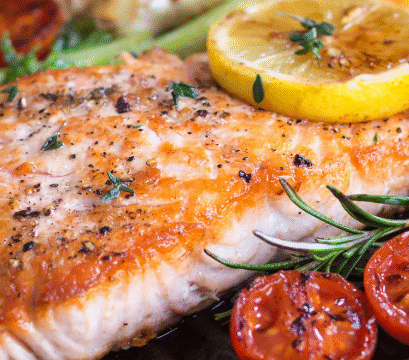
Start with salmon, sardines, mackerel, or trout when you want the richest omega-3s. These fish carry a naturally silky texture and respond beautifully to simple methods. A quick marinade of lemon, garlic, and olive oil followed by a brief roast keeps the flesh tender and the flavors clean. If fresh fillets are out of reach, tinned options like sardines and mackerel are reliable, affordable, and surprisingly versatile. Mash them with a squeeze of lemon and a tiny spoon of plain yogurt for a spread that feels light yet satisfying, then nestle onto toasted whole-grain bread with thinly sliced cucumber. That combination delivers protein, healthy fats, and hydrating crunch in minutes.
Shellfish add another layer of interest. Mussels steam open in a fragrant broth in less than ten minutes, creating a bowl that tastes far more complex than the effort required. Simmer shallots and garlic in olive oil, splash in white wine or vegetable stock, add chopped tomatoes, then tumble in the mussels and a handful of parsley. The broth invites dipping with whole-grain baguette, and the mussels contribute gentle mineral notes that round out a skin-friendly dinner. Clams, shrimp, and crab offer similar ease; when you want something bright, toss shrimp with olive oil, paprika, and lemon zest, pan-sear quickly, and serve alongside a crisp fennel and orange salad.
Sea vegetables are an underrated companion in pescatarian cooking. Sheets of nori, flakes of dulse, or ribbons of wakame can bring trace minerals and a savory lift to everyday plates. Stir a little into brown rice, scatter onto avocado toast, or float in a simple miso soup with tofu and spinach. The soup’s warmth encourages you to slow down, and the light broth contributes to your hydration goals, which is still one of the most practical ways to keep skin looking smooth and comfortable.
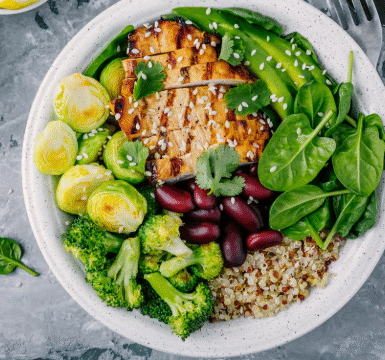
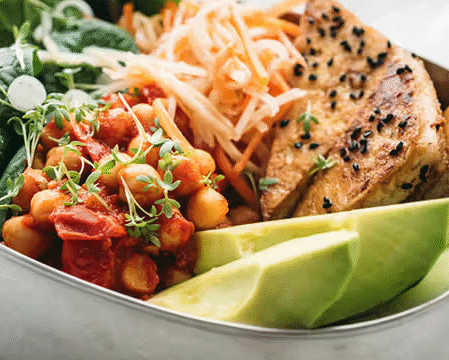
Round your plate with plants that naturally support your glow. Build a base of leafy greens such as arugula or spinach, then add roasted peppers, cherry tomatoes, and thin shavings of carrot for crunch and color. Spoon on a lemon-olive oil vinaigrette to tie everything together. Citrus offers vitamin C, which supports normal collagen formation in the body; olive oil brings vitamin E and a pleasant silkiness that makes vegetables feel luxurious rather than obligatory. A sprinkle of pistachios, walnuts, or pumpkin seeds adds texture and delicate richness without weighing the salad down.
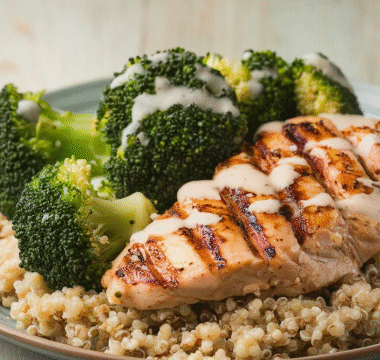
Whole grains and legumes keep your energy steady and your complexion calm through the day. Quinoa, farro, and brown rice play well with seafood, carrying sauces and juices without getting soggy. For lunch that holds up in a container, toss white beans with flaked tuna, chopped parsley, capers, celery, and a lemony dressing. The mix is sturdy, bright, and ready in twelve minutes. If you want a cozy bowl for the evening, fold grilled salmon into warm quinoa with wilted spinach, a few halved olives, and a spoon of roasted red pepper purée. The result is creamy and full yet still light enough to leave you comfortable.
Cooking methods make a difference in how skin-friendly a plate feels. Gentle heat helps preserve delicate fats and keeps flavors clean. Baking, steaming, poaching, and quick searing are easy wins for weeknights. Try cod baked in parchment with lemon slices, herbs, and a drizzle of olive oil. The steam softens the fish and captures fragrant juices you can pour over steamed asparagus or sautéed zucchini. When searing, preheat your pan, lay the fish skin-side down, and let it crisp undisturbed before a final minute on the other side. That little bit of patience rewards you with a delicate crust that contrasts with the flaky interior.
If you enjoy the ritual of a Sunday prep, a pescatarian plan is very manageable. Roast a tray of vegetables, cook a pot of grains, and make a simple dressing you love. Keep portions of cooked fish for one to two days in the refrigerator, and lean on tinned fish later in the week. Store dressings in glass jars, add citrus just before serving, and refresh greens with a quick rinse and thorough spin. When everything is prepared, you can assemble bowls and salads in minutes, which makes it easier to choose nourishing options on your busiest days.
Flavor boosters keep things exciting and often add skin-supportive compounds of their own. Fresh herbs like dill, basil, cilantro, and parsley bring antioxidants and a garden-bright finish. Garlic and ginger offer warmth and depth. Citrus peel delivers aroma along with a whisper of bitterness that wakes up your palate. A spoon of plain yogurt can soften a spicy sauce, while a dab of mustard adds snap to dressings. Keep salt moderate and let acidity lead; your food stays lively without feeling heavy.
For a day that aims at smooth, supple skin without feeling strict, begin with a breakfast of Greek yogurt topped with sliced kiwi, a few berries, and a spoon of crushed walnuts. At lunch, pack that tuna-white bean salad with a side of arugula and cherry tomatoes. In the afternoon, nibble crisp veggies with hummus and sip water or unsweetened tea. Dinner might be baked salmon with lemon quinoa and sautéed greens, followed by a few pieces of orange for a sweet, hydrating finish. The meals are simple, and the ingredients repeat in different ways, which keeps your list short and your kitchen calm.
Sustainability and variety matter for both the planet and your long-term enjoyment. Look for options rated well by reputable seafood guides, rotate among species, and include plenty of plant diversity on your plate. If certain fish are not available or are outside your budget, lean on local choices and tinned varieties. The goal is consistency, not perfection. Even two or three seafood meals per week, supported by colorful produce and whole foods, can make your pescatarian pattern feel doable and delightful.
Finally, a kind reminder about balance. Food is only one piece of the skin story, alongside sunscreen, gentle cleansing, restful sleep, movement, and managing everyday stress. If you have specific health concerns, allergies, or dietary needs, speak with a qualified professional for personalized guidance. Otherwise, let your pescatarian plates be a relaxed practice: simple methods, fresh ingredients, and flavors that make you want to cook again tomorrow. With that spirit, the path to smooth, supple skin can feel less like a plan and more like a pleasure.