If you work while the world sleeps, your skin is doing its best to keep up. Late hours, bright indoor lighting, irregular meals, and short naps can all nudge your body clock out of sync. The good news is that with a few gentle adjustments to how you eat, hydrate, and rest, you can support calmer, brighter, more resilient skin even on rotating or permanent night shifts. Think of this as a practical guide you can adapt to your schedule, not a strict rulebook.
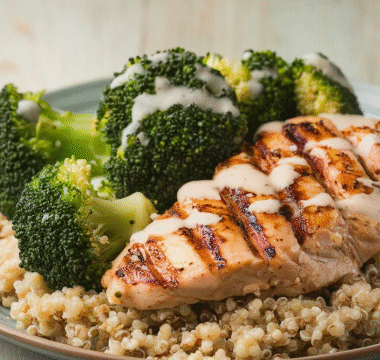
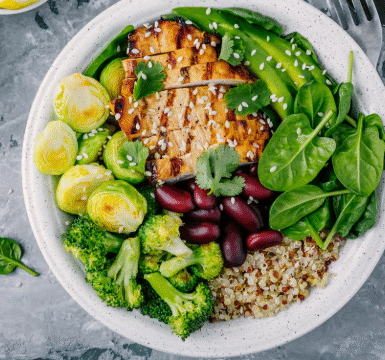
Start with steady fuel. Skin cells are active at night with repair and renewal, so a nourishing pre-shift meal can help. Aim for a plate that feels balanced and satisfying rather than heavy. Many night shift workers do well with a combination of slow-release carbohydrates, a lean protein, colorful produce, and a little healthy fat. For example, a bowl of quinoa with grilled chicken, roasted peppers, and a spoon of avocado offers fiber, amino acids, vitamin C, and skin-loving monounsaturated fats. If you prefer plant-based options, try lentils with brown rice, spinach, and a drizzle of olive oil. The goal is a steady energy curve that does not crash two hours into your shift or feel too rich to digest comfortably.
Hydration is your quiet hero. Indoor air and long hours can dehydrate skin from the inside out, so keep water within reach. Many people find it helpful to take regular small sips instead of chugging a large amount at once. If plain water gets boring, infuse it with a slice of citrus or cucumber, or rotate with unsweetened tea. Lightly salted broths and electrolytes can be useful on hot, active nights, but choose options with moderate sodium and without added sugars. Well-hydrated skin appears smoother and feels more comfortable, and steady fluids also help you manage caffeine without jitters.
Speaking of caffeine, timing is everything. Caffeine can be a helpful alertness tool early in the shift, but it can linger and make daytime sleep harder. Consider enjoying coffee or tea in the first half of your shift and tapering off several hours before you plan to sleep. If you miss the ritual, switch to decaf or a naturally caffeine-free tea later on. Your skin benefits when your sleep is deeper and more consistent, because well-rested skin handles redness, dryness, and dullness more gracefully.
Night shift snacks can be kind to your skin and your stomach. Choose options that feel light but nourishing, such as plain yogurt with berries, apple slices with peanut butter, carrot sticks with hummus, a small handful of nuts, or a banana with a spoon of chia pudding. These combinations bring a mix of fiber, healthy fats, and antioxidants that help you feel steady. If cravings hit, it often means you need more protein or a little more complex carbohydrate in your pre-shift meal, so adjust gently rather than pushing through hunger with sugary energy spikes.
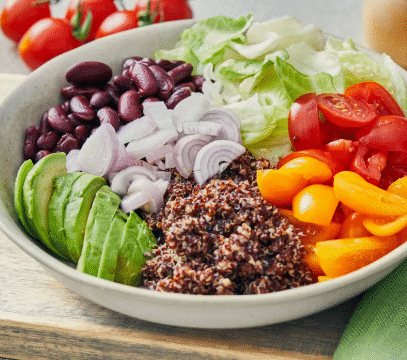
Antioxidants are your skin’s friends when you spend hours under bright lights and air conditioning. Colorful fruits and vegetables provide vitamin C, polyphenols, carotenoids, and other plant compounds that support glow. Add tomatoes, bell peppers, citrus, berries, leafy greens, and sweet potatoes to your meals when you can. Omega-3 fats from fish like salmon or from flax, chia, and walnuts can also support a balanced look in skin. If your schedule makes fresh cooking hard, keep frozen produce on hand; it is nutrient-rich and quick to prepare.
Consider a simple, soothing skin routine that matches your hours. After work, gently cleanse to remove sweat and residue. Follow with a fragrance-free moisturizer that focuses on barrier support with ingredients like ceramides, glycerin, or hyaluronic acid. If you commute home after sunrise or run errands during the day, apply a broad-spectrum sunscreen to protect against UV exposure. At night, before heading to work, a light cleanse and a thin layer of moisturizer can protect against dry indoor air. Keep it consistent and uncomplicated so it is easy to repeat even when you are tired.
Protecting your body clock helps your complexion. Your skin has its own rhythm, and it responds well when cues are predictable. Use light in your favor: during your shift, bright, cool light can help you feel alert; when you head home, sunglasses can reduce morning light and make it easier to wind down. In your sleep space, aim for a cool, dark, quiet environment. Blackout curtains, a fan or white noise machine, and a consistent temperature can signal rest to your body. Create a short wind-down ritual that you repeat most days, such as a warm shower, a few pages of reading, and deep breathing. Even fifteen to twenty minutes of a calming routine can help your mind shift from work mode to sleep mode.
Naps can be helpful if your schedule allows. A short nap before your shift, kept to about twenty to thirty minutes, can take the edge off fatigue without creating grogginess. If you are on a long break during the night, a brief nap can refresh you, but be sure to leave enough time between that nap and your final commute so you feel fully awake for the road and ready for deeper sleep later. Skin often looks more even when your sleep is more regular, even if your total hours are split across naps and core sleep.
Plan your end-of-shift meal with sleep in mind. A heavy breakfast right before bed can interfere with rest, but a small, comforting bite can help you relax. Consider a cup of warm milk or a dairy-free alternative paired with a piece of whole-grain toast and almond butter, or a small bowl of oatmeal with sliced banana. Keep spices gentle and avoid very spicy or high-sugar options right before lying down. If heartburn tends to visit, finish eating at least an hour before you sleep and elevate your head slightly.
On days off, be kind to your transitions. Rapidly switching your schedule every few days can feel hard on your skin and energy. If you can, shift gradually rather than swinging from a night schedule straight into a normal daytime routine. Keep meals steady, hydrate consistently, and keep your wind-down steps familiar. Your skin appreciates calm, predictable inputs, and that includes your social calendar when possible.
Stress management wraps all of this together. Night work can be busy and high pressure, and stress shows up on the face as tension, breakouts, or redness. Gentle movement, stretching, or a short walk before or after a shift can release tension and support circulation. Calming practices like journaling or mindful breathing can help you process your day so your body can focus on repair when you rest. Even five minutes matters when it becomes a daily habit.
Meal prep can take the pressure off a packed week. Set aside a bit of time to assemble a few grab-and-go options that travel well and reheat quickly, such as grain bowls, soups, and baked proteins with vegetables. Pack sauces separately so textures stay fresh. Keep a small kit at work with a refillable bottle, cutlery, and a few shelf-stable snacks like unsalted nuts or whole-grain crackers so you always have a steady option within reach.
Finally, remember that small, steady steps add up. Your skin reflects your daily patterns, not one perfect day. A balanced pre-shift meal, thoughtful caffeine timing, consistent hydration, gentle skincare, a dark, cool room for sleep, and simple stress-relief moments can together make a visible difference. Give yourself patience and room to experiment. Every workplace and body is different, and your routine can evolve with your shifts and seasons.
This article is for general informational purposes only and is not medical advice. If you have a health condition, concerns about your skin, or questions about nutrition and sleep, consider speaking with a qualified professional who can support you personally.