Salads have come a long way from being just a side dish or a bowl of greens with a light drizzle of dressing. Today, they can stand proudly as satisfying, protein-rich meals that fuel the body and taste just as indulgent as traditional comfort food. Whether you’re looking to build muscle, stay full longer, or simply adopt a balanced diet, learning how to create salads with 30 grams or more of protein can be a game changer.
The best part is that high-protein salads don’t need to be complicated. With a bit of know-how and thoughtful ingredient choices, you can turn almost any salad into a complete, hearty, and nourishing dish that supports your health goals without sacrificing flavor or enjoyment.
Why Focus on 30 Grams or More of Protein in a Salad
Protein is essential for many functions in the body. It helps maintain and repair tissues, supports hormone production, strengthens the immune system, and plays a major role in muscle growth and recovery. For most active adults, aiming for 20 to 30 grams of protein per meal is ideal. By reaching or exceeding the 30-gram mark in a single salad, you’re ensuring your body gets a solid nutritional foundation to stay energized and satisfied for hours.
Another important reason to add more protein to your salads is to prevent hunger soon after eating. If you’ve ever felt hungry an hour after a “healthy” salad, it likely lacked sufficient protein and healthy fat. A well-balanced high-protein salad can curb cravings and help regulate blood sugar, making it easier to stay on track with your wellness goals.
Key Components of a Protein-Packed Salad
At the heart of every high-protein salad is, of course, the protein source. For a salad to reach 30 grams of protein or more, the main ingredient needs to be carefully chosen and properly portioned. Cooked chicken breast is a common favorite, offering about 26 to 30 grams of protein per 4-ounce serving. Other excellent sources include grilled steak, turkey breast, salmon, tuna, tofu, tempeh, hard-boiled eggs, shrimp, and legumes like lentils or chickpeas.
If you’re plant-based, combining a few ingredients can help you reach that protein threshold. For instance, a mix of quinoa, black beans, edamame, and sunflower seeds can collectively provide over 30 grams of protein when portioned appropriately.
The base of your salad is also important, though it won’t typically contribute much protein. Dark leafy greens like spinach, kale, arugula, and romaine are great for adding vitamins and fiber, which improve digestion and overall satisfaction. They also create a vibrant, colorful base that pairs well with various textures and flavors.
Don’t forget healthy fats and toppings. Adding ingredients like avocado, olive oil, nuts, or seeds can support nutrient absorption and improve taste and mouthfeel. These fats help the body absorb fat-soluble vitamins like A, D, E, and K found in the greens and vegetables. While they don’t usually contribute large amounts of protein, some nuts and seeds do help push your protein count higher.
Expert Tips to Boost Protein Without Overdoing Calories
One of the best tips for creating high-protein salads is to cook your proteins in advance. Having pre-cooked chicken, hard-boiled eggs, or a batch of seasoned tofu in the fridge makes it easier to throw together a nutrient-dense salad on busy days. Prepping ahead also helps with portion control, making it easier to track protein content and calories.
Choose lean proteins if you’re watching fat intake. Grilled chicken breast, tuna packed in water, or plant-based proteins like tempeh are excellent options. For a vegetarian boost, adding a scoop of cottage cheese or Greek yogurt as a creamy dressing alternative is both inventive and effective. These dairy options are rich in protein and add a creamy texture that blends beautifully with crisp greens and roasted vegetables.
Using legumes is another way to add protein and fiber together, making your salad even more filling. One cup of cooked lentils or chickpeas provides about 15 grams of protein. Combine that with other sources like quinoa or an egg, and you’ll easily reach the 30-gram target.
Watch out for dressings that are high in sugar or saturated fat. Many store-bought salad dressings, though flavorful, can undermine the nutritional benefits of your meal. Opt for simple dressings made from olive oil, lemon juice, vinegar, mustard, and herbs. You can even blend hummus or Greek yogurt with herbs and spices to create protein-rich dressings that elevate both flavor and nutritional value.
Portioning is important. Many people underestimate the amount of protein they actually need in a single meal. If you’re adding chicken, for example, measure out at least four ounces to ensure you’re getting close to 30 grams. Pair that with other sources like seeds or grains to reach your goal without overloading your plate with one ingredient.
Easy Ideas for High-Protein Salads
Imagine a grilled steak salad with cherry tomatoes, mixed greens, roasted sweet potatoes, and pumpkin seeds. Four ounces of grilled steak offers around 28 grams of protein, and a tablespoon of seeds can contribute a few more, pushing your salad above the 30-gram threshold.
Or consider a Mediterranean-inspired bowl with grilled chicken, quinoa, cucumber, olives, tomatoes, feta cheese, and a drizzle of lemon-olive oil dressing. The quinoa adds plant-based protein and fiber, while the chicken and cheese round out the total protein content.
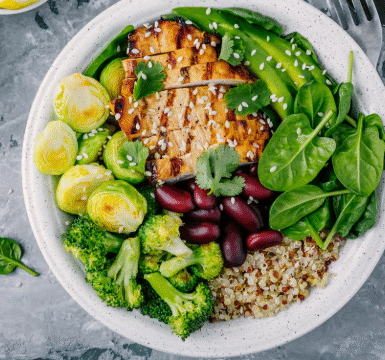
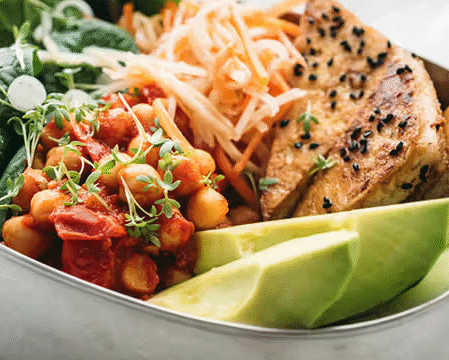
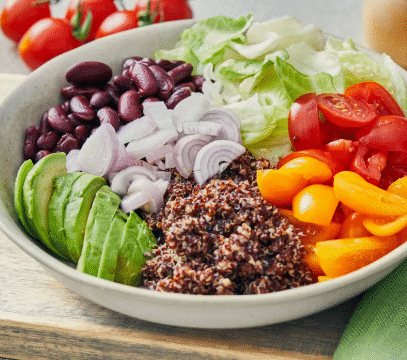
A plant-powered option might include a mix of edamame, quinoa, black beans, avocado, kale, and sunflower seeds. With proper portions, this salad can meet and exceed the 30-gram goal while delivering plenty of vitamins, minerals, and fiber.
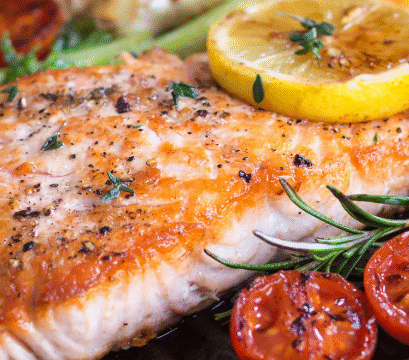
For seafood lovers, a salad with grilled salmon, arugula, avocado, roasted chickpeas, and a yogurt-dill dressing makes for a delicious and nourishing meal that’s high in omega-3s as well as protein.
Balancing Flavor, Texture, and Nutrition
A truly great high-protein salad doesn’t just hit its protein goal—it also delights the senses. Combining warm and cool ingredients, crunchy and creamy textures, and tangy and savory flavors keeps your salads exciting and satisfying. Roasted vegetables, toasted nuts, fresh herbs, and seasonal fruits like berries or apples can add complexity and balance without overshadowing the protein component.
Texture plays a bigger role in enjoyment than many people realize. Adding a crunchy element like roasted chickpeas or seeds can make a salad feel more substantial, while creamy ingredients like avocado or yogurt-based dressings add richness.
Conclusion
Creating high-protein salads with 30 grams or more of protein is not only achievable but can also be a delicious way to nourish your body. With thoughtful planning and ingredient selection, salads can easily become your go-to meal for energy, fullness, and overall well-being. Whether you’re a meat lover, a plant-based eater, or somewhere in between, there are countless combinations to explore.
Making protein the focus of your salad ensures you’re building a meal that supports your health goals while keeping things fresh, tasty, and satisfying. With a little creativity and the right ingredients, every salad can be a high-protein powerhouse you’ll actually look forward to eating.