Pizza is often seen as a guilty pleasure, a comfort food reserved for weekends or cheat days. But what if pizza could be part of a balanced, protein-packed lifestyle? With a few thoughtful choices, it absolutely can. High-protein pizza is not only possible—it’s delicious, satisfying, and can easily fit into a health-conscious routine.
Protein plays a key role in helping you feel full, build and maintain muscle, and support overall metabolic health. Traditionally, pizza is heavy on carbohydrates and fat, but lighter on protein. However, with some smart swaps and creative toppings, you can transform this classic dish into a meal that’s both flavorful and nutrient-rich.
One of the easiest ways to boost the protein content in your pizza is by starting with the crust. A high-protein base sets the foundation for a balanced meal. Many grocery stores now offer crusts made from chickpeas, lentils, quinoa, or high-protein wheat flour. These crusts typically contain more fiber and protein than traditional options and often include between 10 to 20 grams of protein per serving.
For a homemade approach, try making a crust with Greek yogurt and whole wheat flour or almond flour. You can also experiment with cauliflower crusts that incorporate cheese or egg for added protein. These alternatives offer fewer empty carbs and help keep you fuller longer.
Once your crust is ready, the next step is to consider the sauce. While tomato sauce itself is not a major source of protein, it serves as a great base to build on. For an added boost, mix in some finely ground cooked lentils or cottage cheese. This may sound unusual, but blended into the sauce, these additions are nearly undetectable in flavor while increasing the protein value.
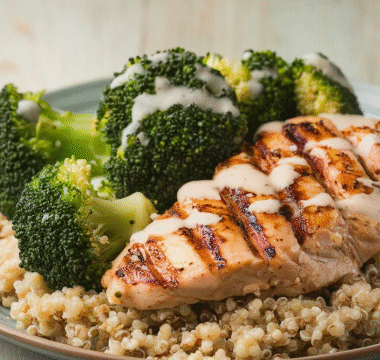
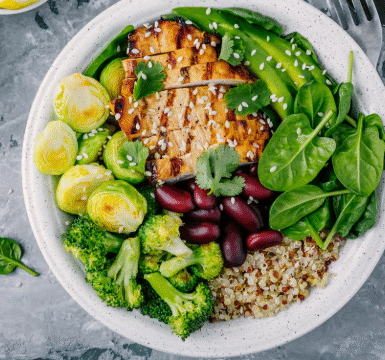
Toppings are where high-protein pizza really shines. Lean meats are a natural choice and provide substantial protein without excessive fat. Grilled chicken breast is a popular pick, offering over 25 grams of protein per 3-ounce portion. Turkey sausage or turkey pepperoni offer traditional pizza flavors with less saturated fat than their pork counterparts.
Eggs can be an unexpected but delightful addition to pizza, especially on breakfast-style versions. A cracked egg baked on top adds flavor and nutrients, while also contributing around 6 grams of protein. For a vegetarian-friendly choice, consider eggs combined with spinach and feta for a Mediterranean-style pie.
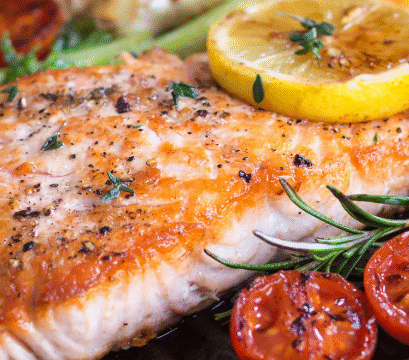
Seafood lovers can get creative with shrimp, anchovies, or smoked salmon. Shrimp offers lean protein and cooks quickly in the oven. Anchovies, though salty, are packed with flavor and protein in small servings. Smoked salmon pairs beautifully with cream cheese, capers, and red onions for a gourmet twist on pizza.
If you’re plant-based or just looking to cut down on animal products, plant proteins can still be the star. Tofu, tempeh, and plant-based meat crumbles cook well on pizza and absorb seasoning beautifully. Tofu can be marinated in garlic and herbs and crumbled across the pizza before baking. Tempeh, known for its nutty flavor, can be thinly sliced or grated as a topping.
Beans are another unexpected protein-rich topping. Black beans, white beans, or chickpeas can be lightly mashed and spread over the crust or sprinkled on top. Combined with veggies and spices, they offer a hearty bite and bring extra fiber to the meal.
Cheese is a staple of any good pizza, and it also contributes a solid amount of protein. Mozzarella is the classic choice, with about 6 to 7 grams of protein per ounce. Opting for part-skim or reduced-fat versions helps reduce calories without sacrificing taste. You can also mix cheeses like parmesan, feta, goat cheese, or cottage cheese for different textures and flavor profiles.
For an extra protein lift, add a layer of cottage cheese or ricotta under the main toppings. These cheeses melt into a creamy base and add a rich texture, making each bite more satisfying. Greek yogurt can also be used in small amounts as a tangy drizzle or as a base for white pizza sauces.
Vegetables, while not high in protein on their own, contribute to the overall nutritional balance of your pizza. Spinach, broccoli, mushrooms, bell peppers, onions, and artichokes are excellent additions that pair well with all protein sources. Some veggies, like spinach and broccoli, offer a small amount of protein and are rich in vitamins and minerals that support muscle function and recovery.
Now, let’s talk about combining all these elements into smart pizza picks that are both high in protein and easy to love. Imagine a grilled chicken and spinach pizza on a high-protein chickpea crust, topped with tomato sauce and light mozzarella. That’s a well-rounded, protein-rich meal that’s both hearty and delicious.
A breakfast pizza with turkey bacon, scrambled egg, and low-fat cheese on a whole wheat crust is another satisfying option, perfect for a weekend brunch. Or try a plant-based creation with hummus as a base, topped with roasted chickpeas, zucchini, and vegan cheese for a completely meat-free yet protein-forward meal.
Another crowd-pleaser is the buffalo chicken pizza. Use shredded chicken mixed with hot sauce, a little light cream cheese, and Greek yogurt as the sauce, topped with mozzarella and baked to perfection. It’s bold, flavorful, and packed with protein.
If you enjoy Mediterranean flavors, a pizza with sliced grilled lamb, tzatziki made from Greek yogurt, chopped tomatoes, cucumbers, and feta can transport you to another part of the world—all while fueling your body with muscle-supporting nutrients.
For seafood fans, a shrimp and pesto pizza with a touch of ricotta and spinach on a high-protein cauliflower crust makes a light but satisfying option. The shrimp adds lean protein, while the pesto and cheese bring richness and taste.
Kids and picky eaters can enjoy a classic pepperoni-style pizza with a healthier twist by using turkey pepperoni and adding pureed white beans into the tomato sauce. They’ll never notice the difference, but you’ll appreciate the added nutrition.
To keep your high-protein pizza balanced, portion control and ingredients matter. Two to three slices paired with a side salad or roasted vegetables make for a complete, satisfying meal. If you’re meal prepping, high-protein pizza slices store well in the fridge and reheat easily, making them perfect for quick lunches or dinners.
The beauty of high-protein pizza is its flexibility. Whether you’re preparing it for yourself, your family, or guests, you can mix and match ingredients to fit a variety of dietary preferences without sacrificing taste. From gluten-free and vegetarian to low-fat or dairy-light, there’s a version for everyone.
Pizza doesn’t have to be off-limits if you’re aiming for higher protein or better nutrition. In fact, with smart ingredient choices and a little creativity, it can be one of the most enjoyable meals in your rotation. From weeknight dinners to weekend treats, high-protein pizza proves that healthy eating can still feel indulgent.
If you’re excited to start experimenting with your own creations, consider making a list of your favorite proteins, crust types, and sauces. Once you have a few go-to combinations, you’ll find it easy to build high-protein pizzas that satisfy cravings while supporting your wellness goals.