Meal Prep Sundays have become a beloved ritual for many people who want to save time, reduce stress, and stay consistent with healthy eating habits during the busy week ahead. Whether you’re cooking for one or feeding a family, planning meals in advance can help you stay on track with your wellness goals. One of the best ways to make your meal prep more effective is by focusing on high-protein foods.
Protein is more than just a fitness buzzword. It’s an essential nutrient that supports muscle repair, hormone production, immune function, and even helps you feel full and satisfied after meals. Including a variety of protein-rich foods in your meal prep can improve your energy levels, reduce cravings, and make your meals more balanced and nutritious.
If you’ve ever wondered which high-protein foods are best suited for preparing in batches, storing in the fridge, and reheating throughout the week, you’re in the right place. Here’s a look at some of the top options along with their nutrition facts and the benefits they bring to your weekly meal plan.
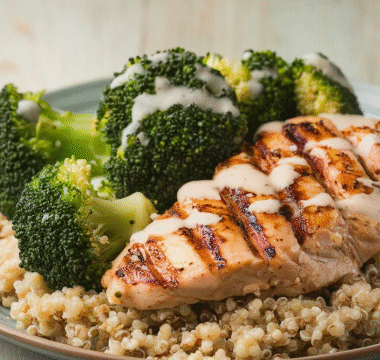
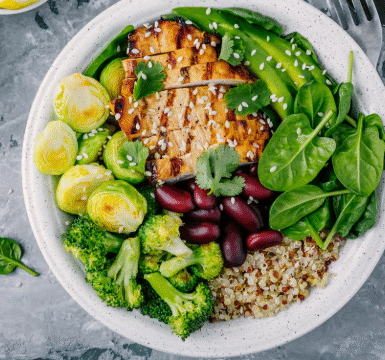
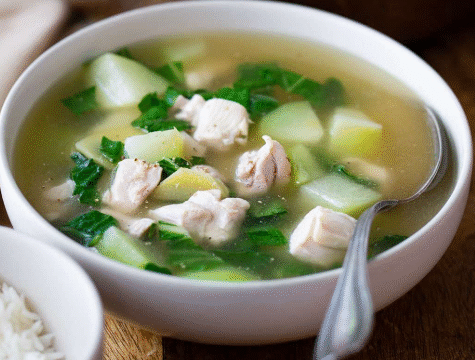
Chicken breast is one of the most popular choices for meal prep, and for good reason. It’s lean, versatile, and easy to cook in large quantities. A single 4-ounce serving of cooked, skinless chicken breast provides around 26 grams of protein and only about 140 calories. It contains little fat and is naturally low in carbohydrates. Chicken can be grilled, baked, slow-cooked, or shredded for salads, wraps, rice bowls, and more. It stores well in airtight containers for several days and can be seasoned in countless ways to keep things interesting.
Hard-boiled eggs are another meal prep essential. One large egg contains about 6 grams of protein, along with important vitamins and minerals such as vitamin B12, choline, and selenium. Eggs are one of the most complete protein sources, containing all nine essential amino acids. Boiling a batch of eggs at the beginning of the week makes it easy to add quick protein to breakfasts, snacks, or salads. They’re portable, convenient, and require no reheating.
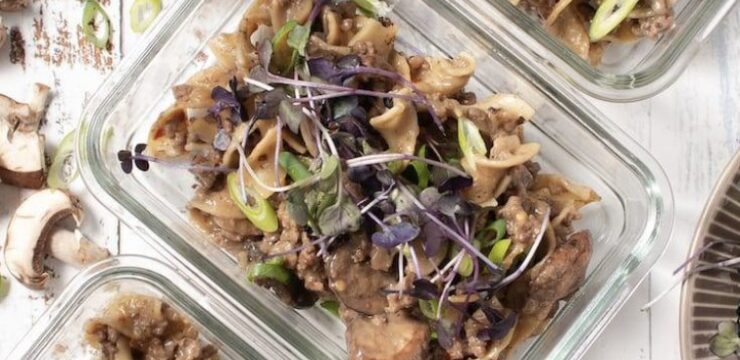
Lean ground turkey is a fantastic option for batch cooking. It delivers about 22 to 23 grams of protein per 4-ounce cooked serving, with less saturated fat than ground beef. Ground turkey works well in stir-fries, meatballs, tacos, and casseroles. You can make a big batch at the start of the week and use it in a variety of dishes for quick lunches or dinners. It pairs well with vegetables, grains, or legumes and adapts easily to different flavor profiles.
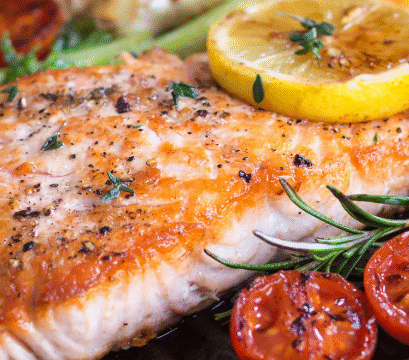
Salmon is a protein-rich food that also brings heart-healthy omega-3 fatty acids to your plate. A 4-ounce cooked portion of salmon contains around 23 grams of protein and is also a good source of vitamin D, selenium, and B vitamins. While it may be more expensive than other protein sources, salmon can be baked or pan-seared in portions and kept in the fridge for up to three days. It’s excellent with roasted vegetables, salads, or quinoa bowls. If fresh salmon is outside your budget, canned salmon is a great alternative with similar benefits.
Canned beans are often underestimated, but they’re excellent for meal prep. Half a cup of cooked black beans or chickpeas provides around 7 to 9 grams of plant-based protein, along with fiber, iron, and potassium. Beans can be added to salads, rice bowls, soups, and wraps. They require no cooking if canned, and with a quick rinse, they’re ready to use. For variety, you can mix different types of beans or combine them with grains to create complete protein meals.
Tofu is a fantastic plant-based protein for those looking to reduce meat consumption. A half-cup serving of firm tofu contains about 10 grams of protein and is also rich in calcium and iron. Tofu absorbs the flavors of whatever it’s cooked with, making it incredibly versatile. You can bake it, pan-fry it, crumble it into scrambles, or add it to curries and stir-fries. It stores well in the fridge and can even be frozen for longer shelf life. Pressing the tofu before cooking helps improve texture and flavor absorption.
Lentils are another affordable and nutritious protein source that is perfect for meal prepping. One cup of cooked lentils contains approximately 18 grams of protein and is also high in dietary fiber, which supports digestive health and helps with satiety. Lentils cook quickly compared to other legumes and work well in soups, stews, salads, or grain bowls. Their earthy flavor and hearty texture make them a satisfying meat alternative or a great addition to mixed dishes.
Greek yogurt is a high-protein dairy option that works well for breakfast or snacks. A six-ounce serving of plain Greek yogurt provides between 15 and 20 grams of protein, depending on the brand. It’s also rich in calcium and probiotics, which support bone and gut health. Greek yogurt can be layered with fruit and oats for a simple breakfast parfait, blended into smoothies, or used as a base for sauces and dips. Choosing plain, unsweetened versions helps keep added sugar in check, and you can add your own natural flavors with fruit, nuts, or a drizzle of honey.
Quinoa is a unique grain because it is a complete protein, meaning it contains all nine essential amino acids. One cup of cooked quinoa offers about 8 grams of protein, plus fiber, magnesium, and iron. It’s also gluten-free and cooks in about 15 minutes, making it a fast base for bowls, salads, or side dishes. Quinoa stores well in the fridge and retains its texture, making it a great meal prep staple to pair with other proteins like beans, chicken, or eggs.
Cottage cheese is often overlooked but packs an impressive nutritional punch. A half-cup serving of low-fat cottage cheese contains around 13 grams of protein and is low in carbohydrates. It can be eaten on its own, mixed with fruit or vegetables, or even used in baking recipes. It’s especially helpful for those looking to increase protein intake without consuming a lot of calories.
Incorporating high-protein foods into your weekly meal prep offers a wide range of benefits. Not only does it help support muscle maintenance and energy, but it also simplifies daily food decisions, reduces the temptation for last-minute takeout, and promotes more balanced eating habits. When meals are already prepared and stored in the fridge, you’re more likely to make choices that align with your health goals.
Making protein a central focus in your Sunday meal prep doesn’t require fancy ingredients or complicated recipes. A little planning goes a long way. Whether you’re cooking chicken, roasting tofu, boiling eggs, or portioning out Greek yogurt, having ready-to-eat protein options available makes it much easier to stay consistent throughout the week.
With these high-protein staples and a few simple recipes, your Meal Prep Sundays can set you up for a successful, nutritious week ahead—one container at a time.