Pasta is one of the most beloved comfort foods around the world. From traditional spaghetti dishes to creative noodle bowls, pasta has earned its spot at the table for good reason. However, it hasn’t always had the best reputation when it comes to nutrition—especially for those looking to increase protein intake or maintain a balanced diet. But that’s changing. With just a few simple tweaks, pasta can go from a carb-heavy indulgence to a high-protein, balanced meal that fits perfectly into a healthy lifestyle.
Whether you’re trying to build muscle, feel full longer, or support weight management, high-protein pasta meals offer an easy, satisfying way to meet your goals. The best part? You don’t need hours in the kitchen or specialty ingredients. With the right combination of pasta, protein, and simple add-ins, these meals can come together in under 30 minutes, making them perfect for busy weeknights or quick lunches.
Let’s begin by looking at the foundation: the pasta itself. In recent years, a wide variety of high-protein pasta options have become available in stores. These include pasta made from lentils, chickpeas, black beans, edamame, or even high-protein wheat blends. These alternative pastas often contain 12 to 25 grams of protein per serving and have the added benefit of fiber, which supports digestion and helps keep you feeling full.
If you prefer traditional pasta, there’s still room to create a protein-rich dish. Regular semolina pasta has some protein naturally—about 7 grams per cup cooked—so pairing it with protein-dense ingredients like lean meats, seafood, legumes, or dairy can bring your meal up to the levels you’re aiming for. The trick is in the toppings and sauces.
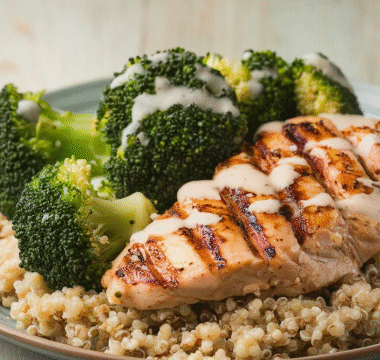
One of the quickest and most popular high-protein pasta dishes is grilled chicken over whole grain or chickpea pasta. Chicken breast is lean and provides over 25 grams of protein per 3-ounce serving. When combined with a pasta made from chickpeas or lentils, you’re already looking at a protein-packed dish without adding much effort. A drizzle of olive oil, fresh herbs, and a sprinkle of parmesan can elevate this simple combo into something special.
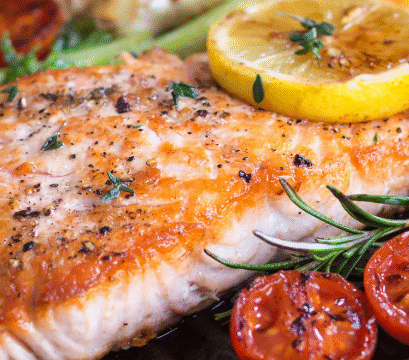
Tuna or salmon also make excellent high-protein additions. These fish are not only rich in protein—offering around 20 to 25 grams per serving—but also contain omega-3 fatty acids, which support heart and brain health. Toss canned tuna into a warm pasta salad with olive oil, lemon juice, spinach, and capers for a Mediterranean-inspired meal. Or try salmon flakes mixed into a creamy yogurt-based sauce for a lighter take on Alfredo.
Ground turkey or lean beef are great options when you’re craving a classic pasta experience. A hearty Bolognese made with lean ground meat and crushed tomatoes offers a rich, savory flavor without the excess fat. For an even greater protein boost, try adding lentils or white beans into the sauce. These not only extend the meal but also increase its nutrient density with fiber and plant-based protein.
Eggs are another quick and effective way to increase the protein in your pasta meals. Pasta carbonara is a perfect example. Traditionally made with eggs, parmesan, and pancetta, this dish is rich in protein and full of flavor. You can lighten it up by using turkey bacon and whole grain pasta, while still getting the creamy texture from eggs and cheese. Plus, it takes only minutes to prepare.
If you’re looking for a vegetarian option that doesn’t skimp on protein, consider incorporating tofu, tempeh, or seitan. These plant-based proteins absorb flavor well and pair beautifully with sauces. Crumbled tofu can be sautéed with garlic, onions, and tomato paste for a vegan meat-style sauce. Tempeh, which has a firmer texture, can be sliced and pan-fried before being added to noodles with a peanut sauce for an Asian-inspired dish.
Cheese lovers can also enjoy a protein boost with ricotta, cottage cheese, or mozzarella. Ricotta, in particular, is a staple in baked pasta dishes like lasagna or stuffed shells and offers a creamy texture with high protein content. Low-fat cottage cheese can be blended into sauces or used as a base layer in casseroles to add extra nutrition without too much fat. Mozzarella and parmesan can be used sparingly to add flavor while rounding out the protein profile.
Beans and legumes are an easy addition to any pasta dish, especially for those following plant-based or budget-friendly diets. Chickpeas, black beans, and lentils can be stirred into warm pasta with herbs and olive oil, creating a rustic and satisfying meal. For added convenience, keep canned or pre-cooked legumes in your pantry for quick use.
Don’t forget the vegetables. While they’re not the main source of protein, vegetables like spinach, peas, and broccoli do contribute small amounts and add valuable nutrients. Spinach wilts quickly into warm pasta, while steamed broccoli or peas can be mixed into almost any sauce. Their fiber and volume help make your meal more filling without adding many calories.
A creamy protein-packed sauce can make all the difference in transforming a simple pasta dish. Greek yogurt, cottage cheese, or silken tofu can be blended with herbs, garlic, and lemon to create smooth, tangy sauces that rival store-bought cream sauces—without the excess calories. These bases not only add flavor but also contribute a meaningful amount of protein per serving.
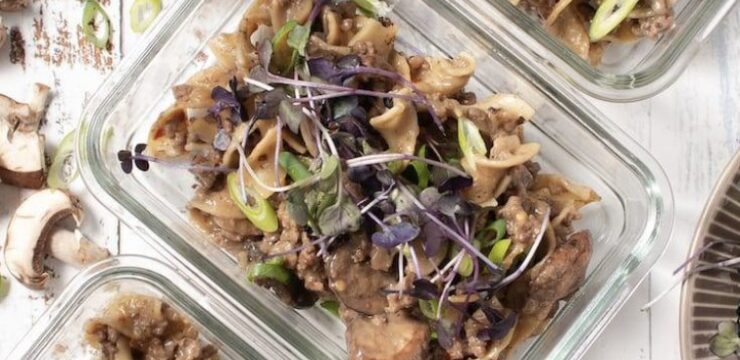
For those looking to prep meals ahead of time, pasta makes an ideal base. Cook your pasta of choice, add your favorite protein and vegetables, and store in individual containers for grab-and-go lunches or dinners throughout the week. Pasta reheats well and often tastes even better the next day as the flavors meld.
To keep your meal balanced, try to build your plate with a good mix of macronutrients: protein from your main source (meat, legumes, tofu, or cheese), complex carbs from whole grain or legume-based pasta, and healthy fats from olive oil, avocado, or seeds. A sprinkle of pumpkin or hemp seeds can add a surprising protein punch while also offering texture and crunch.
High-protein pasta doesn’t have to be complicated or time-consuming. With just a few simple ingredients and a little creativity, you can enjoy satisfying, nutritious meals that support your goals—whether it’s muscle building, improved energy, or just feeling good after a meal. The best part is that these dishes are so flavorful and comforting, you’ll likely want to make them a regular part of your weekly routine.
Whether you’re using leftover chicken, experimenting with bean-based noodles, or whipping up a five-minute tuna pasta, the possibilities are endless. With high-protein pasta, eating well never means sacrificing taste or convenience.
If you’re curious to explore more specific recipes or need tips on portion sizing based on your goals, feel free to ask. There’s a high-protein pasta dish out there for every lifestyle and palate.