Meal timing is more than a calendar invitation for your appetite; it’s a quiet rhythm that can help your hormones feel steady and your skin look calm and bright. When you eat influences insulin, cortisol, and melatonin, and those hormones in turn nudge oil production, inflammation, hydration, and even how well your skin repairs itself at night. With a few thoughtful shifts, you can align your plate with your body clock and give your complexion a kinder daily rhythm.
Start with the idea of a consistent eating window. Your skin loves predictability because your hormones love predictability. Many people feel balanced with a twelve-hour window, such as eating the first meal around 7 a.m. and the last by 7 p.m. That range allows enough daytime energy and a generous overnight break for cellular cleanup. If your schedule runs later, shift the window accordingly while preserving a two to three hour buffer before bedtime. That buffer matters because late-night eating can push insulin up when melatonin is rising, a mismatch that may leave skin more prone to overnight congestion and dullness by morning.
Breakfast sets the tone for both mood and moisture. A balanced morning meal that includes protein, fiber, and healthy fats can help steady cortisol after its natural early peak. When cortisol is more stable, you may notice fewer mid-morning crashes and less stress-driven snacking that often leans toward sugary choices. That steadiness shows up on your face as calmness rather than puffiness or a midday shine surge. If mornings are hectic, plan something simple you can repeat, such as a yogurt-and-berries bowl with ground seeds, a tofu-and-greens scramble, or oats with nut butter and sliced fruit. The details can change, but the structure stays the same: protein for satiety, fiber for digestive harmony, and fats for sustained energy.
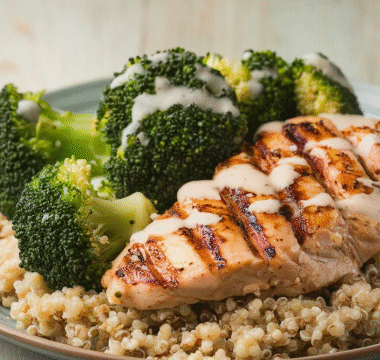
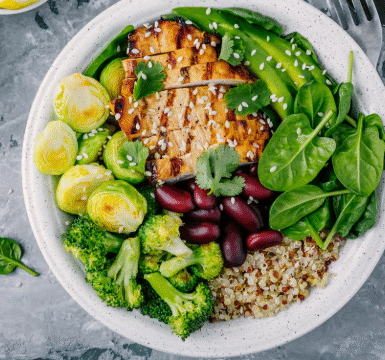
Lunch is your anchor, not an afterthought. A well-timed midday meal keeps afternoon insulin and energy in balance, which helps your skin avoid the swings that trigger redness or breakouts. Aim for a plate that feels generous with vegetables, includes a quality protein, and offers slow-digesting carbohydrates such as quinoa, brown rice, lentils, or roasted sweet potatoes. When the middle of your day includes real nourishment, you’re less likely to graze on ultra-processed snacks later. Your skin reads that steadiness as less background inflammation and better hydration, both of which support a healthy barrier.
The late afternoon is a crossroads where energy dips and cravings spike. If you need a snack, choose it deliberately and time it about two to three hours before dinner so you arrive hungry but not ravenous. Pairing fiber with protein—like apple slices and a small handful of nuts or hummus with carrot sticks—helps keep blood sugar smooth. Your hormones reward these small decisions with fewer swings, and your skin benefits from that quiet stability. If a workout lives in your late afternoon, plan a post-exercise snack that includes protein and a little carbohydrate to support recovery. This can help keep you from overeating at dinner and stressing digestion close to bedtime.
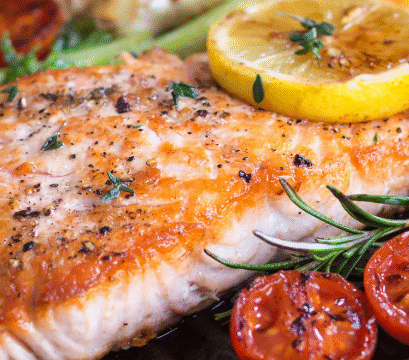
Dinner is where timing and content work together to support nighttime repair. Eating earlier allows your body to shift into rest-and-repair mode, which is when skin renews collagen and clears debris. Choose a meal that feels satisfying without being heavy: lean proteins or plant proteins, plenty of cooked vegetables, and a smaller portion of starch if you tend to sleep better that way. If reflux or restlessness sometimes follow late meals, try moving dinner thirty minutes earlier for a week and notice the difference in morning skin tone and comfort.
Hydration has its own clock. Front-load water during the first two-thirds of your day and taper gently in the evening, which supports steady energy and reduces sleep disruptions. Skin shows hydration status quickly, but it also responds to consistency over days. Consider a rhythm such as a glass of water upon waking, one with each meal, and one mid-morning and mid-afternoon. Herbal teas count, and so do water-rich foods like cucumber, melon, oranges, and broth-based soups. When hydration is spread throughout the day, your skin barrier feels plumper and more resilient.
Caffeine and alcohol deserve a thoughtful mention because they interact with hormones and skin in time-sensitive ways. Caffeine earlier in the day is generally gentler on sleep, which is when skin heals most actively. If afternoon coffee is a habit, try shifting it to before noon and watch whether your sleep deepens and your morning complexion looks less puffy. Alcohol, especially close to bedtime, can fragment sleep and dehydrate, leaving skin dull the next day. If you drink, try enjoying it with dinner rather than after dinner, and pair it with water.
Weekends and social plans don’t have to undo your rhythm. Think of your timing like a flexible framework rather than a strict rule. If dinner runs late, you can nudge breakfast later the next day to preserve a similar overnight fast. If a special brunch is early and abundant, choose a lighter, earlier dinner. Your body appreciates patterns more than perfection, and skin reflects that grace with steady brightness over time.
For shift workers or those with rotating schedules, meal timing can still support hormone and skin harmony. Anchor your first meal shortly after waking, even if waking happens in the afternoon, and place your last meal two to three hours before your main sleep period. Keep a consistent window on the days you work and a similar window on off days, shifting gradually rather than abruptly. Cold meals and easy reheats—like grain bowls, hearty salads, stews, and frittatas—help you avoid vending machines and overly salty takeout that can encourage puffiness and dryness. A small, protein-forward snack near the end of a long shift can smooth the transition to sleep without spiking blood sugar.
Stress management weaves through timing and shows on the skin. Rushed eating can amplify cortisol and reduce digestive comfort, which sometimes surfaces as redness or uneven tone. Try pausing for a few breaths before meals and giving yourself real chewing time. Even five calm minutes can change how you digest and absorb nutrients. That presence also helps you notice fullness sooner, which keeps evenings from drifting into grazing that bumps into bedtime.
Finally, pair your timing with gentle, realistic nutrition goals. You don’t need perfection to see benefits. A week of consistent breakfast, a reliably balanced lunch, an earlier dinner most nights, thoughtful hydration, and caffeine earlier in the day often leads to clearer mornings and steadier energy. If you track anything, track how you feel on waking and how your skin looks by late afternoon. Those two checkpoints reveal whether your timing supports your hormones. Small adjustments—shifting a meal by thirty minutes, adding protein to breakfast, moving dinner earlier, or spacing snacks—can produce steady improvements that last.
This guidance is educational and general. If you have a medical condition, take medication that affects blood sugar or hormones, or have specific skin concerns, consider speaking with a qualified healthcare professional for personalized advice. With that said, treat meal timing as a friendly routine rather than a rigid plan, and give yourself two to four weeks to notice changes. Your hormones thrive on rhythm, your skin thrives on rest, and your daily clock is the gentle tool that brings them into harmony.