If your skin has been looking a little tired lately, healthy fats might be the quiet heroes you are missing. Think of them as the skin’s favorite comfort blanket: softening the look of dryness, supporting a resilient barrier, and helping your natural glow peek through. This is not about chasing trends or swallowing magic solutions. It is about learning how certain fats work in the body and bringing them to your plate in everyday, delicious ways that support well-being from the inside out.
First, a quick refresher on what “healthy fats” actually are. Fats are one of the three main macronutrients, along with protein and carbohydrates. They provide energy, help absorb fat-soluble vitamins like A, D, E, and K, and contribute to cell structure. When people say “healthy fats,” they usually mean monounsaturated and polyunsaturated fats found in foods such as extra-virgin olive oil, avocados, nuts, seeds, and fatty fish. These fats are different from highly processed trans fats, which are best avoided, and from heavy patterns of deep-fried fare. In a balanced eating plan, healthy fats can be a friend to your complexion because they nourish your skin barrier and support calm, comfortable skin.
Your skin barrier is made of layers of cells cushioned by lipids, often described with the analogy of bricks and mortar. When the “mortar” is sturdy, skin holds moisture better and feels softer. Diets that include healthy fats help provide building blocks for this barrier. Monounsaturated fats from olive oil and avocados are especially beloved because they are versatile, gentle on flavor, and easy to incorporate into meals. Many people notice that when they swap some highly processed snacks for a salad dressed with olive oil, or add sliced avocado to a grain bowl, their skin feels more supple over time. While every body is unique, these foods tend to fit comfortably into balanced routines.
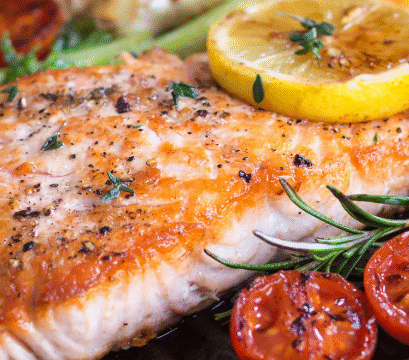
Polyunsaturated fats, including omega-3 and omega-6 fatty acids, deserve special attention for skin comfort. Omega-3s are found in salmon, sardines, mackerel, trout, chia seeds, flaxseeds, and walnuts. They are known for supporting a calm, balanced environment in the body, which many people experience as less reactive-feeling skin. Omega-6s show up in many foods, and the goal is not to eliminate them but to bring them into balance with omega-3s. A simple everyday approach is to enjoy fish a couple of times a week if that suits your preferences and to sprinkle ground flax or chia over yogurt, oats, or smoothies. For those who do not eat fish, plant-forward sources can still play a beautiful role in a glowing routine.
Vitamin absorption is another behind-the-scenes benefit. Vitamins A, D, E, and K need fat for proper absorption, and these nutrients are often linked with skin vitality. Picture a colorful plate loaded with spinach, carrots, or roasted peppers. Drizzling a little olive oil over those vegetables not only makes them more satisfying but also helps your body make use of the goodness inside. You are not adding fat for the sake of it; you are helping your meal work harder for your skin.
Cooking method matters, too. Healthy fats are delicate in their own way, so gentle preparation helps them shine. Extra-virgin olive oil loves low to medium heat and is wonderful as a finishing touch. Avocado oil has a higher smoke point and works nicely for roasting vegetables. Nuts and seeds are lovely toasted lightly, but scorching them can dull their flavor and fragrance. When you focus on calm heat and simple techniques, you preserve the aromas and the beneficial qualities that support that dewy look.
Portions can be simple and satisfying. A spoonful or two of olive oil on a salad, half an avocado on whole-grain toast, a handful of almonds as a snack, or a small piece of salmon as part of dinner are all practical examples of fitting healthy fats into your day. You do not need large amounts to benefit; consistency is more important than a big splash once in a while. If you enjoy dairy, yogurt with a sprinkle of ground flax and a few walnuts can feel luxurious while bringing both probiotics and healthy fats to the table. If you prefer plant-based meals, a chickpea and quinoa bowl with tahini dressing creates a creamy finish without feeling heavy.
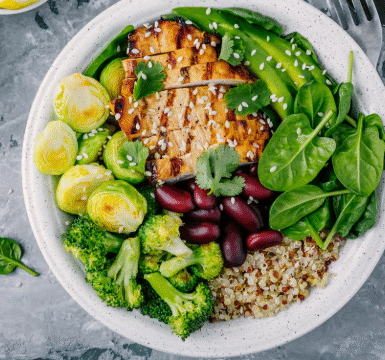
Hydration pairs beautifully with fats for skin comfort. Water keeps tissues plump, and healthy fats help reduce the feeling of moisture escaping too quickly. Many people find that sipping water throughout the day, enjoying water-rich foods like cucumbers and oranges, and adding a touch of healthy fat to meals creates a reliable rhythm. Imagine a lunch of mixed greens with cherry tomatoes, cucumbers, olives, grilled chicken or chickpeas, and a lemon-olive oil dressing. The combination of fluid-rich vegetables and gentle fat makes the salad more than a side; it becomes a glow-supporting main course.
Quality and freshness also matter. Oils can degrade with heat, light, and time. Choosing dark bottles, storing oils away from the stove, and using them within a few months of opening helps maintain their character. Buying nuts and seeds in smaller amounts and keeping them in airtight containers can preserve their taste and keep your snacks pleasantly crisp. If you grind flaxseeds at home for smoothies or oats, consider doing small batches and refrigerating them to maintain their delicate nature.
If your meals have been extremely low in fat for a long time, you might notice dry-feeling skin or a sense that products sit on the surface rather than sink in comfortably. Gently reintroducing healthy fat sources and giving your body a few weeks to adjust may help. This is not a race and there is no single perfect plan. Your preferences, cultural foods, budget, and schedule all matter. The best routine is the one you enjoy enough to repeat.
A sample day could look like a warm bowl of oatmeal stirred with ground flax and topped with sliced banana and a dollop of yogurt in the morning. Midday might bring a whole-grain wrap filled with hummus, avocado, crisp lettuce, and roasted peppers, plus fruit on the side. In the afternoon, a small handful of walnuts or almonds can bridge the gap to dinner. The evening plate could feature roasted salmon or a generous serving of white beans, a tray of seasonal vegetables tossed with avocado oil, and a bright salad dressed with olive oil and lemon. Dessert might be a few squares of dark chocolate savored slowly. This is only an example, and you can swap in the foods you love.
Remember that skin well-being is a team effort. Sleep, gentle movement, stress-management, sun protection, and a regular skincare routine all contribute to how your complexion looks and feels. Healthy fats are simply one supportive player. If you have allergies, special dietary needs, or health conditions, choosing fats that fit your personal plan is important. When in doubt, a registered dietitian or qualified health professional can offer personalized guidance.
The heart of Healthy Fats 101 is delight in small, consistent choices. A drizzle of olive oil, a creamy slice of avocado, a spoon of tahini, a sprinkle of seeds, or a fish dinner enjoyed with family can all add up to skin that feels comfortably moisturized from within. Approach it with curiosity and kindness toward yourself. With time, your plate can become one of your favorite beauty rituals, and your complexion can reflect the care you give it, softly, steadily, and naturally.