When people think about soy, they often picture tofu in a stir-fry or a splash of soy milk in morning coffee. What rarely gets attention is how soy’s natural compounds may support a bouncy, supple look in the skin. If you are curious about inside-out strategies for keeping skin comfortable and elastic as the years go by, soy and its isoflavones offer a gentle, food-first place to start. This article explains what isoflavones are, how they relate to collagen and elastin, and how to bring soy into everyday meals in a way that feels balanced, enjoyable, and aligned with a healthy lifestyle.
Isoflavones are plant compounds found in soybeans that act as phytoestrogens, meaning they can interact with estrogen receptors in the body with a much milder effect than the body’s own estrogen. Skin is full of these receptors, especially in the dermis where collagen and elastin form a supportive network. As natural estrogen levels fluctuate with age, many people notice changes in firmness and hydration. A steady intake of soy foods can be one piece of a broader routine that helps the skin feel more resilient, largely through soothing oxidative stress and supporting the environment where collagen and elastin are made.
Oxidative stress is a normal part of life. Sunlight, environmental exposure, and everyday metabolism create free radicals that can nudge collagen and elastin toward wear and tear. Isoflavones, particularly genistein and daidzein, are antioxidants that help neutralize some of this stress. Think of them as a friendly buffer rather than a magic eraser. By helping to keep oxidative pressure in check, soy’s antioxidants can support a calmer setting for the fibroblasts, the cells that build collagen and elastin. When fibroblasts are less irritated and have steady nourishment, skin is more likely to look springy and comfortable.
Protein also plays a quiet but essential role. Collagen and elastin are made from amino acids, and soy foods contribute high-quality plant protein. Tofu, tempeh, edamame, and soy milk can help you meet daily protein goals without relying solely on animal sources. When protein needs are consistently met, the skin’s building blocks are on hand. Pairing protein with vitamin C from fruits and vegetables, plus minerals like copper and zinc from whole foods, completes the picture. While no single ingredient turns back time, a balanced plate that includes soy can encourage the skin’s natural rhythm of renewal.
The form of soy you choose matters for taste, digestion, and satisfaction. Fermented soy foods such as tempeh and miso offer a savory depth and are often easier on the stomach for some people. Fermentation can change how isoflavones appear in food, potentially making them more available, and it adds helpful compounds produced by friendly microbes. Non-fermented options like tofu and edamame are mild, versatile, and widely available. Extra-firm tofu crisps beautifully in the pan; silken tofu blends into smoothies for a creamy texture; young edamame adds color and protein to grain bowls. If you prefer beverages, look for unsweetened soy milk to avoid added sugars that can work against skin comfort.
Whole foods deserve the spotlight, but supplements do exist. If you are considering isoflavone capsules or concentrated powders, it is wise to talk with a qualified health professional first, especially if you are pregnant, breastfeeding, managing a health condition, or taking medications. Food naturally packages isoflavones with protein, fiber, and minerals, which tends to support steady absorption and balanced eating habits. For most people, regular servings of soy foods fit smoothly into an overall pattern that supports skin and general wellness.
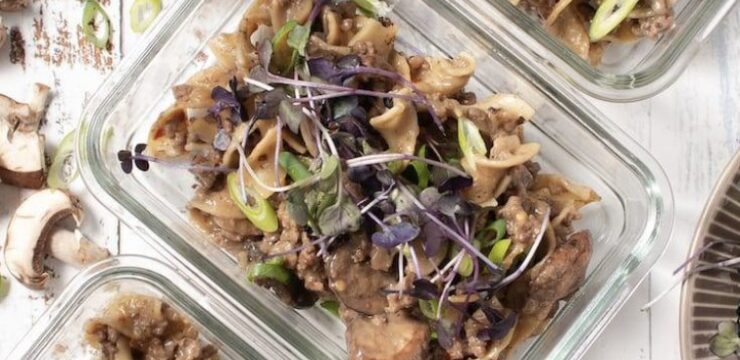
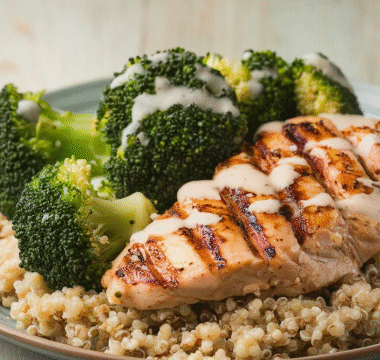
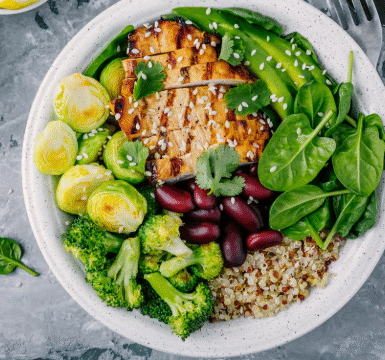
What might a soy-friendly day look like in the kitchen? Breakfast could be a smoothie blended with silken tofu, a handful of berries, spinach, and a squeeze of lemon for vitamin C. Lunch might be a hearty salad with mixed greens, cucumber, cherry tomatoes, roasted sweet potato, and cubes of pan-seared tofu, with a dressing made from miso, ginger, and lime. Dinner could feature tempeh crumbled into a vegetable stir-fry with broccoli, bell peppers, and mushrooms served over brown rice. Snacks can be simple, like lightly salted edamame, a cup of unsweetened soy yogurt with a swirl of honey, or a square of dark chocolate with green tea. These meals are not just vehicles for isoflavones; they bring fiber, phytonutrients, and hydration that all help skin feel calm and content.
Cooking methods can gently protect delicate nutrients. Overcooking can make tofu rubbery and can dull the fresh taste of edamame. Quick sautéing, steaming, or crisping tofu in the oven keeps textures pleasant. When seasoning, reach for herbs and spices like turmeric, garlic, citrus zest, and sesame. These add flavor without relying on heavy sauces, and many herbs contribute their own helpful plant compounds. If sodium is a concern, choose low-sodium soy sauce or tamari and brighten dishes with vinegar or lemon juice to keep flavors lively.
Moderation is part of a balanced strategy. For most healthy adults, one to two servings of soy foods a day is a comfortable range. A serving could be half a cup of cooked edamame, three to four ounces of tofu or tempeh, or a cup of soy milk. People with soy allergies should avoid soy entirely and can look to other protein and phytonutrient sources such as lentils, chickpeas, quinoa, nuts, seeds, and colorful vegetables. If you have a thyroid condition, speak with your clinician about the timing of soy foods around medication, as spacing them apart can be recommended. These practical steps help you enjoy soy while respecting personal health needs.
Skin elasticity does not depend on nutrition alone. Sun protection, gentle cleansing, enough sleep, stress management, and regular movement all contribute to how the skin feels and behaves. Hydration is especially important. Aim for fluids steadily across the day and include water-rich foods such as cucumbers, citrus, and leafy greens. Thoughtful skincare on the outside, such as daily sunscreen and a moisturizer that suits your skin type, teams up nicely with an inside-out approach that includes soy and other whole foods.
A common question is whether soy is a good choice for everyone. Many people around the world have eaten soy for generations in traditional cuisines, and a growing body of research looks at how isoflavones interact with skin physiology. While individual responses vary, the central idea remains steady: soy can be a gentle, nourishing part of a routine that keeps skin comfortable, supported, and elastic over time. If you like the taste and it fits your needs, it can be a welcome addition to your weekly menu.
If you are new to soy, ease in and notice how you feel. Start with a cup of edamame at lunch or swap your usual milk for unsweetened soy milk in coffee for a week. If you enjoy the change, try a tofu stir-fry or tempeh tacos with crunchy slaw. Keep the rest of your plate colorful with vegetables, whole grains, and healthy fats like avocado, olive oil, or sesame seeds. Over several weeks, this gentle consistency is often what the skin appreciates most.
As with any nutrition approach, it is helpful to remember that your skin is part of a whole system. Isoflavones can help create a calmer, more supportive environment for collagen and elastin, while the protein in soy delivers building blocks the skin uses every day. Add in smart cooking, mindful portions, and a lifestyle that values sleep, movement, and protection from the sun, and you have a friendly, sustainable path for maintaining skin elasticity. Nothing extreme is required, just small choices repeated with care.
This article is for general information and does not replace personalized advice. If you have medical questions, sensitivities, or specific concerns about soy, speak with a qualified professional who can consider your unique needs. With that said, exploring soy foods can be a delicious way to nourish your body and support a naturally supple look from the inside out.