If you are looking for a gentle, budget-friendly way to support steady energy and a calm, clear complexion, legumes are a helpful place to start. Beans, lentils, peas, and chickpeas have nourished communities around the world for centuries, and modern kitchens love them for their versatility. When you pair their slow-digesting carbohydrates with their fiber, plant protein, and minerals, you get meals that digest steadily rather than spiking your blood sugar. That steady rhythm can support skin that feels less temperamental, because the body isn’t constantly chasing highs and lows in energy. Think of legumes as small but mighty anchors for both your day and your skin routine.
Why balanced blood sugar matters for skin
Skin responds to the patterns happening in the rest of the body. When meals cause frequent spikes and dips in blood sugar, you may feel it as a burst of pep followed by a slump, and skin can reflect those swings through dullness or more reactive moments. Choosing foods that deliver glucose gradually helps the body release insulin in a measured way. That measured response supports a calmer internal environment where the skin’s barrier can focus on its main job: protecting, repairing, and renewing. Legumes are especially helpful here because they combine carbohydrates with naturally occurring fiber and protein. This combination slows digestion, leading to a steadier release of energy and a more even mood for your complexion.
Fiber, resistant starch, and the glow-gut link
One of the quiet strengths of legumes is their fiber content, including soluble fiber that forms a gentle gel in the gut. Soluble fiber supports a healthy microbiome by feeding beneficial bacteria. When those microbes are happy, they produce short-chain fatty acids that help maintain gut lining integrity. A comfortable, well-supported gut can reduce the chance of internal stress signals that sometimes show up on the skin. Many cooked and cooled legumes also form a small amount of resistant starch. This starch resists digestion in the small intestine and becomes food for the microbiome in the large intestine. If you prepare a batch of lentils or chickpeas and enjoy some warm and save some for tomorrow’s salad, you are not only saving time but also nudging your fiber variety a little higher.
Protein that plays nicely with plants
Legumes are a plant protein that fits easily into many eating patterns. While they are not the highest-protein option per bite compared to meats or certain dairy products, they supply enough protein to help meals feel satisfying. Protein slows gastric emptying, which means energy is released more gradually. For skin, steady fuel supports consistent turnover of skin cells and helps maintain the look of plumpness. If you combine legumes with whole grains such as brown rice, quinoa, or whole-wheat couscous, you bring together complementary amino acids for complete protein across the day. Add a small portion of healthy fat, like olive oil, tahini, avocado, or chopped nuts, and you have a friendly trio of protein, fiber, and fat that supports both blood sugar balance and a dewy-from-within feeling.
Minerals and plant compounds that skin appreciates
Beyond macronutrients, legumes offer minerals and phytonutrients. Iron and folate support normal cell renewal. Zinc, present in modest amounts, plays a role in maintaining skin barrier function. Polyphenols add gentle antioxidant support that helps the body manage everyday oxidative stress from life’s routines. While no single food can guarantee a certain outcome, building meals around ingredients that deliver many small benefits adds up over time. Legumes are excellent at this quiet, consistent support.
How to make legumes easy and delicious
Good habits grow from convenience, so set yourself up with methods you enjoy. Canned beans are an easy starting point; give them a quick rinse to reduce sodium and you are ready to stir them into sauces, soups, or salads. Dried lentils cook quickly without soaking, making them weeknight friendly. Larger dried beans benefit from an overnight soak or a quick soak method, which can shorten cooking time and make them gentler on digestion. If you are new to legumes, start with small portions and gradually increase as your body adjusts to the fiber. Flavor is your friend, so use herbs, garlic, onions, citrus, and spices. A splash of lemon or vinegar brightens flavors and can help meals feel lighter while you still get steady energy.
Pairing ideas for balanced meals without the spikes
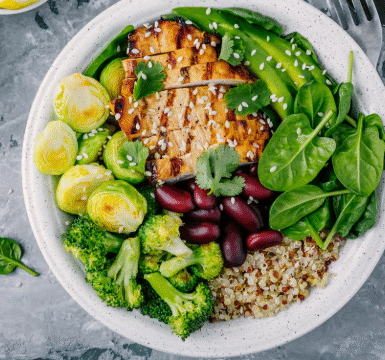
You can think in terms of simple formulas, which keeps meal prep relaxed. For a satisfying lunch, mix cooked lentils with roasted vegetables, toss with a spoonful of olive oil and a squeeze of lemon, and serve over a bed of leafy greens. For a cozy dinner, simmer black beans with tomatoes, cumin, and a pinch of cocoa powder for depth, then spoon over brown rice with a dollop of plain yogurt or a dairy-free alternative. For a quick snack, mash chickpeas with tahini and lemon for a creamy spread and enjoy it on whole-grain toast with cucumber slices. These combinations bring together fiber, protein, and healthy fats to keep your afternoon or evening steady.
Legumes for different lifestyles and preferences
Legumes meet you where you are. If you prefer plant-forward meals, they are a natural center of the plate. If you eat meat and fish, they make excellent partners, offering a way to stretch dishes while adding fiber. For people who are gluten-free, legumes are naturally gluten-free when prepared without cross-contact, and chickpea pasta or lentil pasta can bring gentle variety to your week. For those who enjoy global flavors, there are many welcoming routes: dal made with red or yellow lentils for a warm, soothing bowl; hummus for dipping vegetables; black-bean-based bowls with lime and cilantro; Tuscan white beans with garlic and olive oil; or a simple split-pea soup with herbs and carrot. Each of these options offers a familiar path to balanced fuel.
Smoother mornings and calmer afternoons
Many people notice that a legume-based lunch helps them feel even through the afternoon, especially during busy workdays. That steadiness reduces the temptation to chase quick sugar fixes later, which in turn supports a calmer environment for skin. If you prefer a lighter morning, consider a small portion of overnight oats folded with a spoonful of mashed white beans for extra creaminess. It sounds unusual, but the beans disappear into the texture while adding fiber and protein that slow the rise of blood sugar after breakfast. For evening meals, a chickpea and vegetable stew can feel cozy without being heavy, supporting comfortable sleep, which is an unsung hero for skin.
Gentle prep and storage tips
To make legumes a consistent part of your week, cook once and enjoy several times. A pot of lentils keeps well in the refrigerator for three to four days. Chickpeas and beans do too, especially when stored in their cooking liquid or a light broth to keep them tender. If you are sensitive to digestive changes, consider rinsing canned legumes and changing the cooking water for dried beans. Aromatics like bay leaves, ginger, or a small strip of kombu in the pot can also help create a gentler dish. When reheating, add a splash of water or broth and warm gently so textures stay pleasant.
Skin kindness beyond the plate
Balanced plates are important, and so are the small daily habits that support your complexion. Hydration helps fiber do its best work, so keep water nearby. Sun protection, movement you enjoy, and a consistent bedtime routine complement your meals. Skin thrives when many modest, sustainable habits line up. Legumes fit this philosophy perfectly: they are accessible, adaptable, and friendly to both your schedule and your budget.
A simple starter plan you can try this week
Choose one legume to focus on, and plan three touchpoints. Cook a pot of green lentils on Sunday. On day one, enjoy a warm bowl with sautéed spinach, garlic, and olive oil. On day two, fold the leftover lentils into a tomato and cucumber salad with lemon and fresh herbs. On day three, puree the remaining portion with a splash of broth into a silky soup, topped with a spoon of yogurt or a swirl of olive oil. Three different meals, one gentle pot, steady energy across the week.
A friendly note on personal needs
Everyone’s body is unique. If you have specific medical conditions, allergies, or digestive concerns, consider speaking with a qualified health professional for personalized guidance. The ideas here are for general wellness and everyday cooking, and they are designed to be calm, practical steps you can adapt to your life.
Bringing it all together
Legumes make everyday meals feel dependable. Their blend of fiber, protein, and slow-release carbohydrates encourages a smooth blood sugar curve, which can translate into more even energy and a more consistent mood for your skin. They are comfortable in a quick salad, at home in a simmered stew, and happy as a creamy dip. With a few pantry staples and your favorite seasonings, you can build a rhythm of eating that supports how you want to feel and how you want your skin to look. Small bowls, steady fuel, and a kind approach to your routine can go a long way.