Probiotic foods have become everyday staples in many kitchens, and for good reason. They offer living cultures that can support a balanced gut environment, and a happier gut often shows up as calmer, clearer-looking skin. While no single food is a miracle cure, adding probiotic options to a well rounded routine can be a gentle, friendly way to nurture your complexion from the inside out. Think of it as skin care that starts at the dining table.
To understand why these foods matter, it helps to picture the gut as a busy neighborhood where trillions of microbes live. When that neighborhood is diverse and balanced, the gut barrier tends to function well, nutrients are absorbed efficiently, and the body’s responses to stressors are better regulated. Researchers call the communication between the gut and the skin the gut–skin axis. When the gut environment is supported with fermented, live-culture foods, many people notice that their skin looks more even and feels less reactive. This is not a medical claim and results vary, but the connection is compelling enough to inspire small, tasty changes in daily eating.
Yogurt is often the easiest place to begin because it is familiar and adaptable. Choose a plain variety labeled with live and active cultures, then build flavor with fruit, cinnamon, or a drizzle of honey if you enjoy sweetness. The mild tang of yogurt pairs beautifully with berries and kiwi, which offer vitamin C to support collagen formation. If you prefer savory options, yogurt can become a creamy base for cucumber and herbs as a simple dip. The goal is to bring live cultures to your plate while keeping added sugars in check, since excess sugar is not ideal for skin-friendly routines.
Kefir offers a similar benefit with a drinkable texture and a wider variety of cultures. It is pleasantly tart and mixes well with a ripe banana, a handful of spinach, and a spoonful of oats for a quick breakfast you can sip on your commute. If you are new to kefir, start with a small glass and increase gradually so your body can adjust. Many people find that a slow introduction makes fermented foods more comfortable for everyday life.
Sauerkraut and kimchi bring the crunch. These cabbage based ferments deliver lively microbes along with fiber, which acts as a prebiotic to feed the good bacteria you are inviting in. A spoonful on a grain bowl, alongside roasted chicken, or tucked into a veggie wrap can brighten a meal and add that pleasant zing. For the best chance of getting live cultures, choose raw, unpasteurized versions stored in the refrigerated section, and add them to your food after cooking rather than heating them directly. Heat can reduce the number of live microbes, and keeping them cool helps preserve their benefits.
Miso and tempeh introduce the world of fermented soy. Miso paste whisks into warm, not boiling, water for a soothing broth, and it blends into dressings that make vegetables shine. Tempeh brings a nutty flavor and a firm texture that sears well in a skillet. Both foods complement a skin supportive pattern because they provide protein, minerals, and that signature fermented depth. If you are managing sodium, taste as you go, since some ferments are naturally salty. Small amounts still go a long way in bringing complexity to your meals.
Kombucha can be a refreshing option if you enjoy fizzy drinks. It is helpful to check the label for added sugar and choose varieties that keep sweetness modest. Kombucha’s tang and bubbles make it a satisfying afternoon pick me up, especially when paired with a handful of nuts or a piece of fruit. If you bake at home, sourdough bread is another friendly way to welcome fermented foods. The long fermentation gives the loaf its lift and distinctive flavor, and many people appreciate how a slice of sourdough with avocado, tomato, and a sprinkle of seeds makes a simple, skin conscious meal.
Cottage cheese and certain soft cheeses sometimes include live cultures too. Look for labels that mention active cultures and enjoy them with herbs, cracked pepper, and olive oil, or with sliced peaches when they are in season. Fermented pickles offer crunch and tang as well, yet it is worth distinguishing between vinegar pickles and fermented ones. Fermented pickles usually sit in a cloudy brine in the refrigerator section and list only water, salt, and spices rather than vinegar.
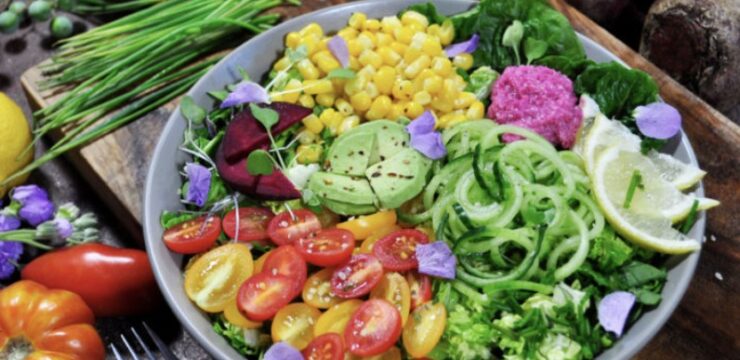
A helpful way to think about probiotic foods is to pair them with prebiotic fibers. Prebiotics are the preferred fuel of your friendly microbes, and they show up in everyday ingredients such as oats, onions, garlic, leeks, asparagus, bananas, apples, and beans. When you layer a probiotic food with prebiotic rich produce and whole grains, you support a community effect. Imagine a lunch bowl of quinoa, greens, roasted sweet potato, a spoon of sauerkraut, a drizzle of yogurt based dressing, and toasted pumpkin seeds. The result is colorful, satisfying, and kind to the gut–skin conversation.
Quality matters, and a few label tips can help you shop with confidence. Phrases like live and active cultures are a useful starting point. For jarred ferments, look for products kept cold and capped tightly, with minimal ingredients you recognize. For miso, choose an unpasteurized tub when possible and store it in the refrigerator. For kombucha, look for a clean ingredient list and moderate sweetness. If you choose to make ferments at home, follow a trusted recipe with proper hygiene and storage to keep things safe, and start with small batches until you find your rhythm.
Gentle consistency beats intensity when it comes to fermented foods. Many people do well with a serving once a day or a few times a week, depending on taste and comfort. If you are brand new to probiotic foods, begin with a few spoonfuls or sips and increase gradually. If you have specific dietary needs, are pregnant, or are managing a health condition, speak with a qualified healthcare professional for personalized guidance. This article is for general information and is not a medical diagnosis or treatment plan.
Lifestyle habits help these foods shine. Hydration supports digestion and skin’s natural bounce, so keep water nearby throughout the day. Prioritize a variety of colorful plants, steady protein, and healthy fats like olive oil and nuts, because microbes thrive on diversity and your skin appreciates balanced nourishment. Aim for regular sleep and manageable stress, since rest and relaxation help the entire gut–skin axis perform at its best. A routine that is calm and consistent sets the stage for probiotic foods to feel like an easy fit rather than an assignment.
Taste should lead the way because you are more likely to stick with foods you enjoy. Explore a few cultures and cuisines to see what suits you. Maybe your morning looks brighter with a kefir smoothie and a handful of berries. Maybe lunch feels more complete with a tempeh stir fry and a spoon of kimchi on the side. Perhaps dinner slows down with a bowl of miso soup, a slice of sourdough, and a crisp salad tossed in yogurt herb dressing. Small, delicious moments add up over the week, and your skin often appreciates the gentle, steady support.
Probiotic foods are not about perfection or strict rules. They are about inviting more life and variety into your meals in ways that are simple to repeat. By choosing options with live cultures, pairing them with fiber rich plants, minding added sugars and sodium, and favoring steady habits over quick fixes, you create conditions that support a balanced gut environment. Over time, many people notice that their complexion looks more at ease, their routine feels easier, and their meals become a source of everyday care. Clearer looking skin often starts with choices that are kind to the body, enjoyable at the table, and sustainable in real life.