Your skin barrier is your body’s first line of defense. It keeps environmental stressors out and holds moisture in, so skin feels comfortable, looks smoother, and stays resilient day after day. While creams and serums matter, there is a powerful inside-out strategy many people overlook: nourishing your gut with prebiotics. Think of prebiotics as the preferred fuel for beneficial gut bacteria. When your gut microbes thrive, they can support a calmer, more balanced internal environment that reflects outward as a stronger, better-hydrated skin barrier.
To understand why prebiotics help skin, it’s useful to take a quick tour of the gut–skin connection. Your digestive tract hosts trillions of microbes that interact with the food you eat. When you feed these microbes the fibers they prefer, they produce helpful compounds such as short-chain fatty acids. These small molecules can influence immune balance, support the gut lining, and help regulate processes related to inflammation. A well-fed microbiome tends to be more diverse and stable, which can translate to a steadier internal environment. That steadiness often shows up in the mirror as skin that’s less reactive and better able to hold onto moisture.
Prebiotics are different from probiotics. Probiotics are the live beneficial microbes found in certain foods and supplements. Prebiotics are what those microbes like to eat, especially fermentable fibers and certain plant compounds. Common prebiotic fibers include inulin, fructooligosaccharides, galactooligosaccharides, resistant starch, and beta-glucans. You don’t need to memorize those names; it’s enough to know they are present in familiar foods. When you consistently eat a variety of plant-rich meals, you naturally supply these fibers, and your gut microbes do the rest.
A great way to build a prebiotic-friendly plate is to spotlight everyday foods that are easy to find. Oats, barley, and whole wheat contain nourishing fibers. Beans, lentils, and chickpeas bring both protein and prebiotic compounds. Garlic, onions, leeks, and scallions offer the kind of fiber microbes love along with aromatic flavor. Bananas, especially when slightly green, contribute resistant starch. Apples and pears give gentle sweetness and pectin. Artichokes and asparagus are classic sources of inulin. Even cooled cooked potatoes and rice can add resistant starch when enjoyed the next day in a salad or bowl. By mixing and matching these foods through the week, you support a fuller menu for your microbiome, which can help your skin barrier feel less tight and more at ease.
Hydration partners beautifully with prebiotics. Fiber holds water in the digestive tract, which helps it move comfortably. Drinking enough water throughout the day helps fiber do its job and supports overall skin hydration. Many people find it helpful to keep a refillable bottle nearby and sip regularly rather than guzzling all at once. Herbal teas and water-rich produce like cucumbers, citrus, and melon can also contribute to your daily fluid intake while keeping your menu fresh and enjoyable.
If you are new to prebiotic-rich foods, a gentle approach is best. Start with small portions and increase gradually over a couple of weeks. This gives your digestive system time to adjust and helps minimize bloating. Chew thoroughly and slow down during meals to support better digestion. If a certain food feels too intense, try cooking it well or choosing a different prebiotic source for a few days. Consistency matters more than perfection. The goal is a pattern you can sustain comfortably, not a short burst of extreme fiber intake.
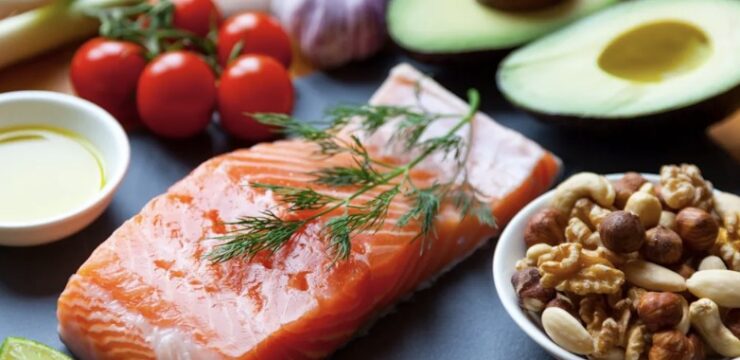
It’s also wise to consider balance. Prebiotics work well alongside a varied, minimally processed pattern of eating. Pair your fibers with quality protein such as eggs, fish, tofu, beans, or yogurt if you enjoy dairy. Add colorful vegetables and fruits for vitamins, minerals, and polyphenols, which are plant compounds that also interact with gut microbes in positive ways. Include healthy fats from olive oil, avocado, nuts, and seeds to support the skin’s lipid barrier. This combination helps your microbiome stay content and provides raw materials the skin needs for a supple, flexible outer layer.
Here is what a prebiotic-friendly day might look like. In the morning, a warm bowl of oatmeal topped with sliced pear and a spoonful of ground flax offers soluble fiber and gentle sweetness. Lunch could be a lentil and vegetable stew with carrots, leeks, and tomatoes served over barley, giving both prebiotic fibers and hearty satisfaction. For a snack, a slightly green banana with a small handful of walnuts is simple and portable. Dinner might feature roasted salmon or baked tofu with garlic-rubbed asparagus and a side of cooled potato salad dressed in olive oil and lemon. Dessert could be a crisp apple or a cup of plain yogurt with a swirl of honey if you like a touch of sweetness. This is not a strict plan, just a template to show how easily prebiotics fit into everyday meals.
Your routine outside the kitchen matters, too. Good sleep, movement, and stress management can complement the benefits of prebiotics. When you sleep well, your body restores and repairs, including your skin barrier. Gentle movement such as walking or stretching supports healthy circulation and digestion. Managing stress through breathing exercises, journaling, or time outdoors can help keep your gut–skin conversation on friendlier terms. These habits do not need to be perfect to be effective; small, consistent steps often deliver the most reliable results.
Some people also explore prebiotic supplements. If you choose this route, look for products that list the specific fiber type and suggest a gradual dose increase. A cautious start allows you to see how your body responds. Food sources remain a wonderful foundation because they deliver additional nutrients and variety. If you have a sensitive digestive system or a medical condition that affects how you tolerate fiber, it’s a good idea to talk with a qualified healthcare professional before adding new supplements.
Skin care from the outside can synergize with your nutrition from the inside. A gentle cleanser, a well-formulated moisturizer with ceramides or humectants, and consistent daily sun protection help your skin barrier do its job. When you pair that simple routine with a prebiotic-rich way of eating, you give your skin support from two directions. Over time, many people notice their skin feels more comfortable between seasons, looks less dull, and holds moisture longer through the day.
Progress with prebiotics is measured in weeks rather than days. Your microbiome responds to patterns, not single meals. Aim for variety across the week, rotating whole grains, legumes, and different fruits and vegetables. Keep your pantry stocked with staples like oats, brown rice, canned beans, onions, and garlic so it’s easy to assemble supportive meals even on busy evenings. When life gets hectic, a pot of bean soup, a tray of roasted vegetables, or a cooked grain stored in the fridge can make wholesome choices feel effortless.
It’s empowering to remember that steady, everyday choices can strengthen your skin barrier from within. By feeding the beneficial microbes in your gut with prebiotic-rich foods, staying hydrated, and pairing nutrition with simple skin care, you create conditions where your skin can thrive. The result is not just a glow on the surface, but skin that feels resilient, comfortable, and ready to face your day.
This article is for general information and friendly guidance only. It is not medical advice. If you have ongoing skin concerns, food intolerances, or a medical condition, consider speaking with a qualified health professional for personalized recommendations.