Plant-based eating offers a gentle, everyday path to more luminous skin. Rather than chasing overnight fixes, this approach nourishes your complexion from the inside out, using colorful plants, whole grains, legumes, nuts, and seeds to support the way your skin naturally repairs and protects itself. When you think of glow, picture balanced meals, steady hydration, and kind routines that add up over weeks and months. Radiance becomes the side effect of consistent care.
Glowing skin thrives on antioxidants, and plants are the richest daily source. These protective compounds help your skin stand up to environmental stressors you encounter in sunlight, city air, and the general friction of busy life. Imagine a spectrum on your plate: tomatoes and watermelon for lycopene, citrus and bell peppers for vitamin C, leafy greens for lutein, and berries for anthocyanins. Variety matters because different antioxidants play different roles, and your skin benefits from the orchestra rather than a single instrument. If you’re new to this, a helpful mindset is to ask, “Which color can I add?” with each meal.
Hydration is another quiet star of a luminous routine. Water supports circulation and helps deliver nutrients to skin cells while assisting your body’s natural processes that keep things running smoothly. Beyond sipping throughout the day, choose water-rich foods like cucumbers, oranges, lettuce, and melons. Herbal teas can be a comforting option, and many people find that pairing a glass of water with every meal and snack makes consistency effortless. The goal is steady hydration rather than occasional big gulps.
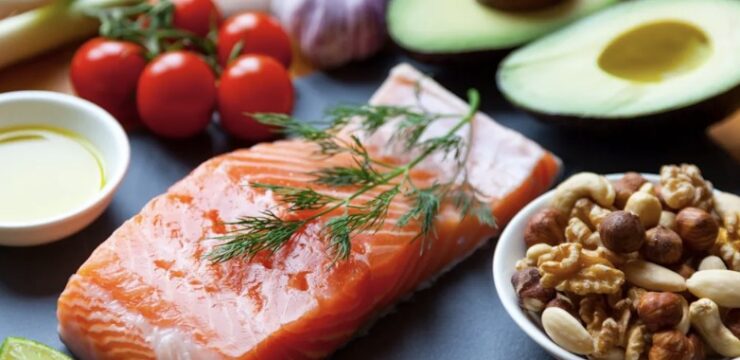
Healthy fats give skin that supple, dewy look many people love. Plant-based sources such as avocados, walnuts, chia seeds, flaxseeds, and extra-virgin olive oil contribute fats your body uses to support the skin’s barrier. A strong barrier helps minimize moisture loss and keeps skin feeling comfortable. Think of a breakfast bowl with ground flax stirred into oats, a lunch salad finished with olive oil, and a dinner that includes a handful of walnut pieces or slices of avocado. Small, frequent appearances of these fats are more helpful than a once-in-a-while giant portion.
Protein plays a quiet but essential role in skin structure. Collagen itself is made from amino acids, and while you’ll often hear about collagen supplements, you can also support your body’s collagen-making process with complete and complementary plant proteins. A simple habit is to include a protein anchor in each meal. Tofu and tempeh, lentils and chickpeas, edamame, quinoa, and buckwheat are nourishing options. Combine legumes with grains across your day to round out amino acids. Top a grain bowl with marinated tofu, stir tahini into a chickpea salad, or ladle lentil stew over brown rice. Your skin appreciates steady, moderate protein intake rather than dramatic spikes.
Fiber is the unsung hero connecting your plate and your complexion. A diverse, fiber-rich diet feeds beneficial gut bacteria, and a healthy gut environment is linked to calmer, more balanced-looking skin for many people. Whole plant foods offer soluble and insoluble fibers that help keep digestion regular and support a stable internal environment. If you are increasing fiber, do it gradually and drink more water to keep everything comfortable. Many people notice that when their meals include beans, whole grains, vegetables, and fruit, their energy and skin both feel more even.
Minerals and vitamins complete the picture. Vitamin C from citrus, strawberries, kiwi, and peppers supports collagen formation. Vitamin E from sunflower seeds, almonds, and spinach adds another layer of antioxidant support. Zinc from pumpkin seeds, whole grains, and legumes assists with normal skin renewal. Beta-carotene in carrots, sweet potatoes, and dark leafy greens converts to vitamin A in the body and contributes to that healthy, lit-from-within look. The most reliable way to cover your micronutrient bases is to enjoy a wide range of whole foods rather than relying on a single superstar ingredient.
How you cook can be as important as what you cook. Gentle methods like steaming, light sautéing, and roasting help preserve nutrients while making meals satisfying and easy to digest. Add delicate oils after cooking to maintain their character. A squeeze of lemon or a spoonful of salsa on vegetables can brighten flavors and add vitamin C, which helps your body make the most of plant iron. If your schedule is tight, batch-cook elements on a calm evening so future you can build meals quickly. A pot of quinoa, a tray of roasted vegetables, a container of marinated tofu, and a jar of tahini dressing transform into different bowls and wraps all week.
Designing a skin-loving plate is simple when you think in thirds. Start with a base of whole grains or starchy vegetables for steady energy. Add a generous portion of vegetables and fruit for hydration and antioxidants. Finish with a protein and a source of healthy fat. Season well with herbs and spices like turmeric, ginger, basil, parsley, and cinnamon, which add flavor and extra plant compounds. If dessert fits your style, choose fruit-forward options such as baked apples with a drizzle of nut butter or a handful of berries paired with a spoonful of coconut yogurt.
Daily routines outside the kitchen also help your glow along. Aim for consistent sleep so your skin can handle its nighttime repair work. Manage stress with short, realistic practices such as an afternoon walk or a few steady breaths between tasks. Be mindful with sun exposure by layering protective clothing and using sunscreen appropriate for your skin. Gentle movement supports circulation, which naturally brings a fresher look to your face. None of these habits needs to be perfect to be helpful; small steps are potent when repeated.
If you enjoy a plan, picture a simple plant-based day designed with skin in mind. Breakfast could be warm oats topped with sliced kiwi, grated carrot, and a sprinkle of ground flax. Lunch might feature a leafy salad with quinoa, cherry tomatoes, cucumbers, chickpeas, and a lemon-tahini dressing. An afternoon snack could be a small smoothie blended with berries, spinach, and unsweetened plant milk. Dinner might be a stir-fry of broccoli, bell peppers, and tofu served over brown rice with a splash of tamari and a finish of toasted sesame seeds. This day is only a template; you can swap ingredients to reflect your tastes and local produce.
Everyone’s skin and digestion are unique, so it helps to observe how different foods make you feel. Some people do well moderating spicy dishes, caffeine, or very salty meals if they notice puffiness or sensitivity. If you’re experimenting with soy, gluten, nuts, or nightshades and have questions about how your body responds, consider keeping a gentle food and feelings journal for a couple of weeks. Note the meals that make you feel most comfortable and energized, and build from there. For medical concerns or specialized dietary needs, a qualified healthcare professional or registered dietitian can offer personalized guidance.
Sustainability enhances radiance in a different way. Choosing mostly plants is kind to the planet while often being kinder to your budget. Shop with a seasonal lens, lean on local produce when you can, and don’t hesitate to use frozen fruits and vegetables, which are picked at peak ripeness and are convenient to keep on hand. Cook once and enjoy twice by repurposing leftovers into new meals so you always have a nourishing option ready. The less friction you feel around eating well, the easier it is to sustain your glow.
Ultimately, a plant-based path to luminous skin is about consistency, variety, and enjoyment. Fill your meals with color, include a modest portion of healthy fats and plant proteins, sip water throughout the day, and pair your plate with steady sleep, movement, and sun sense. Over time, these friendly habits help your complexion reflect the care you’re giving your whole self. Glow becomes not just a look, but a feeling you carry with you into your work, your relationships, and the rhythm of your days.