Healthy, comfortable skin starts long before you choose a cleanser or moisturizer. Much of your skin’s day-to-day glow is shaped in the kitchen, where foods influence inflammation, hydration, and the skin’s protective barrier. An anti-inflammatory meal plan is a calm, balanced way to eat that emphasizes colorful produce, wholesome fats, lean proteins, fiber-rich grains, and plenty of water. It is not a crash diet or a rigid rulebook. Think of it as a supportive routine that nourishes your body consistently so your skin can do its best work.
Inflammation is part of the body’s natural defense system, yet it can become unhelpful when it lingers. On the skin this may show up as dullness, uneven texture, or visible discomfort. The foods you choose can nudge that process in a gentler direction. Meals centered on vegetables, fruits, legumes, whole grains, and high-quality fats supply antioxidants and phytonutrients that help manage oxidative stress. When your plate routinely includes these elements, you give your skin a steady stream of building blocks for resilience.
The backbone of an anti-inflammatory day starts with breakfast that stabilizes energy without overwhelming the bloodstream with fast sugars. A bowl of creamy oats topped with berries and a spoonful of ground flaxseed brings fiber, vitamin C, and omega-3s into one friendly bowl. If you prefer savory, scrambled eggs with sautéed spinach and tomatoes drizzled with olive oil is a simple, satisfying option. Pair either breakfast with water or unsweetened green tea so you begin hydrated. A calm morning meal like this helps steady stress hormones and supports a balanced glow through the day.
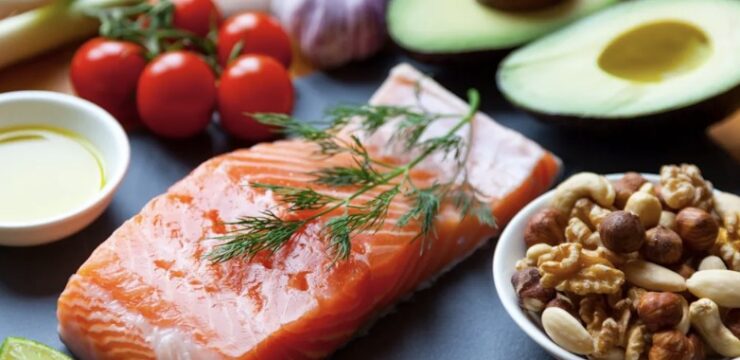
Lunch is a perfect moment to stack vegetables and lean protein, because mid-day is when many of us search for focus and a second wind. Build a hearty bowl by combining quinoa, chickpeas, cucumber, red peppers, and a handful of arugula, then toss it with a lemon and olive oil dressing. The combination supplies fiber, plant protein, and a spectrum of antioxidants in different colors. If you enjoy seafood, grilled salmon on a bed of mixed greens adds skin-loving omega-3 fats that help support the moisture barrier. The goal is variety and color, not perfection.
Dinner offers a chance to gently wind down the day with warm, comforting flavors that are easy on digestion. Consider a plate of roasted sweet potatoes, tender broccoli, and a portion of herbed chicken or tofu. The sweet potatoes provide beta carotene, a precursor of vitamin A, while cruciferous vegetables offer unique compounds that support the body’s natural detox pathways. Finish with a drizzle of extra-virgin olive oil or a sprinkle of pumpkin seeds for helpful fats and minerals. If you crave something cozy, a lentil and vegetable stew can bring deep satisfaction without heaviness.
Snacks are most helpful when they are simple and steady. Fresh fruit with a small handful of walnuts, plain yogurt with cinnamon and sliced pears, or crunchy carrots with hummus can carry you through an afternoon without the energy roller coaster. These choices bring fiber, gentle sweetness, and healthy fats in a way that respects your skin’s need for balance. Many packaged snacks are heavily salted or sweetened, which can make you feel puffy or sluggish. Try to keep whole-food snacks within easy reach so you naturally choose them when hunger appears.
What you drink is as important as what you chew. Water supports circulation and helps the skin maintain a comfortable, hydrated feel. Aim to sip throughout the day rather than gulping at once. If you enjoy flavor, infuse water with cucumber, mint, or citrus slices. Unsweetened herbal teas can be lovely between meals. While a morning coffee fits many lifestyles, notice how much added sugar and creamer you use, and consider gentler options like a splash of milk or a pinch of cinnamon. Balanced hydration steadies your skin from within.
Some foods are best enjoyed less often when comforted skin is your goal. Ultra-processed items with excess sugar, refined oils, and heavy additives may nudge inflammation in the wrong direction for some people. The same can be true of frequent alcohol or heavily salted fast foods that leave you feeling parched. This is not about restriction or guilt. It is about noticing how you feel after certain choices, then shaping your routine toward meals that leave you clear-headed, comfortably full, and content in your skin.
A weekly plan makes all of this easier. Choose two or three base recipes you love, such as a tray of roasted mixed vegetables, a pot of quinoa or brown rice, and a protein like baked salmon, chicken, or marinated tofu. Store them safely in the refrigerator, then assemble different bowls in minutes. On a busy evening, combine warm grains with vegetables and protein, add a spoonful of sauerkraut or a squeeze of lemon for brightness, and finish with a splash of olive oil. Repeat with small variations so you enjoy both predictability and pleasure.
Spices are quiet heroes in an anti-inflammatory kitchen. Turmeric, ginger, cinnamon, garlic, and rosemary bring delightful aroma while contributing polyphenols that support the body’s natural balance. Stir turmeric and black pepper into warm lentils, add fresh ginger to stir-fries, or simmer cinnamon with apples for a simple dessert. These flavorful touches transform basic meal prep into something you look forward to eating, and they help you stay consistent because the food tastes wonderful.
Your skin’s happiness also reflects the rhythm of how you eat, not just the ingredients. Regular meals can prevent dramatic dips and spikes in energy that sometimes show up as cranky skin. When possible, pause and eat without scrolling or working, chew thoroughly, and allow your body to register satiety. Gentle movement after meals, like a short walk, can also aid circulation and digestion. Sleep, stress, and sun care matter too. An anti-inflammatory meal plan works best when it sits inside a kind lifestyle that respects rest and daily sunlight protection.
If you want a simple template to begin, imagine starting your morning with oats and berries, sipping water through the morning, enjoying a quinoa and chickpea bowl with leafy greens at lunch, reaching for yogurt and fruit in the afternoon, and closing the day with a roasted vegetable and salmon plate or a cozy lentil stew. Adjust portions, proteins, and flavors to your culture, budget, and tastes. The most effective plan is the one you enjoy and maintain, because consistency is what quietly transforms how your skin looks and feels.
As with any nutrition approach, keep your personal needs in mind. If you live with allergies, sensitivities, or a medical condition, talk with a qualified healthcare professional or registered dietitian for individualized guidance. This article is for general information and friendly encouragement. Think of it as a supportive starting point. With a few thoughtful choices each day and a bit of weekend prep, you can build an anti-inflammatory routine that nourishes your body, brings comfort to your skin, and adds a calm, confident glow to the way you move through the week.