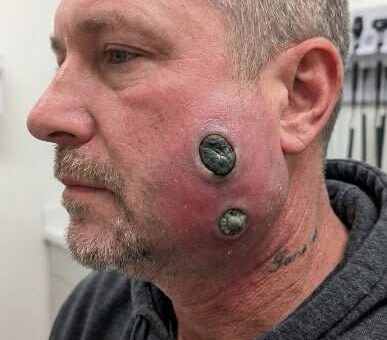
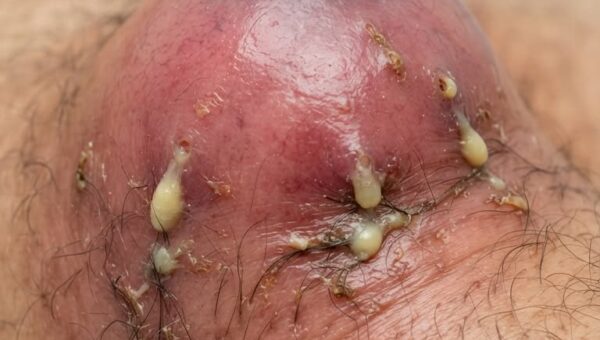
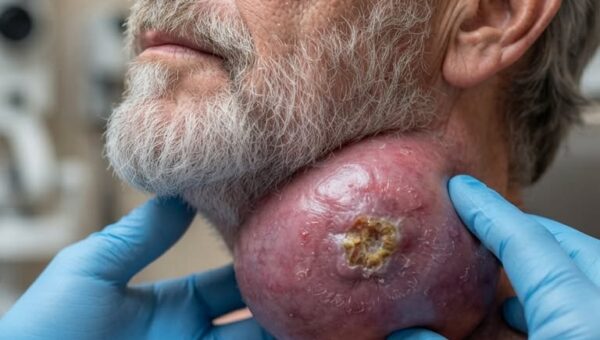
Cystic acne is a more severe form of acne that develops deep beneath the skin’s surface. Unlike common breakouts, these blemishes are often larger, more painful, and slower to heal. They form when excess oil, dead skin cells, and bacteria become trapped in pores, leading to inflammation that extends deeper into the skin layers.
Understanding cystic acne is important because it can affect more than just appearance. Persistent inflammation may increase the risk of scarring, which can last long after the acne itself has improved. In some cases, cystic acne may also be linked to underlying factors such as hormonal changes, stress, or genetics. Paying attention to these triggers can help individuals better manage their skin health.
Taking a gentle and consistent approach to skincare is key. Using non-comedogenic products, avoiding harsh scrubbing, and maintaining a balanced lifestyle can support the skin’s natural healing process. It is also helpful to seek advice from a qualified healthcare professional when symptoms are severe or ongoing.
With the right care and awareness, cystic acne can be managed effectively. Focusing on both skin health and overall well-being can lead to clearer, healthier skin over time while reducing the chance of long-term effects.
We use cookies to personalize content and ads, to provide social media features and to analyze our traffic. We also share information about your use of our site with our social media, advertising and analytics partners. Privacy Policy.