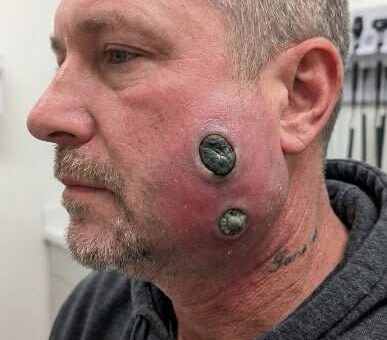
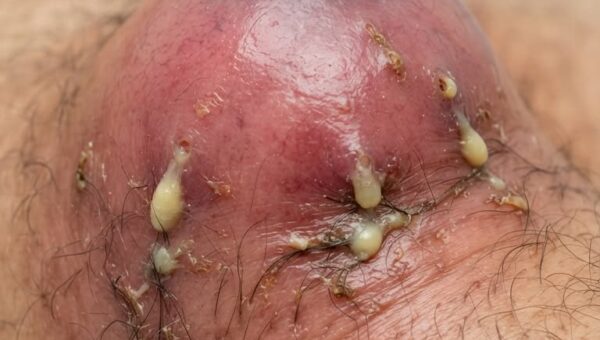
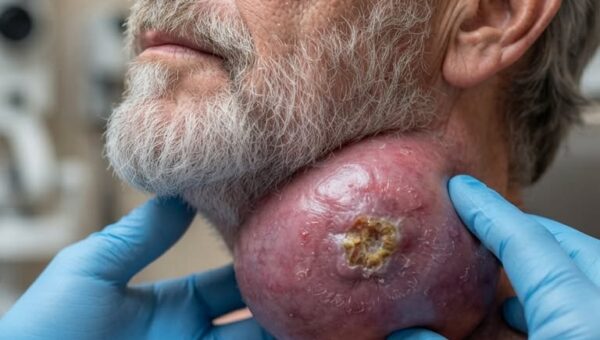
Inflammatory acne is a common skin concern that goes beyond simple clogged pores. It occurs when hair follicles become blocked with oil, dead skin cells, and bacteria, leading the body to trigger an immune response. This response causes redness, swelling, and sometimes discomfort, which are the key signs of inflammation. You may notice papules, pustules, or deeper nodules that feel tender to the touch.
Several factors can contribute to inflammatory acne, including hormonal changes, stress, and certain skincare habits. Using harsh products or over-washing the face can irritate the skin further, making breakouts more noticeable. On the other hand, a gentle and consistent routine can help calm the skin and reduce flare-ups over time.
Managing inflammatory acne often involves keeping the skin clean without stripping its natural barrier. Ingredients like salicylic acid or benzoyl peroxide are commonly used to target bacteria and unclog pores, but they should be applied carefully to avoid dryness. Maintaining a balanced diet, staying hydrated, and getting enough rest also support overall skin health.
If breakouts persist or become severe, seeking guidance from a qualified skincare professional can be helpful. With patience and the right approach, inflammatory acne can be managed effectively, leading to clearer and healthier-looking skin.
We use cookies to personalize content and ads, to provide social media features and to analyze our traffic. We also share information about your use of our site with our social media, advertising and analytics partners. Privacy Policy.