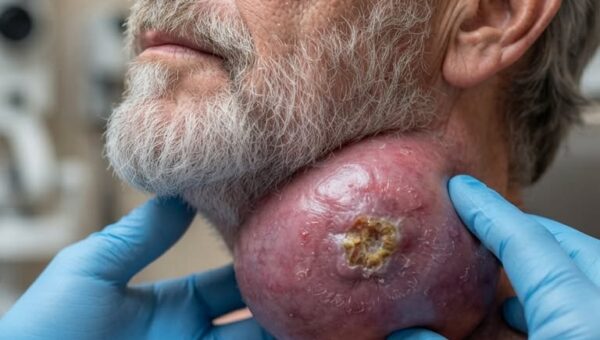
Healthy skin is often a reflection of overall wellness, and understanding the connection between health and acne can help you make positive lifestyle choices. Acne develops when pores become clogged with excess oil, dead skin cells, and bacteria. While breakouts are common, everyday habits can influence how your skin looks and feels over time.
A balanced diet that includes fruits, vegetables, whole grains, lean proteins, and healthy fats provides nutrients that support normal skin function. Drinking enough water also helps maintain skin hydration, while consistent sleep gives your body time to recover and renew itself. Managing daily stress through relaxing activities, regular exercise, or mindfulness may also contribute to healthier-looking skin.
A gentle skincare routine is another important step. Cleansing your face twice a day with a mild cleanser and choosing products designed for your skin type can help reduce irritation. It is also helpful to avoid picking or squeezing blemishes, as this may increase the risk of temporary marks or irritation.
Remember that everyone’s skin is unique, and improvements often take time. Consistency with healthy habits and proper skincare can make a meaningful difference. If acne becomes severe, painful, or persistent, consulting a qualified healthcare professional or dermatologist can help you find the most appropriate treatment plan for your individual needs.