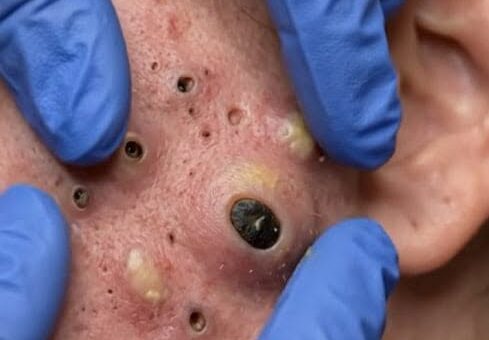
Healthy skin often reflects overall well-being, and understanding the relationship between health and acne control can help people make informed lifestyle choices. Acne develops when pores become clogged with excess oil, dead skin cells, and bacteria, but everyday habits can also influence how the skin looks and feels. While there is no universal solution, caring for the body as a whole may support a clearer complexion over time.
Eating a balanced diet that includes fruits, vegetables, whole grains, lean proteins, and healthy fats provides nutrients that help maintain normal skin function.
Drinking enough water supports overall hydration, while consistent sleep gives the body time to recover and renew itself. Managing daily stress through relaxing activities, regular exercise, or enjoyable hobbies may also benefit general wellness, which can positively affect the skin.
A gentle skincare routine is another important part of acne control. Washing the face with a mild cleanser, avoiding harsh scrubbing, and choosing non-comedogenic skincare products can help reduce irritation.
It is also helpful to avoid touching the face frequently and to keep items like pillowcases and makeup brushes clean.
We use cookies to personalize content and ads, to provide social media features and to analyze our traffic. We also share information about your use of our site with our social media, advertising and analytics partners. Privacy Policy.