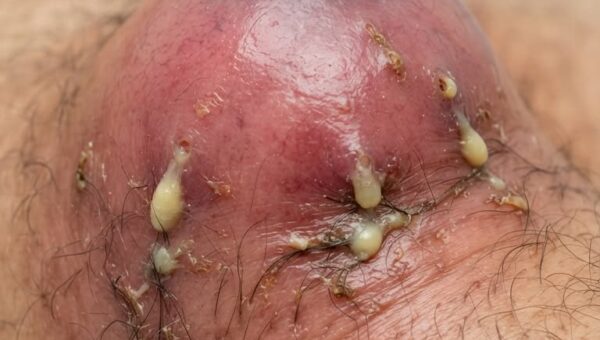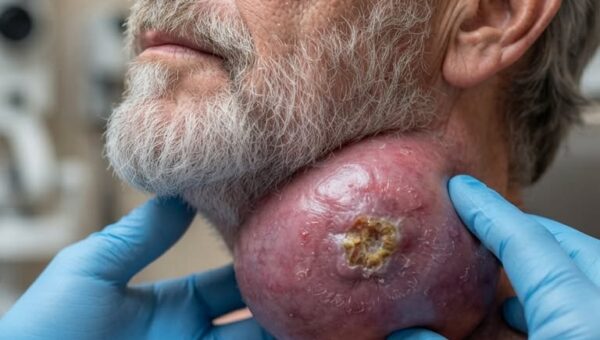
Health and acne are closely connected, and understanding the basics can help people build a simple and effective skincare routine. Acne develops when pores become blocked with excess oil, dead skin cells, and bacteria. While it is most common during the teenage years, people of all ages can experience occasional or ongoing breakouts..
Many factors may influence acne, including hormones, genetics, stress, and daily habits. Eating a balanced diet, drinking enough water, getting regular sleep, and staying physically active all contribute to overall wellness, which may support healthier-looking skin. Gentle cleansing twice a day and choosing skincare products that match your skin type can also help reduce irritation and maintain a clean complexion.
It is important to remember that acne is a common condition and that improvement often takes time. Avoid picking or squeezing blemishes because doing so may increase the chance of irritation or scarring. Consistency with healthy habits is usually more beneficial than trying many different products at once.
If acne becomes severe, painful, or continues despite regular skincare, consulting a qualified healthcare professional or dermatologist can provide personalized guidance. Understanding how skin works and caring for your overall health creates a strong foundation for managing acne. Small, steady lifestyle choices can make a meaningful difference in supporting clear, healthy-looking skin over time.